← Lottery Ball Machines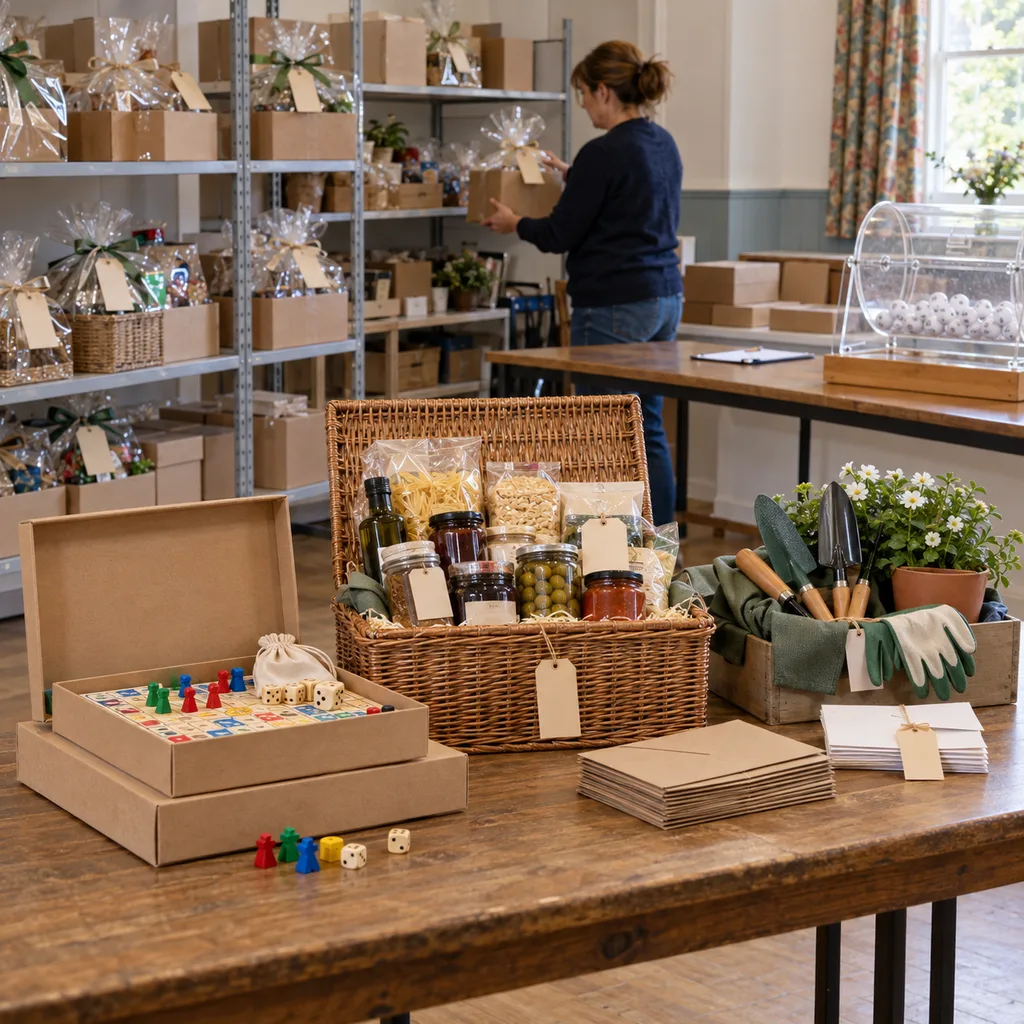
Raffle Prize Ideas That Fit Your Audience and Budget
The best raffle prize ideas match your audience and are straightforward to supply and collect. Build your shortlist around useful vouchers, relevant bundles and accessible experiences, then confirm donor commitments and fulfilment costs.
Written by Jisun Product Team
The best raffle prize ideas are prizes your audience wants and your team can actually deliver: useful shopping vouchers, local dining packages, hobby bundles and flexible experiences. We recommend choosing for audience fit first, then checking donor availability, total cost, storage and collection deadlines. A desirable prize loses its appeal when claiming it becomes difficult.
Which raffle prize ideas suit your audience?
We start with the people attending, the event's purpose and what a useful prize looks like in their daily lives. A family fundraiser might shortlist grocery vouchers, board games and flexible family outings. An employee event could offer a choice of dining, hobby or home essentials packages. For a specialist club, equipment connected to the shared interest may fit better than a general luxury item. Ask a simple question: would someone want this without buying extra accessories, arranging travel or paying an upgrade? Keep the shortlist broad enough to include different interests. The ideas below are planning examples; availability and suitability depend on your audience and suppliers.
| Audience or interest | Prize ideas | Check before committing |
|---|---|---|
| Families | Board-game bundle, bookstore voucher, flexible attraction pass | Age suitability, admission coverage and booking restrictions |
| Employees | Dining voucher, home essentials bundle, hobby-store credit | Location coverage and useful redemption hours |
| Food enthusiasts | Pantry hamper, cooking class, restaurant package | Ingredients, dietary alternatives and reservation terms |
| Sports or hobby groups | Relevant accessories, shop credit, lesson package | Equipment compatibility and accessibility |
| Mixed community audience | Shopping voucher, garden bundle, winner-choice package | Transport, storage and availability of alternatives |
Should you choose one headline prize or several smaller prizes?
We recommend deciding how widely you want to distribute prizes before committing most of the budget to a single item. A headline prize gives the display a clear focal point, but several modest prizes can serve a wider mix of interests. Neither structure guarantees participation or fundraising income. Consider the work involved, too. Every separate prize needs an inventory record, secure storage and a collection arrangement. A hypothetical modest-budget plan could combine a donated headline experience with purchased shopping vouchers and a themed bundle. Treat that as an example, not a spending formula. If your team has limited storage or collection time, fewer well-chosen prizes may be easier to fulfil than a long list of miscellaneous donations.
Which donated prizes are worth accepting?
We would accept a donation when its usefulness and fulfilment conditions are clear. A restaurant package needs an agreed inclusion list; a hotel stay needs booking conditions; a physical item needs a delivery commitment. An enthusiastic offer is a starting point. Before advertising it, record the donor contact, exact prize, quantity, availability date, restrictions and who will supply it to the winner. Ask what happens if the original item becomes unavailable. Avoid building the headline offer around an uncertain donation. We also suggest checking whether the donor expects collection from their premises or delivery to the event. That small detail can turn an apparently convenient donation into another transport job for your team.
How can you compare prize costs without relying on retail value?
We compare the cash needed to fulfil each prize, rather than treating a stated retail value as money available to the event. A donated bulky item may still require transport, storage and delivery. An experience may exclude travel or require a companion to buy admission. Write down the purchase cost, packaging, delivery responsibility and any unavoidable winner expenses before approving the shortlist. Keep an explicit allowance for fulfilment instead of spending the entire available budget on the prize itself. For a hypothetical budget comparison, weigh a locally collected hamper against a voucher delivered directly to the winner, including the work each creates. We don't attach revenue forecasts to either choice; the useful comparison is what you must spend and manage.
What makes a raffle prize accessible and easy to use?
We look for prizes that allow reasonable choice and don't depend on one narrow set of circumstances. A fixed-date activity can exclude people with work or caring commitments. A distant experience may require transport the winner cannot arrange. Food bundles need clear ingredient information, while clothing and hobby equipment can introduce size or compatibility problems. Where possible, agree a comparable alternative before promoting the prize and explain that choice in the description. A flexible shopping voucher or an alternative activity may be more useful than an expensive package with restrictive conditions. Don't promise a cash exchange unless that arrangement already exists. Accessibility also includes collection: offer a workable handover arrangement for someone who cannot carry a large prize away.
How should you organise prize storage and collection?
We recommend creating the collection plan while selecting prizes. A prize inventory is a record linking each prize to its contents, availability, storage location and handover status. Give every prize a distinct identifier and keep physical items separate from display props or empty presentation boxes. Store vouchers securely and track expiry dates without exposing redemption codes on public displays. For food, establish suitable storage and collection arrangements before accepting the donation. Set and publish a collection deadline, location, contact route and arrangements for bulky items. Record the handover when the winner receives the prize. If something remains unclaimed, follow the terms established for the event; don't improvise a new deadline or disposal arrangement at the collection desk.
What belongs in the public prize description?
We would write each description so the eventual winner knows exactly what they receive and how to use it. Name the item or package, its contents, any choice offered, booking or expiry conditions, collection method and collection deadline. Describe a voucher as a voucher rather than implying a complete outing when transport, meals or companion admission are excluded. If a donor has supplied only part of a bundle, identify which items are included. Keep photographs consistent with the actual offer, especially when props appear around a hamper. Clear descriptions also help your team answer questions consistently. Before publishing the shortlist, compare every description against the inventory and the donor's commitment so that attractive presentation doesn't accidentally expand the promised prize.
When is buying a lottery ball machine worthwhile?
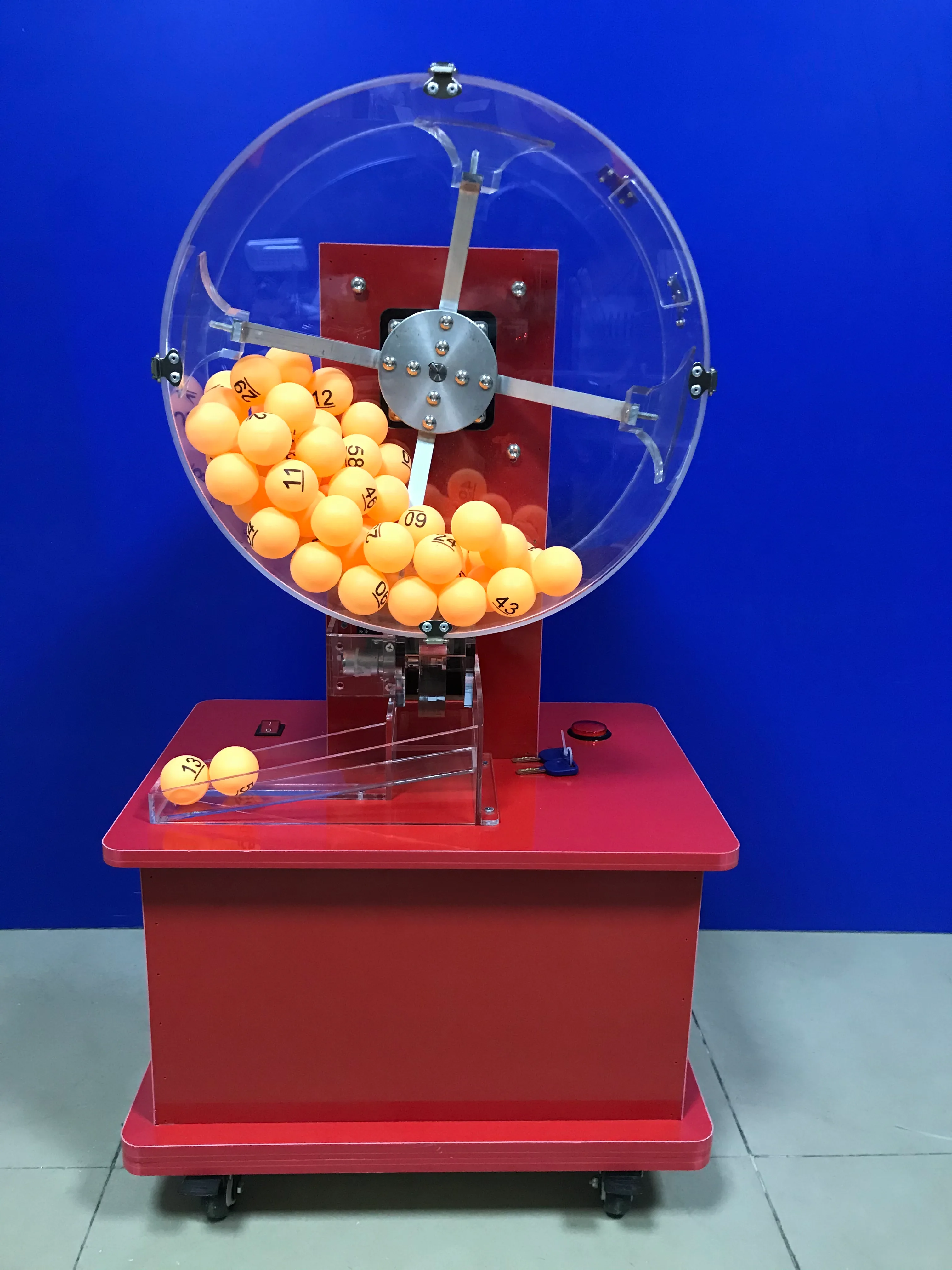
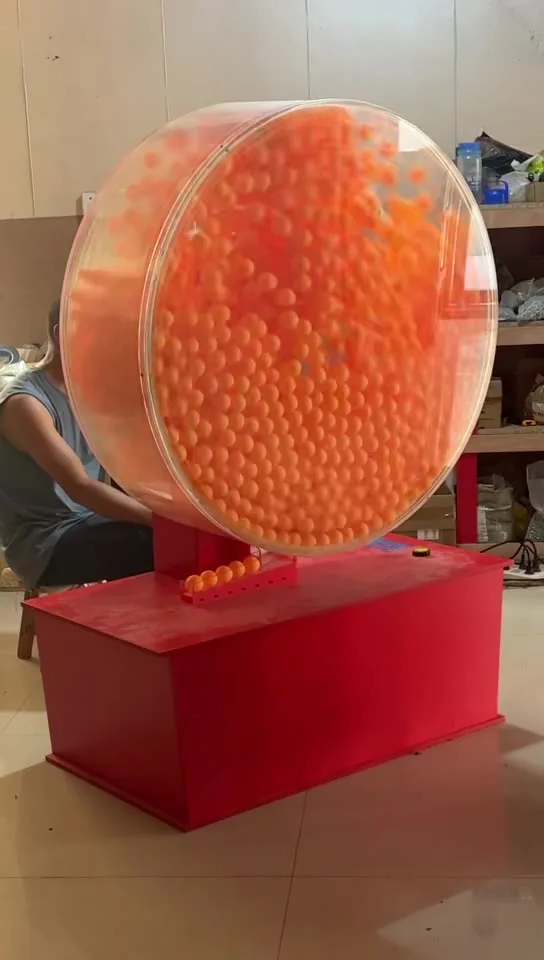
We suggest considering equipment after the prize and fulfilment plan is settled. A lottery ball machine is equipment that mixes physical balls and presents selected balls as draw results. For an occasional small event, a simple manual selection arrangement may suffice. For repeated numbered-ball events, compare our Lottery Ball Machines against your selection pool and workflow. Prepare and reconcile the numbered pool, present the selection visibly, verify the result against the entry record, and define retention and reset. Independent digit draws create number positions; common-pool selections choose from one shared set. Match that distinction to your rules. Numbered-ball equipment isn't interchangeable with a paper-ticket drum.
| Equipment | Supplied working-ball range |
|---|---|
| 50-Ball Tabletop Lottery Draw Machine (50NE) | 3–50 pieces |
| 100-Ball Tabletop Lottery Draw Machine (100-Ball Tabletop) | 10–100 pieces |
For equipment purchase or a custom design proposal, send us your audience, operating frequency, ball count and diameter, draw workflow, available size, controls and installation details, then request a quote.
Equipment Discussed in This Guide
Use the model photos, available demonstrations and specification sheets to check the equipment discussed above. Specifications apply to each named model.
100-Ball Tabletop Lottery Draw Machine
Model: 100-Ball Tabletop
Frequently Asked Questions
- What can replace a prize that only appeals to a narrow interest?
- Consider a winner-choice package or relevant shop credit. Agree the available choices before advertising so the alternative remains straightforward to supply.
- How should we handle a donation that hasn't been confirmed?
- Keep it off the advertised prize list until the donor has committed to the exact contents, availability and fulfilment conditions. An uncertain offer shouldn't anchor the headline prize.
- Is a donated bulky item always cheaper than a purchased voucher?
- Compare the full fulfilment cost. Transport, storage, packaging and delivery can make a donated physical item more demanding than a purchased voucher.
- What should a restaurant prize description include?
- State what the package covers, booking restrictions, expiry conditions and any excluded costs. The winner should be able to distinguish a dining voucher from a complete meal package.
- Should voucher redemption codes appear on the prize display?
- Keep redemption codes out of public displays. Record the voucher securely in the prize inventory and track its expiry and handover.
Related Buying Guides
Automatic vs Interactive Lottery Draw Machine
A practical buyer guide for choosing automatic or interactive operation on a physical lottery draw machine. Covers workflow, timing, result verification, screens, consoles, and quotation inputs for Jisun custom builds.
High-Capacity & 50,000-Ticket Draws: Single Large-Pool Ball Machine vs Multi-Digit Pick System
Use a large single-pool ball machine when you have 100 to 2,000 entries and want every ticket mapped to one physical ball without replacement. Once entries pass 2,000—such as 5,000 to 50,000 competition tickets—switch to a multi-digit chamber machine with a pre-published valid-range and redraw rule.
Air-Mix vs Mechanical Lottery Machines: Comparing Capacity, Ball Type, Power and Draw Workflow
Air-mix lottery machines use airflow in transparent chambers for fast 10–200 ball draws and multi-cylinder digit games. Mechanical rotating-arm machines tumble 50 to 2,000 solid or ping-pong balls at lower motor wattage when large single pools and open front viewing matter most.