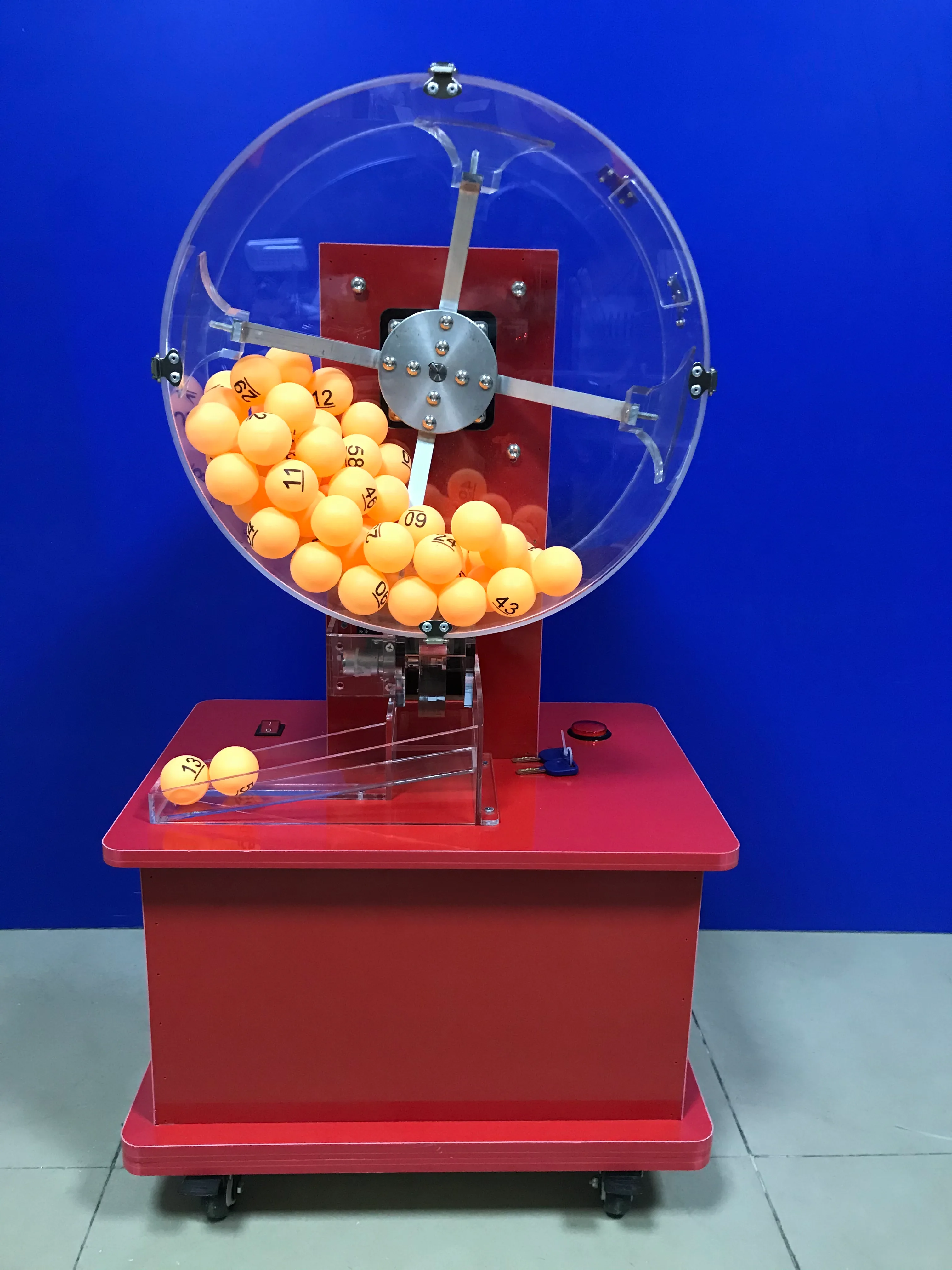
Red-base tabletop lottery draw machine front view
The front view shows the mixing arms, numbered balls, transparent outlet path, keyed access, push button, and caster-mounted base.
Lottery Ball & Draw Machines
50-Ball Tabletop Lottery Draw Machine
Model: 50NE
- Compact tabletop lottery draw machine for smaller raffle and event prize draw scenarios
- Supports 3-50 working balls for simple lucky draw formats
- Stirring-type ball mixing for a visible physical selection process
- Suitable for retail promotions, mall counters, and fundraising draw activities
Technical Details
Key Specifications
| Width | 45 cm |
| Height | 60 cm |
| Draw method | Stirring type |
| Product model | 50-ball tabletop electric lottery machine |
| Working balls | 3-50 pieces |
Best Use Cases
OEM Options
- Custom cabinet color, logo panels, and event artwork
- Numbered ball sets matched to the buyer's draw format
- Voltage and plug configuration for the destination market
- Air-mix or mechanical stirring presentation by model requirement
- Export packing for wholesale and project shipments
Shipping & Warranty
Our usual production schedule and commercial terms are outlined below. Final MOQ, schedule, freight term, and warranty coverage are confirmed in the quotation or proforma invoice for your order.
- MOQ
- 1 unit (sample order accepted)
- Confirmed for this product.
- Production Lead Time
- 7-15 working days typical
- Production usually takes 7-15 working days after deposit and final specification confirmation. Shipping time is additional; the final schedule is confirmed in the quotation.
- Shipping
- EXW / FOB / CFR / CIF
- Machines are usually shipped by sea freight as LCL or FCL; air freight is mainly for urgent parts or small shipments.
- Warranty
- 12 months standard
- Typical coverage is for manufacturing defects under normal use, with technical support and spare parts available after delivery.
Certifications & Compliance
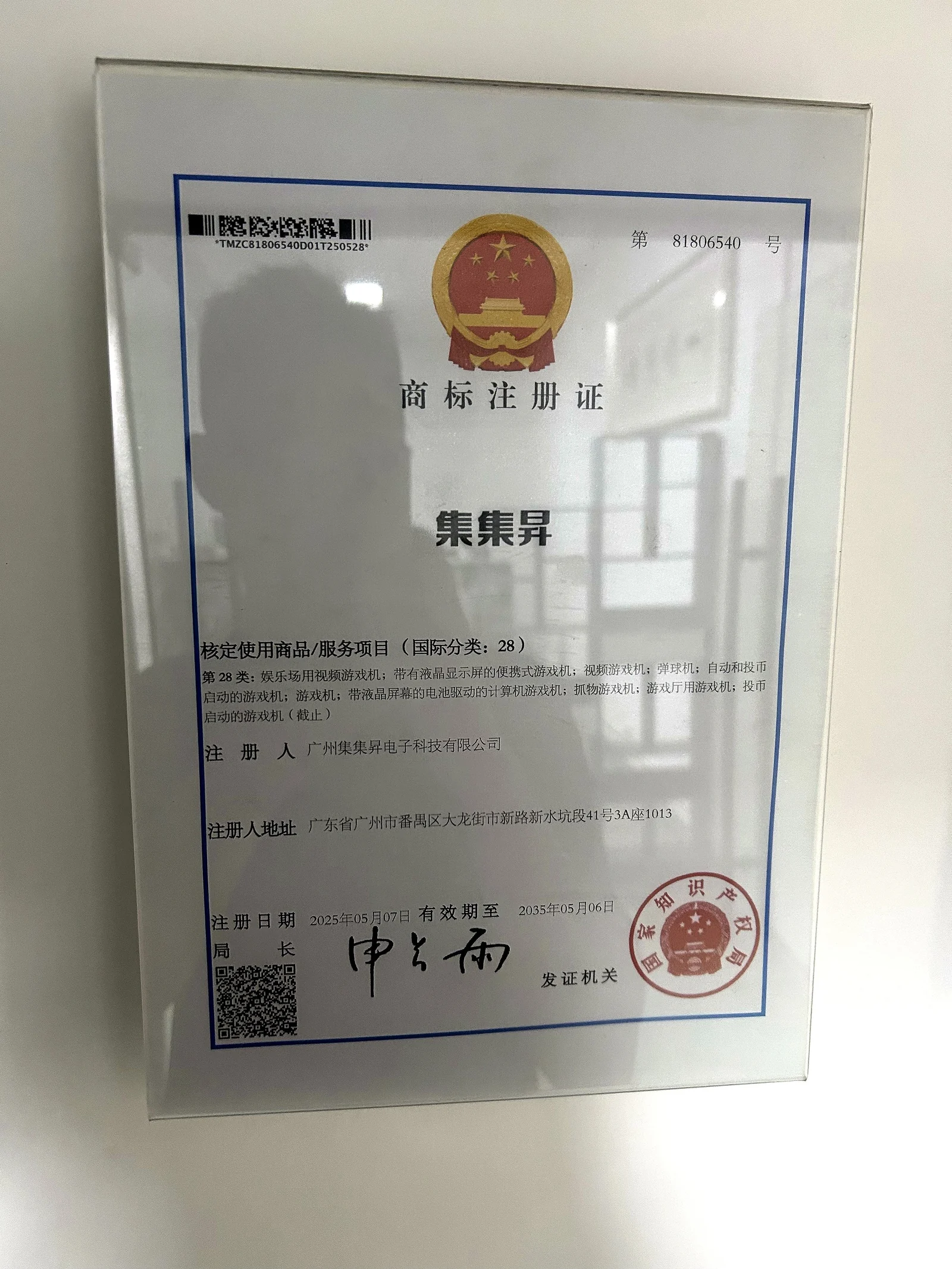
China Trademark Registration - JIJISHENG
China National Intellectual Property Administration
No. 81806540
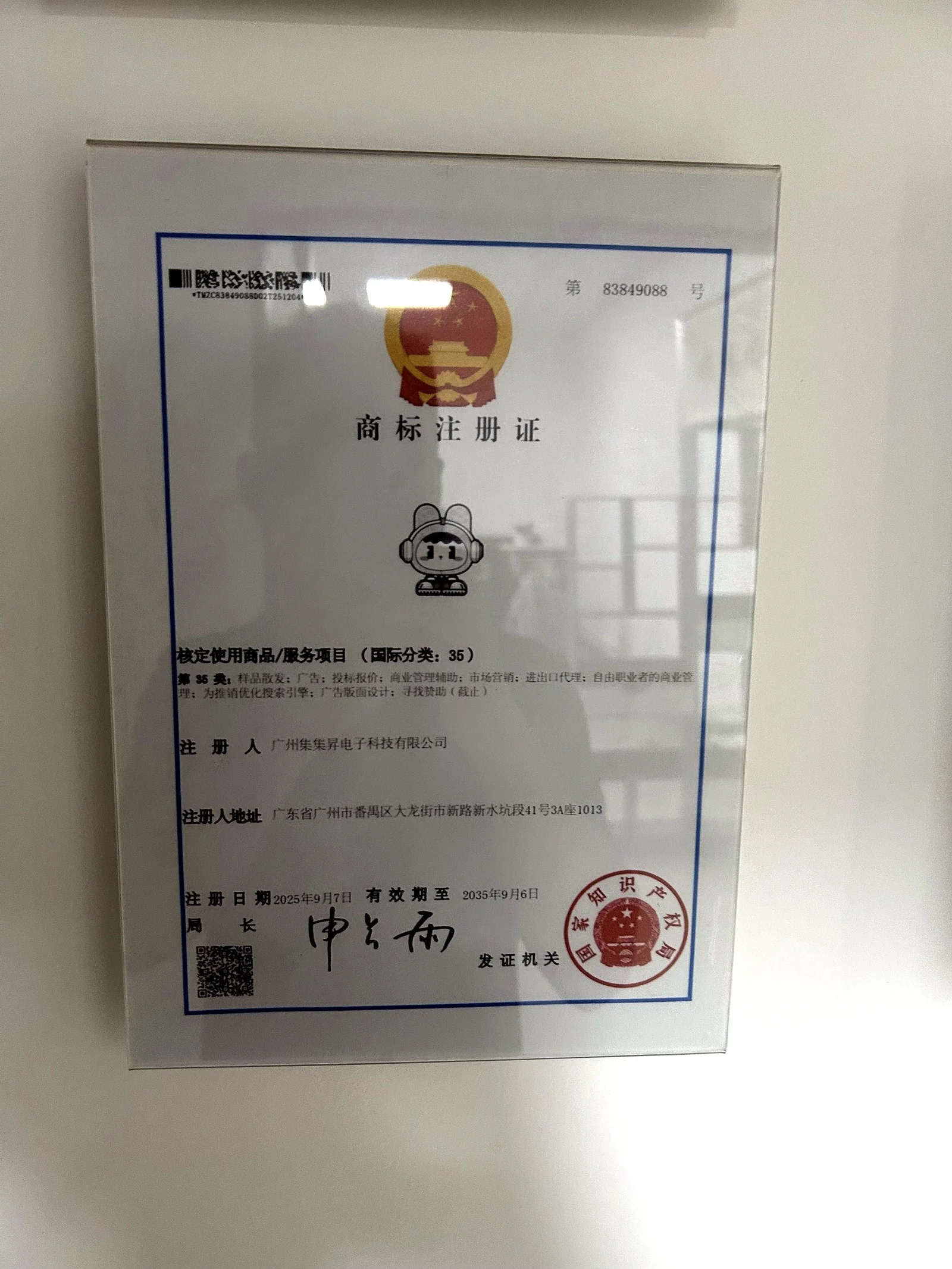
China Trademark Registration - Mascot Device Mark
China National Intellectual Property Administration
No. 88849088
Full Overview
Product Details
The 50-Ball Tabletop Lottery Draw Machine is the compact option in this tabletop range. It is designed for physical draws using 3 to 50 balls, making it practical for short number lists, retail counter promotions, fundraising draws, and event booths with limited display space.
The recorded mixing method is mechanical stirring. Its listed dimensions are 45 cm wide and 60 cm high, which makes it smaller than the 100-ball tabletop model. The clear chamber keeps the moving balls visible while the result is selected.
Choose this model when the draw never needs more than 50 balls and counter space is a primary constraint. Before ordering, check the counter height, audience sightline, available power, and the routine for loading and collecting the numbered balls.
Project options can include the numbered ball set, cabinet color, logo or campaign artwork, destination plug and voltage, and export packing. Provide the actual draw format so the ball quantity can be confirmed with the quotation.
This is a physical draw device, not ticketing, payment, or prize-payout software. The operator is responsible for applicable local rules.
Planning a small numbered raffle
The 3-50 ball working range can cover a short numbered pool without loading the maximum 50 balls. Choose the actual number range before preparing tickets or entry records. Determine how selected balls will be collected and kept out of the pool when repeat winners are not allowed.
Choosing between the two tabletop sizes
This unit is 45 cm wide and 60 cm high. The 10-100 ball tabletop unit increases the listed width to 54 cm and height to 75 cm. Choose the larger unit when the physical pool needs more than 50 balls. Neither listing specifies depth or weight, so obtain the order drawing and support requirements before choosing a counter.
Ball set and operating sequence
Mechanical stirring is the listed mixing method. Ball diameter, material, selection timing and return behavior are not specified in the available record. Define those requirements in the quote rather than assuming that any 50-ball set will work. For a documented 40 mm ping pong ball set and a 10-second ball cycle, compare the air-blown P350 configuration.
Compare the lottery ball machine configurations and send the selected model, draw rules, quantity and destination through the configuration inquiry form.
Current Production Reference
What Our Recent Factory Media Shows
These notes describe the real factory photos and clips shown in the product gallery, so buyers can compare visible components, cabinet presentation, and operating condition before requesting a quote.
Red-base tabletop lottery draw machine front view
The front view shows the mixing arms, numbered balls, transparent outlet path, keyed access, push button, and caster-mounted base.
Red-base tabletop lottery draw machine side view
The side angle exposes the clear drum depth, manual access latches, lower ball outlet, control button, and wheeled red cabinet.
Buyer Questions
Frequently Asked Questions
- Can the compact tabletop machine work with only a few balls?
- Its specified working range is 3-50 balls. Give the exact numbered pool in your order and establish how selected balls will be kept or returned during your draw.
- When should I choose the 100-ball tabletop model instead?
- Choose the larger tabletop configuration when your required physical pool exceeds 50 balls. The smaller machine is 45 cm wide and 60 cm high; the 100-ball unit is 54 cm wide and 75 cm high. Confirm depth and loading space for either counter installation.
- Does the 50-ball tabletop model include a timed automatic draw?
- The existing record specifies mechanical stirring but gives no draw cycle or automatic release sequence. Describe the required operator actions and interval in your inquiry so that any control customization can be quoted explicitly.
- Which ball and power details are needed for a compact raffle unit?
- Send the number range, intended 3-50 ball quantity, destination voltage and frequency, plus the counter space. Ask the order specification to define compatible ball diameter, material and the result collection arrangement.
Local compliance required; the operator is responsible for licensing and local regulations.