← Lottery Ball Machines
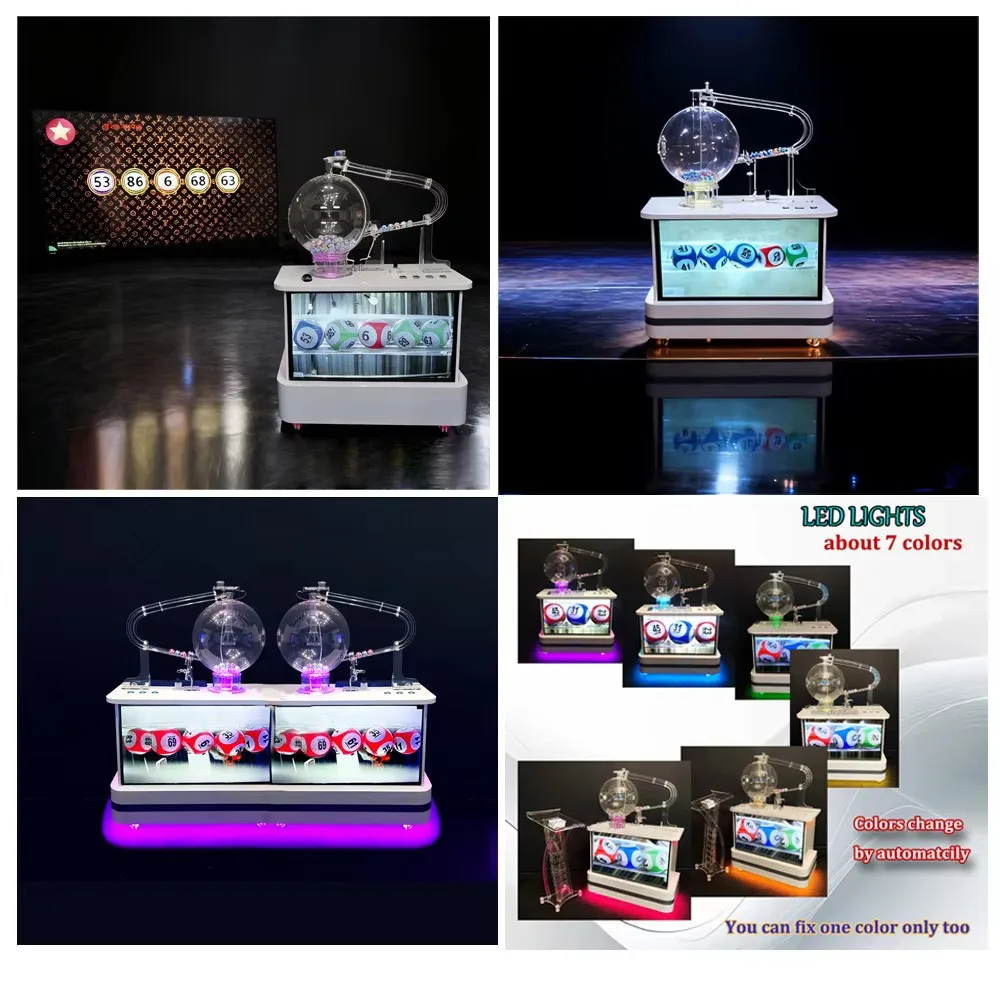
Automatic vs Interactive Lottery Draw Machine
A practical buyer guide for choosing automatic or interactive operation on a physical lottery draw machine. Covers workflow, timing, result verification, screens, consoles, and quotation inputs for Jisun custom builds.
Written by Jisun Product Team
Choose automatic operation when your draw needs repeated timing, set intervals and predictable sequencing. Choose interactive operation when a host must trigger each moment in front of an audience. In our factory, we treat this as a workflow decision first: what pool is loaded, who starts the draw, how results are confirmed, and how quickly the machine resets.
Which buyer should compare automatic and interactive lottery draw machine modes?
A procurement manager, draw operations manager or studio producer should compare these modes before asking for a lottery draw machine quotation. The mode affects the control position, timing settings, screen layout, operator training and acceptance check. A lottery draw machine is a physical numbered-ball machine that mixes a defined ball pool and presents selected balls for visible confirmation. It is not a paper-ticket raffle drum, a capsule dispenser or software random-number picker. If the draw is small, informal and does not need visible ball mixing, a simple manual method may be enough. When spectators, cameras or repeated prize rounds matter, a physical machine gives the audience something concrete to watch.
What does automatic operation actually control?
Automatic operation controls the draw sequence settings; it does not mean the buyer should assume unattended public operation. A microprocessor is an electronic controller that follows configured timing and selection instructions inside the machine. On the 1P800V Large Automatic RFID Lottery Machine, automatic mode is documented as controlling mixing duration, number of balls selected and the interval between selections. The 1P420V Air-Mix Lucky Draw Machine also documents automatic mode using a microprocessor to set mixing time, ball count and interval between picks, with interactive mode built in. For quotation, we ask buyers to define the round structure, not just say “automatic.”
| Automatic setting | Why it matters in purchasing |
|---|---|
| Mixing duration | Helps standardize how long the balls move before selection. |
| Number of balls selected | Matches the prize round, digit game or winner count. |
| Interval between selections | Controls pacing for audiences, screens and host announcements. |
When is interactive or host-operated control the better choice?
Interactive control is better when the host, presenter or operator must decide when each visible moment happens. Interactive mode is a host-operated control workflow where a person triggers the draw or sequence through buttons, a console or another approved control interface. This suits annual dinners, retail promotions, livestream prize rounds and staged reveal formats where timing follows the room, not only a preset program. The YP600 is documented with two operation modes, automatic mode and interactive mode, and it includes a separate transparent acrylic console with a push-button control box. For Pick 3 workflows, the 3D-V1 ships with a separate illuminated clear acrylic console stand carrying a two-button control box, which keeps the operator position distinct from the main cabinet.
How should automatic versus host-operated mode change the machine layout?
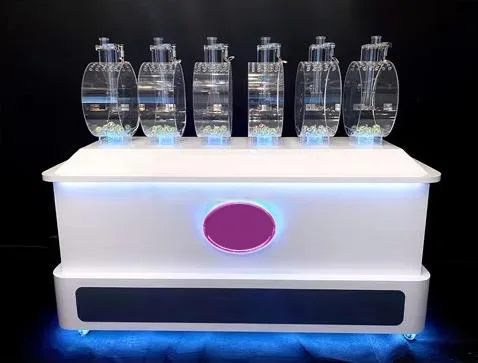
Mode choice should influence where controls, displays and result positions sit. A host-operated draw often benefits from a separate console so the presenter can face the audience while the machine remains in camera view. Automatic operation may place more emphasis on readable status, front screens and repeatable result display. For buyers comparing models, start from the lottery draw machine manufacturer category, then move into the model that matches your draw format. A six-position digit game may need a multi-chamber cabinet such as the 6P350 Six-Cylinder Lotto Drawing Machine, while a single-pool draw may point toward a 50-ball or larger single-chamber machine.
What should the audience see during each mode?
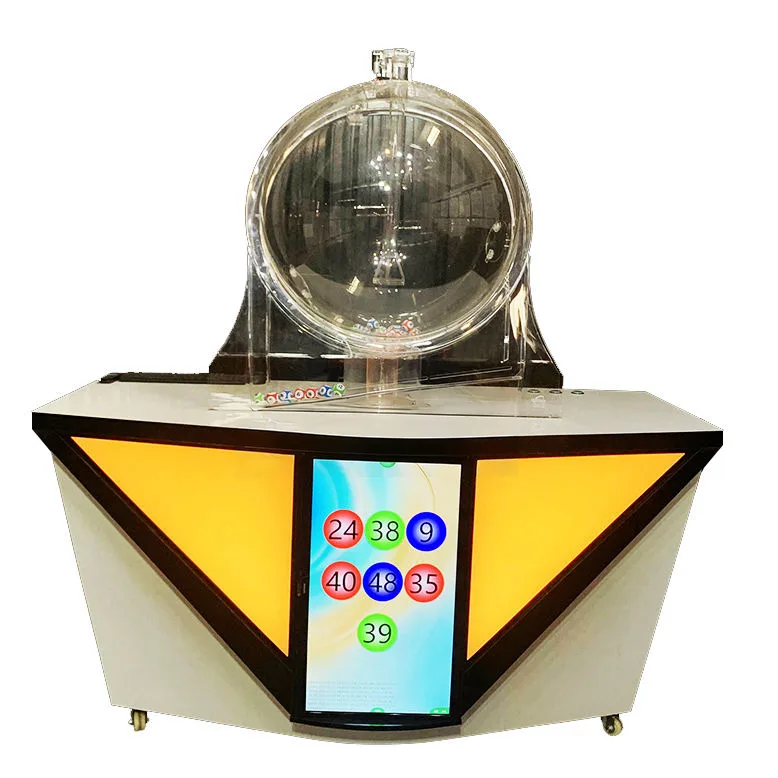
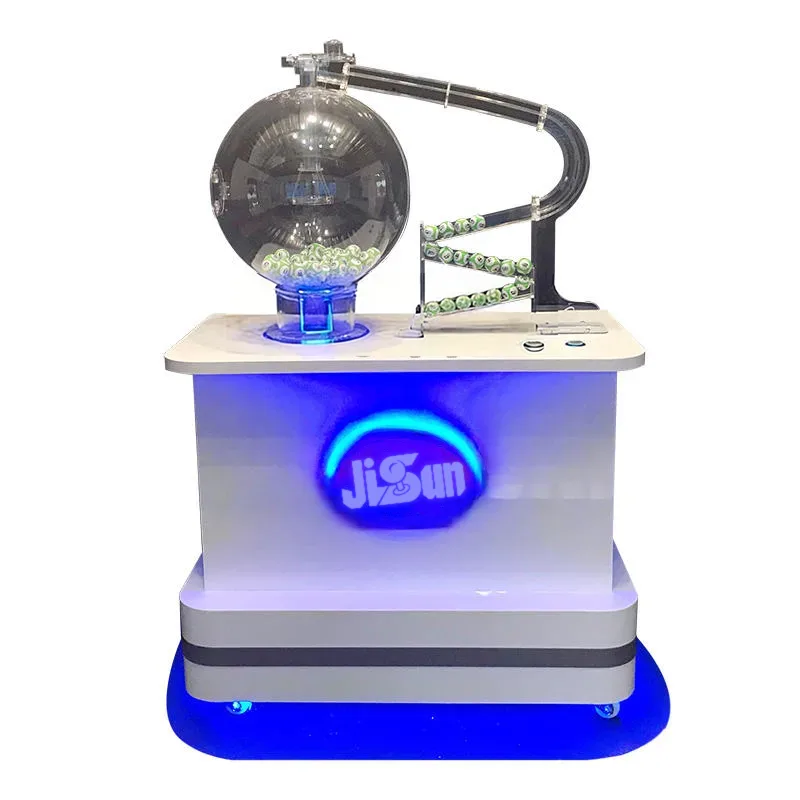
The audience should see preparation, mixing, selection, result confirmation and reset in a way that matches the game rules. Visible mixing is useful, but it is not the same as certified randomness or government-lottery approval. On the 1P800V, Jisun documents an oversized transparent acrylic sphere, a green exit port at the base and a front transparent ball track that carries drawn balls downward. The embedded vertical front display shows drawn numbers as large colored circles. For the 1P420V short-result configuration, the curved track and front display keep selected results visible. Specify when those balls are retained and returned; the visible path alone does not establish automatic reset. Those details help buyers discuss camera angles, result reading and reset, without turning a mode comparison into an unsupported compliance claim.
What facts should we use when comparing real Jisun models?
Use model-specific facts only for the named model. We do not spread one machine's function across the whole catalog. For example, the 6P350 runs 120 working balls in total, with 20 balls in each of six clear cylinders, and all draw functions are microprocessor-controlled with adjustable mixing duration and per-selection intervals. The 1P420V Air-Mix Lottery Machine with Custom LED Logo is a 500W air-mix unit working with 3-20 balls per draw and completing a ball draw in 15 seconds. The 1P800V is documented as operating in both automatic and interactive operation modes. These details are useful quotation inputs, but they still need to be matched to the buyer's actual ball pool, winner count and display requirement.
How should a buyer specify automatic or interactive mode for a quotation?
Send us the draw rule, not only the keyword. We need the ball pool size, number of balls drawn per round, whether balls return before the next selection, whether chambers draw one by one or together, and who presses the control. Tell us if the host stands beside the machine, behind a console or outside the main camera frame. Include display needs: front screen, external screen, per-chamber display or RFID reading if required. Also tell us the electrical version and room constraints when known. For acrylic cabinets, cleaning is simple but specific: several models require only a damp soft cloth, and sharp tools must stay away because scratches cannot be repaired.
What should happen when automatic operation is interrupted?
Specify whether an interruption leaves a result pending, cancels an unstarted selection or requires an operator to reset the sequence. Do not switch from automatic to host-operated mode silently during a paid or public round. Test repeated start inputs, loss of the control connection and a restart after a result has been selected but not confirmed. The screen or console should identify the current state before another draw begins. To request a quote, send the desired mode, timing script, operator authority and interruption cases so Jisun can compare the selected model with a complete operating brief.
For a staffed promotion, compare the raffle ball machine workflows before choosing automatic release or participant hand selection. Plan the winning-number check and reset alongside the cabinet.
Ready to compare microprocessor-controlled systems and electronic ball recognition? Browse our RFID & automatic lottery draw machines with external LCDs, hands-free return and remote-console options.
Equipment Discussed in This Guide
Use the model photos, available demonstrations and specification sheets to check the equipment discussed above. Specifications apply to each named model.
Frequently Asked Questions
- Can one lottery draw machine include both automatic and interactive modes?
- Yes, some documented Jisun models include both. The 1P800V operates in automatic and interactive modes, and the 1P420V Air-Mix Lucky Draw Machine also documents automatic mode with interactive mode built in.
- Does automatic mode mean the lottery machine can run without an operator?
- No. In this article, automatic mode means configured draw settings such as mixing time, ball count and intervals. Buyers should still define supervision, confirmation and reset workflow for their operation.
- Why does host-operated control matter for a public draw?
- Host-operated control lets a presenter trigger the draw at the right audience moment. That is useful for staged prize rounds, livestream shots and events where the announcement pace changes in real time.
- Should the control mode be chosen before screen and console layout?
- Yes. Automatic and interactive workflows affect where the operator stands, whether a separate console is useful, and how the result should appear on the cabinet or external display.
Related Buying Guides
High-Capacity & 50,000-Ticket Draws: Single Large-Pool Ball Machine vs Multi-Digit Pick System
Use a large single-pool ball machine when you have 100 to 2,000 entries and want every ticket mapped to one physical ball without replacement. Once entries pass 2,000—such as 5,000 to 50,000 competition tickets—switch to a multi-digit chamber machine with a pre-published valid-range and redraw rule.
Air-Mix vs Mechanical Lottery Machines: Comparing Capacity, Ball Type, Power and Draw Workflow
Air-mix lottery machines use airflow in transparent chambers for fast 10–200 ball draws and multi-cylinder digit games. Mechanical rotating-arm machines tumble 50 to 2,000 solid or ping-pong balls at lower motor wattage when large single pools and open front viewing matter most.
Raffle Drum vs Ball Machine: Which Should You Buy?
Choose a paper-ticket raffle drum when you want to draw submitted entries directly. Choose a numbered-ball machine when your workflow uses a defined number pool, repeat draws and a clear link between each selected number and an eligible entry.