← Lottery Ball Machines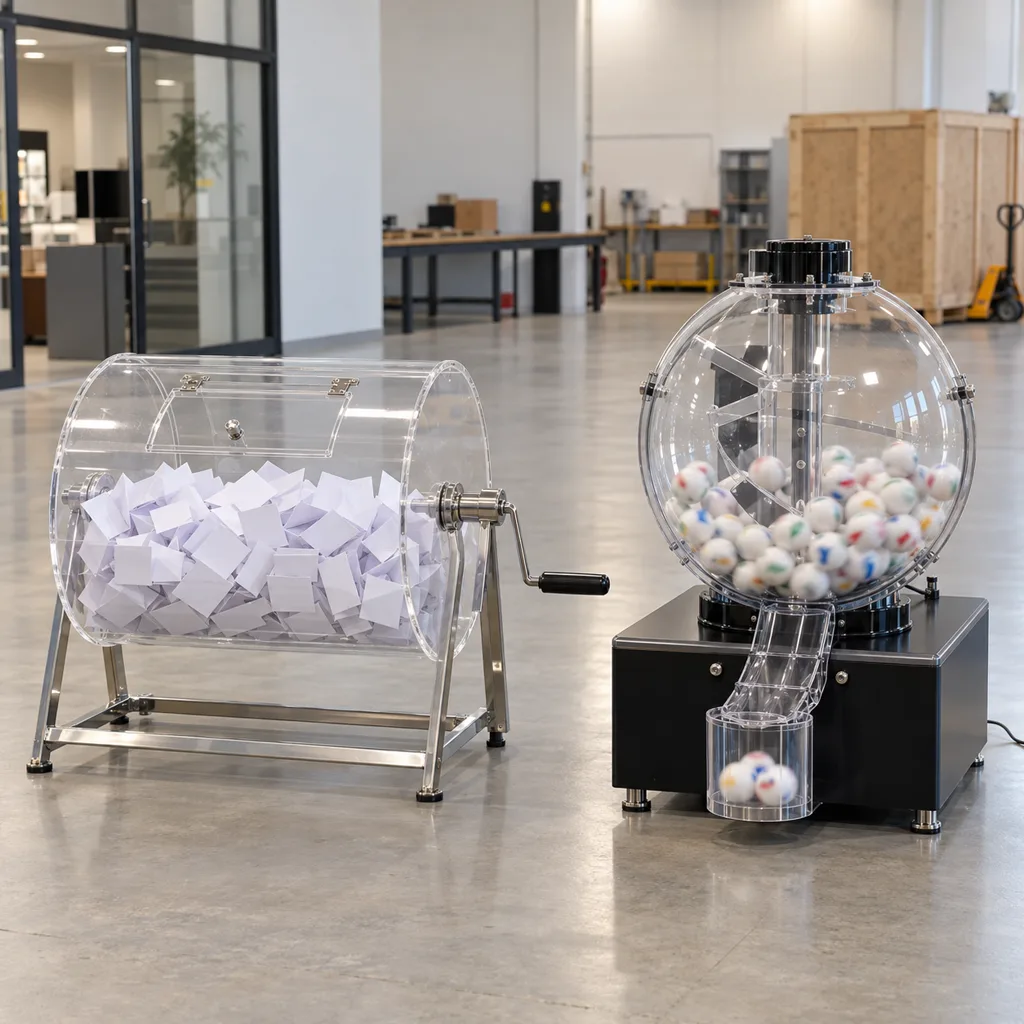
Raffle Drum vs Ball Machine: Which Should You Buy?
Choose a paper-ticket raffle drum when you want to draw submitted entries directly. Choose a numbered-ball machine when your workflow uses a defined number pool, repeat draws and a clear link between each selected number and an eligible entry.
Written by Jisun Product Team
Choose a paper-ticket raffle drum when you want to select directly from submitted entries. Choose a numbered-ball machine when you need a reusable number pool and a visible number-selection process. When buyers ask us about raffle drum vs ball machine purchases, we start with the entry format, draw frequency and winner-recording workflow—not the appearance of the equipment.
What actually goes into a raffle drum or ball machine?
A paper-ticket raffle drum is a rotating container used to mix paper entries before someone removes a ticket by hand. A numbered-ball machine mixes physical balls and presents selected numbers through its configured draw mechanism. The difference starts with the contents. Paper entries can carry names, serial numbers or other entry details; a ball normally carries a number that must connect to your entry records. We ask buyers to settle that connection before choosing equipment. A transparent drum shape alone doesn't identify the application: a mechanical ball machine may also have a round drum. Paper compatibility must be specified separately. Never load paper into a numbered-ball mechanism simply because its chamber looks suitable.
When is a simple paper-ticket drum sufficient?
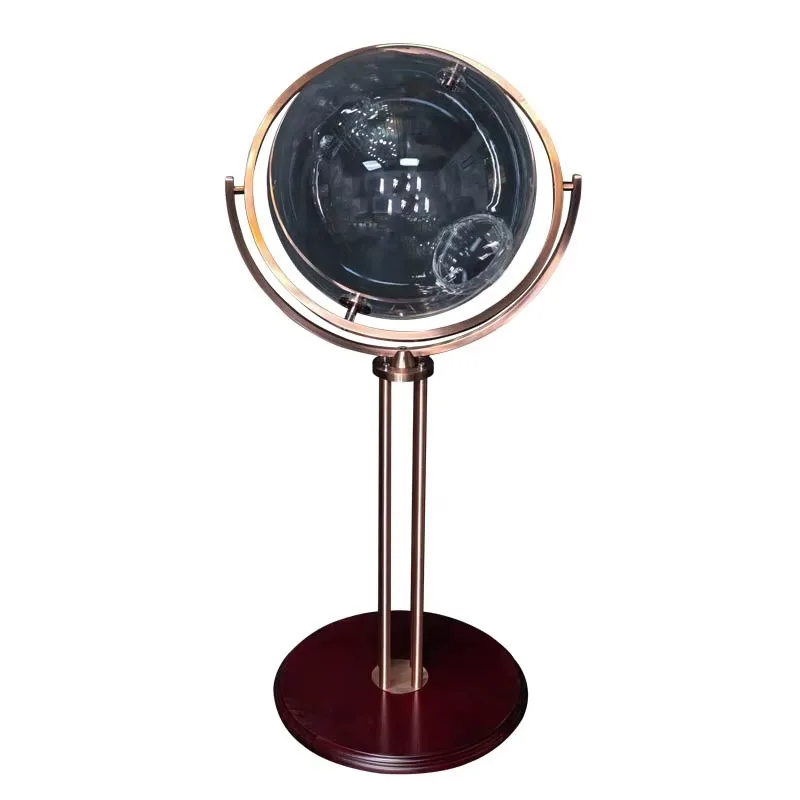
A simple ticket drum can be sufficient when your eligible entries already exist on paper, draws are occasional and the audience can follow a manual ticket reveal. There is little reason to introduce numbered balls if doing so only adds a separate entry register and another reconciliation step. Keep paper size and folding consistent, establish an entry cutoff, and decide where selected tickets will remain during the announcement. These are workflow choices rather than machine features. We also offer a related manual alternative: our Rotating Sphere Lottery Box on Stand with 400 mm Globe accepts numbered balls or paper tickets. That product rotates by hand and participants draw through its opening. It is a sphere lottery box, so buyers should distinguish it from a conventional cylindrical ticket drum.
How does entry-to-number mapping change the purchase decision?
A numbered-ball machine needs a defined selection pool and an entry register that explains what every eligible number represents. For example, a custom workflow could assign one unique ball number to each eligible entry, then freeze the register before loading the corresponding ball set. This is a proposed operating arrangement, not a supplied feature of a particular machine. Unassigned numbers should stay outside that pool. If entries change frequently, updating both the register and the physical set can become more work than loading paper tickets directly. We ask buyers to describe late entries, cancelled entries and repeat-winner rules early. Equipment capacity should follow the eligible pool—not the total audience size or the number of prizes on a table.
What should the audience see during selection and verification?
The audience should be able to understand what was loaded, see the selection process and identify the selected entry or ball before the result is recorded. With paper, the reveal depends on opening and reading the ticket clearly. With numbered balls, the operator reads the physical number and checks it against the frozen entry register. We separate these tasks when planning a draw: mixing, selection, reading and recording each need a clear place in the workflow. A transparent chamber helps people observe movement, but visible mixing does not establish certified randomness. For a distant audience, a camera view or larger result display can be discussed as a custom option. Agree on the viewing distance and lighting before deciding whether either addition serves a useful purpose.
Which documented Jisun options illustrate the difference?
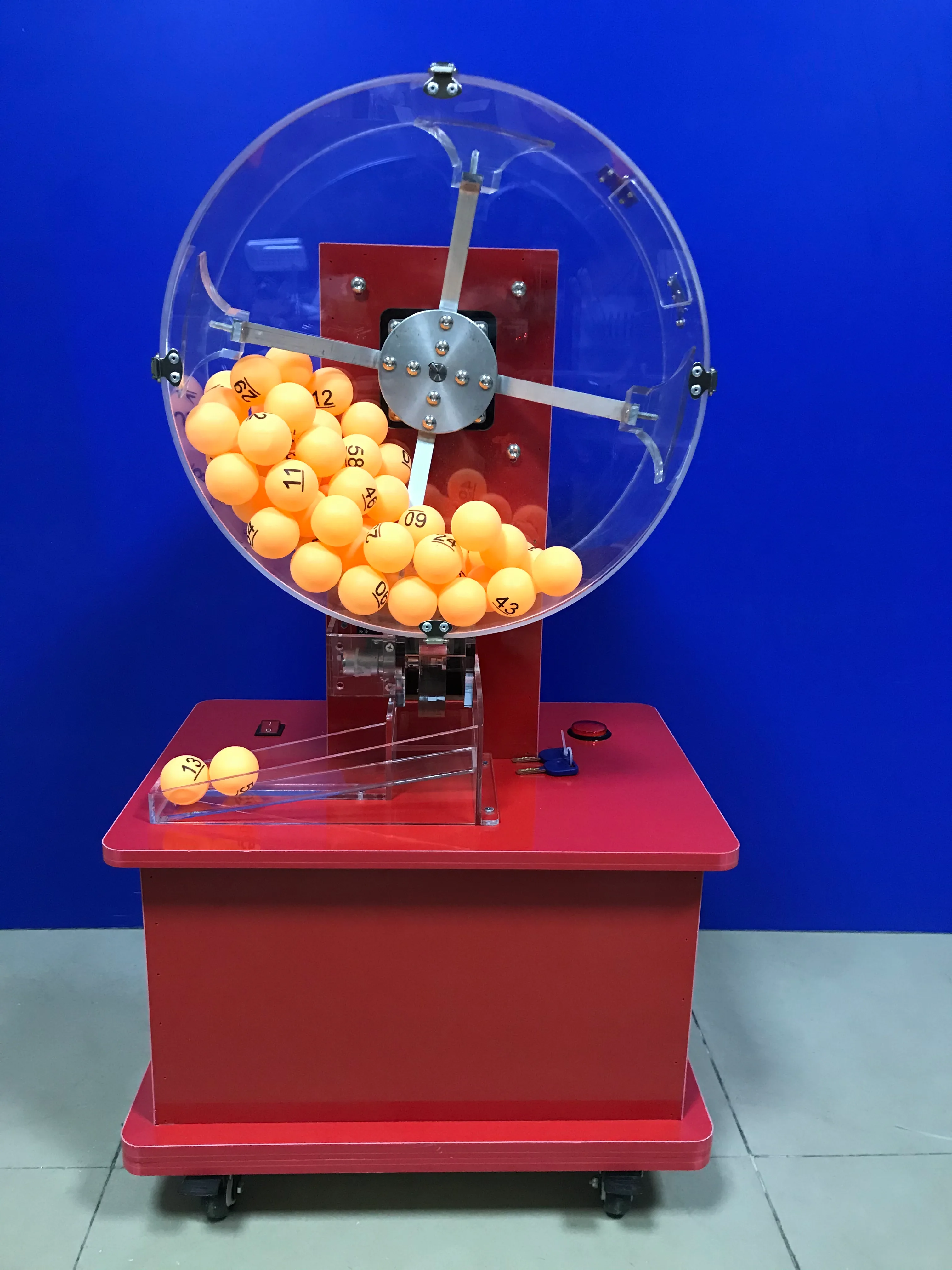
Our manual sphere box and electric tabletop ball machine illustrate two different operating approaches. The Rotating Sphere Lottery Box on Stand with 400 mm Globe supports hand selection of paper tickets or balls. The 50-Ball Tabletop Lottery Draw Machine (50NE) is documented as an electric, stirring-type numbered-ball machine. We keep their specifications separate because ticket compatibility on the sphere box does not establish ticket compatibility on 50NE. Neither product should be chosen by silhouette alone. Start with what enters the chamber and how the selected item leaves it.
Documented examples for comparing the workflows| Equipment | Supported contents or working balls | Operation and size |
|---|---|---|
| Rotating Sphere Lottery Box on Stand with 400 mm Globe | Numbered balls or paper tickets | Turned by hand; hand selection through the opening. Overall size (L × W × H): 450 × 450 × 1100 mm. |
| 50-Ball Tabletop Lottery Draw Machine (50NE) | Working balls: 3–50 pieces | Electric, stirring type. Width: 45 cm; height: 60 cm. |
How do reset rules affect repeated draws?
Reset depends on whether selected entries remain eligible for the next selection. With paper tickets, the operator can retain selected tickets outside the drum when the rules require removal. With numbered balls, the chosen equipment must support the required retention or return workflow; automatic return should never be assumed across models. A common pool means all eligible balls share one selection pool. Independent digit draws use separate pools for separate positions in a result. Those formats are different: selecting several entries from one pool is not equivalent to forming a number from separate digit chambers. We establish that distinction before recommending a cabinet. Count the whole operating sequence, too. Loading, recording, checking and resetting can matter more to repeated operation than the visible mixing portion alone.
What changes when the equipment must move between locations?
Transport planning should compare the complete setup: equipment, contents, controls, packing and the space needed to operate it. A hand-operated ticket drum avoids a powered mixing system, but its actual packed size and handling requirements still depend on the selected product. For powered ball equipment, agree on destination voltage, frequency, plug and cable routing for the ordered configuration. We also ask about doorways, lifts, storage and the surface supporting a tabletop unit. Here is an easy detail to miss: the space occupied during a draw is larger than the cabinet footprint once an operator and result-recording area are included. Protect loose contents separately during moves, and reconcile the entry or ball inventory before the next session. Casters, where specified, do not replace a freight-packing plan.
What should you include in a ball-machine purchase brief?
Send us the input format, eligible pool, ball diameter, selections per round and whether selected balls must stay out or return. Include draw frequency, audience viewing distance, available space, desired controls and installation conditions. For a custom proposal, we can discuss a compact manual workflow, powered mixing or an audience-display arrangement around those inputs. Each proposal should identify its intended configuration locally. Our Lottery Ball Machines category is the starting point for comparing numbered-ball equipment after you have decided that paper-ticket selection no longer fits the job.
Production planning for an equipment order| Stage | Usual schedule |
|---|---|
| Production | Usually 7–15 working days after deposit and final specification confirmation. |
| Shipping and final schedule | Shipping time is additional; the final schedule is confirmed in the quotation. |
Tell us how entries become eligible, how you want to reveal the result and where the equipment will operate, then request a quote for a Jisun lottery ball machine or custom draw configuration.
Equipment Discussed in This Guide
Use the model photos, available demonstrations and specification sheets to check the equipment discussed above. Specifications apply to each named model.
Frequently Asked Questions
- Can paper tickets go into an electric numbered-ball machine?
- Do not assume paper compatibility. The 50-Ball Tabletop Lottery Draw Machine (50NE) is documented for numbered balls and stirring-type operation. The Rotating Sphere Lottery Box on Stand with 400 mm Globe explicitly supports paper tickets or numbered balls with hand selection.
- Does a round transparent drum mean the equipment draws paper entries?
- No. A round transparent housing can contain a numbered-ball mixing mechanism. Identify the supported contents and selection method; the housing shape does not establish paper-ticket compatibility.
- Does switching from tickets to balls remove the need for an entry register?
- No. When ball numbers represent submitted entries, the selected number still needs a clear connection to an eligible entry. Freeze that mapping before the draw and load the matching physical pool.
- Is a separate-digit draw suitable for selecting several entries from one pool?
- These workflows differ. Separate digit pools form positions in a combined number, while a common pool selects from the same eligible set. Define the required result before choosing the chamber arrangement.
Related Buying Guides
Automatic vs Interactive Lottery Draw Machine
A practical buyer guide for choosing automatic or interactive operation on a physical lottery draw machine. Covers workflow, timing, result verification, screens, consoles, and quotation inputs for Jisun custom builds.
High-Capacity & 50,000-Ticket Draws: Single Large-Pool Ball Machine vs Multi-Digit Pick System
Use a large single-pool ball machine when you have 100 to 2,000 entries and want every ticket mapped to one physical ball without replacement. Once entries pass 2,000—such as 5,000 to 50,000 competition tickets—switch to a multi-digit chamber machine with a pre-published valid-range and redraw rule.
Air-Mix vs Mechanical Lottery Machines: Comparing Capacity, Ball Type, Power and Draw Workflow
Air-mix lottery machines use airflow in transparent chambers for fast 10–200 ball draws and multi-cylinder digit games. Mechanical rotating-arm machines tumble 50 to 2,000 solid or ping-pong balls at lower motor wattage when large single pools and open front viewing matter most.