← Lottery Ball Machines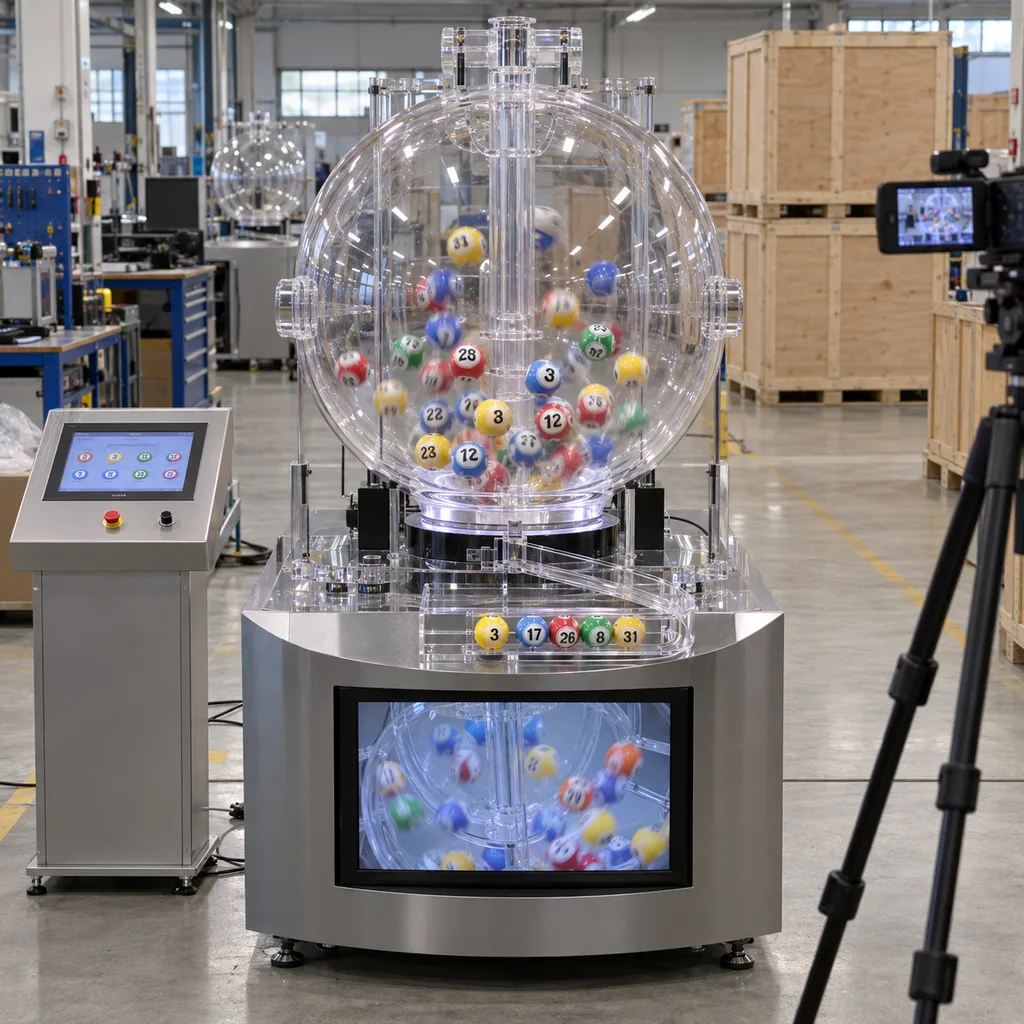
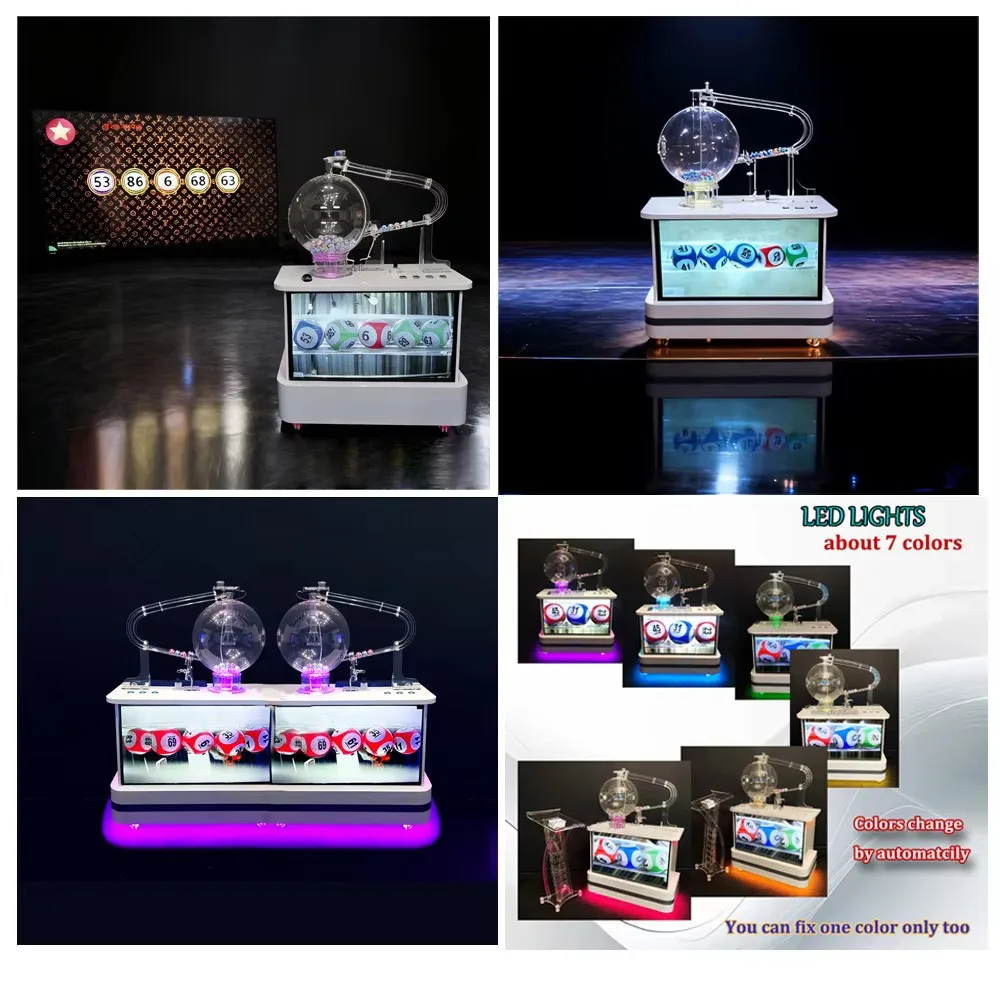
Lottery Draw Machine Demo Video Checklist
Use a lottery draw machine demonstration video to confirm the exact loading, mixing, selection, display and reset workflow before purchase. The video should support quotation decisions, not replace model-specific acceptance testing.
Written by Jisun Product Team
Before approving a lottery draw machine quote, ask for a demonstration video of the exact configuration being offered. The video should show ball loading, visible mixing, selection, result display, operator control and reset. It helps confirm workflow fit, but it does not certify randomness or replace model-specific factory acceptance.
What should procurement check first in a lottery draw machine demonstration video?
Start with the buyer's real draw format, not the cabinet appearance. A lottery draw machine is a physical device that mixes numbered balls and selects one or more results for visible confirmation. In our factory, we ask buyers to identify the selection pool, number of winners, digit format, audience viewing angle and operating frequency before reviewing any lottery drawing machine demo. A small informal prize draw may only need a manual ticket box or simple tabletop unit. A visible numbered-ball machine becomes useful when the audience must see the mixing, the result must be readable, and the operator needs a repeatable reset workflow for multiple rounds.
What loading and ball-pool details should the video prove?
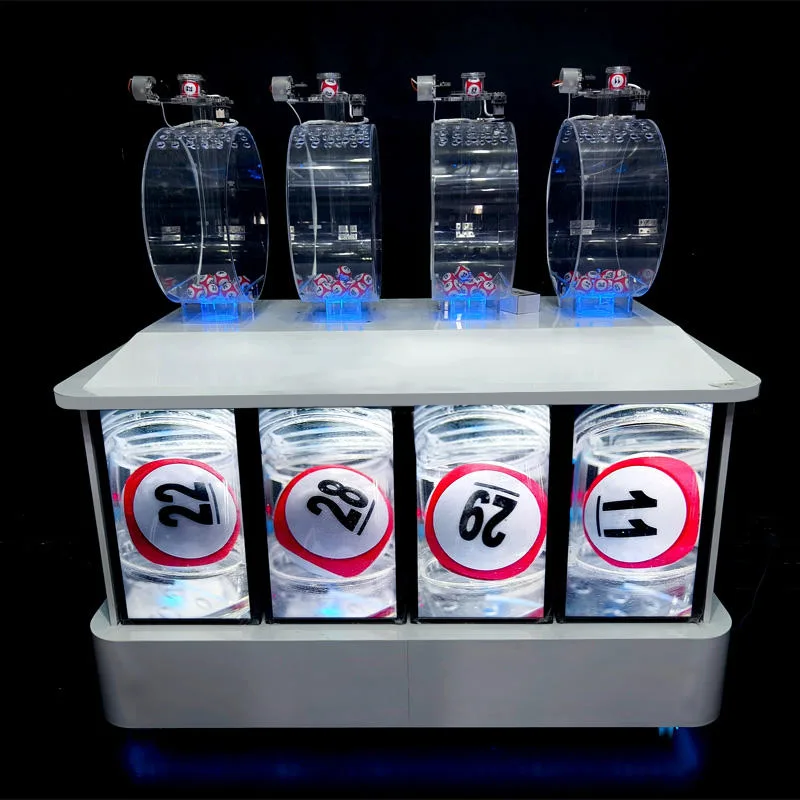
The video should show the actual ball set entering the chamber, not only a finished result. For a single-drum format, ask whether the pool is 50 balls, 49 balls, 100 balls or another configured count. For digit games, check whether each chamber represents one position. For example, the 4D-V1 Multi-Cylinder Pick 4 Lottery Machine uses four air-blown cylinders, and each cylinder holds up to 10 solid EVA balls of 4 cm diameter. That is a different purchase decision from a single 50-ball drum. The demo should make the ball population and game matrix clear before the quote is finalized.
What can a continuous mixing and selection video actually show?
Request one sequence that keeps loading, mixing, exit, physical result and reset understandable to the reviewer. A transparent tube can aid visibility, but a viewing angle may still hide part of the path. Do not claim that a ball never leaves sight unless the specific recording demonstrates that coverage. Ask for an additional view when the exit or return path is obscured. Match the machine identity and configuration to the offer and note any edits in the recording. The video helps assess workflow and visibility; it does not prove equal outcome probabilities or certify the machine for regulated draws.
What should a multi-chamber demo show before a custom order?
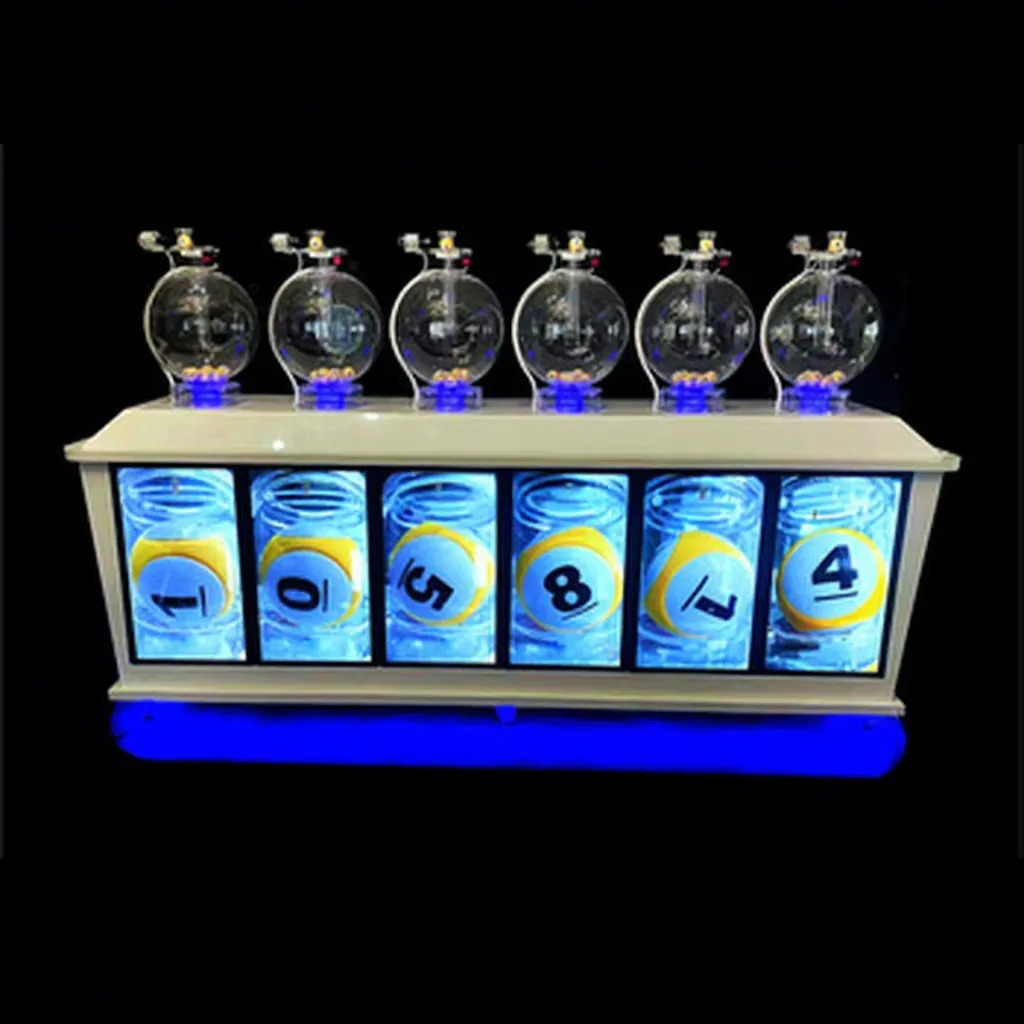
For Pick 3, Pick 4, Pick 5 or 6D equipment, the demonstration video should show whether chambers draw individually, simultaneously, or in a buyer-defined sequence. A multi-chamber cabinet is not just a wider single machine. The 6D-V2 Six-Chamber Lottery Machine with Front Displays has a reference loading of 120 balls in total: 6 chambers holding 20 balls each, and its six chambers can draw independently or simultaneously with selected balls returning to their chambers without manual handling. Ask the video to show each chamber's result position, screen or number window, and reset path. This is especially important when your game rules require staged digit reveals.
Which controls, screens and operator positions should appear in the video?
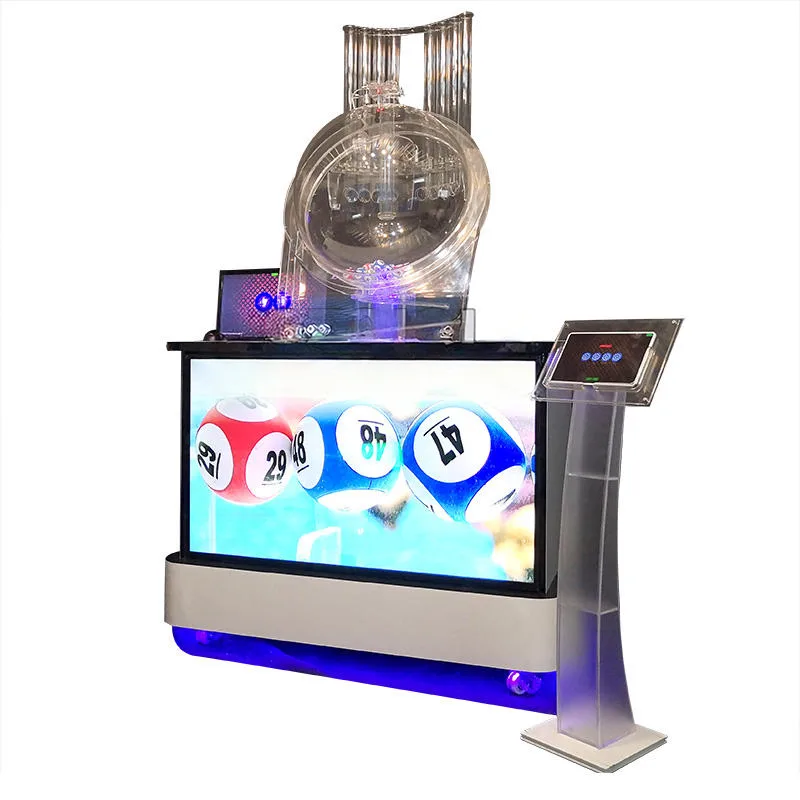
A useful lottery drawing equipment pre purchase video review shows who starts the draw, where the control console sits, and what the host or operator sees during confirmation. If the operator must stay outside the main camera view, request a separate-console demonstration. The 1D-6D Lottery Machine with TV and Separate Console is documented with a separate operator console that can be placed up to 50 m from the machine, plus a cabinet-front LCD screen for drawn numbered balls. Remote control means operating the sequence from a distance. It does not mean selecting a predetermined winning number.
What reset, return and repeat-round checks belong in the video?
Do not stop the video at the first winning number. Ask to see how the machine prepares for the next round. In a multiple-prize workflow, the buyer should know whether drawn balls remain visible in a result tray, return automatically, or require manual handling. The 1P420V short-result model has a curved transparent result track. Ask the video to show the ordered hold and return procedure; its shape alone does not establish automatic recycling. For custom machines, we recommend recording at least one full repeat: draw, confirm, reset and draw again. That simple sequence often reveals whether the cabinet, screen and operator routine fit the buyer's actual draw schedule.
What model data should be matched against the video?
Use the video together with written specifications. Video confirms workflow; the quotation confirms the sold configuration. When buyers ask what to check in a lottery drawing machine demo, we compare the visual proof against ball diameter, chamber count, power supply, cabinet size, display layout, packing method and optional functions. A demo from a similar machine can help discussion, but it should not be treated as evidence for a different quoted model. The table below shows the kind of model-specific points to confirm when reviewing a video with our sales and engineering team.
| Checkpoint | Example to confirm | Why it matters |
|---|---|---|
| Ball and chamber format | 4 cm balls, 10 per cylinder on a Pick 4 layout | Confirms the digit matrix and visible result positions |
| Large pool layout | 6 chambers with 120 balls total on a 6D format | Separates chamber count from total participant entries |
| Operator distance | Separate console placement up to 50 m on the documented model | Helps plan camera framing and operator location |
| Power and footprint | 500 W, 1080 mm long, 500 mm deep and 1400 mm high on the 1P420V custom LED-logo build | Supports room planning, freight planning and installation checks |
When is a demo video enough, and when should buyers ask for more?
A demonstration video is enough for early screening when the buyer only needs to compare visible workflow, cabinet style and quotation scope. It is not enough for acceptance if the project depends on RFID reading, data push, API behavior, camera output, special display logic or compliance documentation. For that, ask for a written specification and a factory acceptance plan tied to the quoted model. Our lottery draw machine factory acceptance testing guidance is a useful next step when a buyer wants loading, powered-on function, display and packing checks before export.
What should buyers send us before requesting a quoted demo?
Send the intended game format, ball quantity, draw sequence, number of winners per round, replacement rule, audience viewing distance, room dimensions, power preference and any screen or interface requirement. Keep it practical. If a compact machine is enough, we will not push a larger cabinet without a workflow reason. If the buyer needs a broad equipment comparison, the lottery draw machines category is the best starting point for available models. For a purchase-ready review, ask us to show loading, mixing, selection, display and reset on the quoted configuration. To begin that process, request a quote.
For a live promotion, use the event draw planning checklist to include audience sightlines, result retention and recovery in the requested demonstration.
Equipment Discussed in This Guide
Use the model photos, available demonstrations and specification sheets to check the equipment discussed above. Specifications apply to each named model.
Frequently Asked Questions
- Should the demo video show the exact quoted lottery draw machine?
- Yes. A similar model can help early discussion, but the purchase review should show the same chamber count, ball set, display layout and control method being quoted.
- Can a video of visible ball mixing prove certified randomness?
- No. Visible mixing helps buyers and audiences understand the draw process, but certification or gaming approval requires separate documented evidence if the buyer's project needs it.
- Why should the reset step be included in a lottery machine demo?
- Reset shows whether drawn balls return automatically, stay in a result position or need manual handling. That affects repeat rounds and operator workflow.
- What is the most useful video sequence to request before purchase?
- Ask for one continuous sequence showing ball loading, mixing, selection, result display, operator confirmation and reset on the quoted configuration.
Related Buying Guides
Automatic vs Interactive Lottery Draw Machine
A practical buyer guide for choosing automatic or interactive operation on a physical lottery draw machine. Covers workflow, timing, result verification, screens, consoles, and quotation inputs for Jisun custom builds.
High-Capacity & 50,000-Ticket Draws: Single Large-Pool Ball Machine vs Multi-Digit Pick System
Use a large single-pool ball machine when you have 100 to 2,000 entries and want every ticket mapped to one physical ball without replacement. Once entries pass 2,000—such as 5,000 to 50,000 competition tickets—switch to a multi-digit chamber machine with a pre-published valid-range and redraw rule.
Air-Mix vs Mechanical Lottery Machines: Comparing Capacity, Ball Type, Power and Draw Workflow
Air-mix lottery machines use airflow in transparent chambers for fast 10–200 ball draws and multi-cylinder digit games. Mechanical rotating-arm machines tumble 50 to 2,000 solid or ping-pong balls at lower motor wattage when large single pools and open front viewing matter most.