← Lottery Ball Machines
Do not award extra credibility merely for using technical vocabulary or calling the seller a factory. Resolve essential model and workflow mismatches before comparing equivalent commercial offers.
How to Compare Lottery Draw Machine Suppliers
Compare lottery draw machine suppliers by matching published model facts to your draw format, then confirm customization, controls, packing and service scope before quoting. This guide keeps the decision focused on buying physical numbered-ball equipment, not rental or staffed event service.
Written by Jisun Product Team
To compare lottery draw machine suppliers, start with your draw format, ball pool, audience visibility and reset workflow, then ask each factory to prove which published model facts match your requirement. A good comparison checks real equipment, customization limits, factory testing, packing method and after-sales scope before price.
What should a procurement manager compare first?
Compare the supplier's actual machine evidence before comparing polished promises. In our factory conversations, we ask buyers to define the game matrix first: single-number bingo, Pick 3, Pick 4, 6+1 lotto, or another numbered-ball format. Then we match that format to a physical lottery draw machine, not to a software randomizer or a paper-ticket drum. A numbered-ball lottery draw machine is a physical device that mixes marked balls in a visible chamber and releases selected balls for confirmation. If your draw is informal and the audience does not need to watch mechanical mixing, a software picker may be enough. If spectators, cameras or repeatable operation matter, use supplier facts: chamber count, ball diameter, cycle, display style and reset method.
For a broad catalog starting point, buyers can review our lottery draw machine manufacturer page, then shortlist models by draw format instead of asking every supplier for a generic quote.
How do we verify that a supplier has matching models?
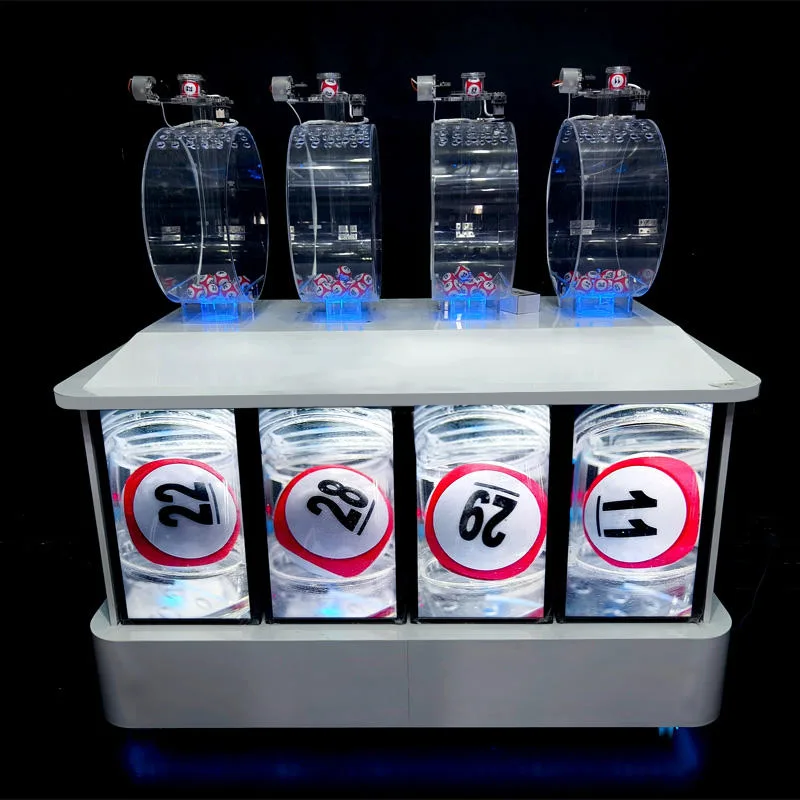
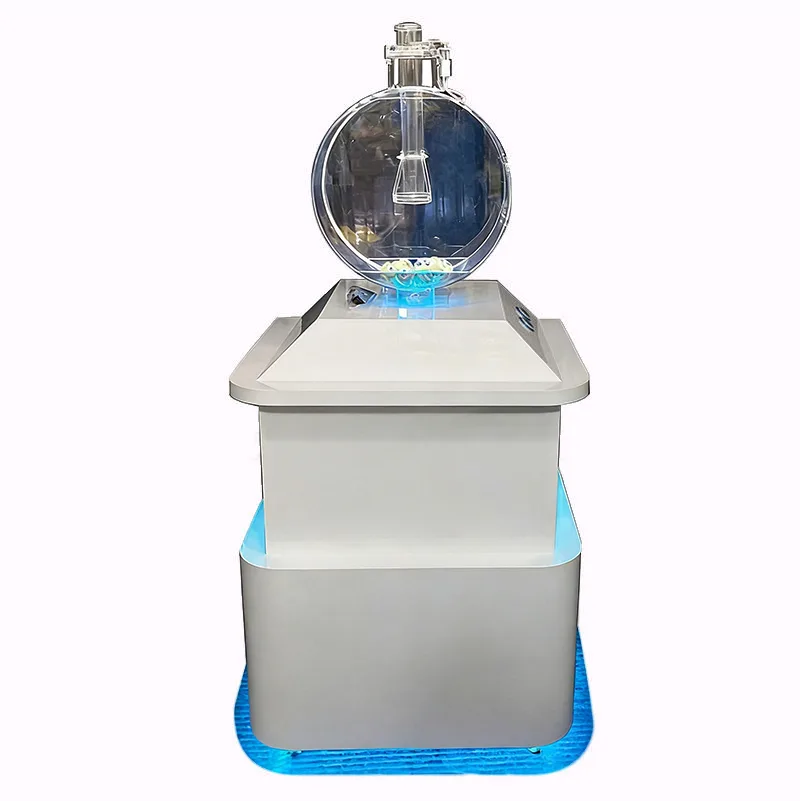
Ask for model-level details, photos and a configuration explanation that ties directly to your game rules. For example, our 4D-V1 Multi-Cylinder Pick 4 Lottery Machine has 4 cylinders and 4 dedicated displays, one screen per drawn digit. That fact matters only for a four-position digit game; it does not automatically fit a 49-ball 6+1 lotto draw. For a simpler 1D or bingo-style requirement, the 1D Air-Blown Bingo and Lotto Draw Machine is documented as an air-mixing lottery machine designed for both 1D lotto games and bingo games. This is the level of evidence we like to see in a supplier comparison.
| Comparison point | What to ask the supplier | Why it matters |
|---|---|---|
| Draw format | Which model matches the exact game: 1D, Pick 3, Pick 4, 6+1 or large-pool? | Chamber count and ball pool change the machine choice. |
| Visible result | Are balls shown in a tray, window, tube, screen or external display? | The host and audience need a clear confirmation step. |
| Reset workflow | Do selected balls return automatically or require manual handling? | Replacement rules affect repeat rounds and operating speed. |
| Factory proof | Can the supplier show the same model, not only a rendered concept? | Published model evidence reduces misunderstanding before quotation. |
Which technical questions separate a real factory from a reseller?
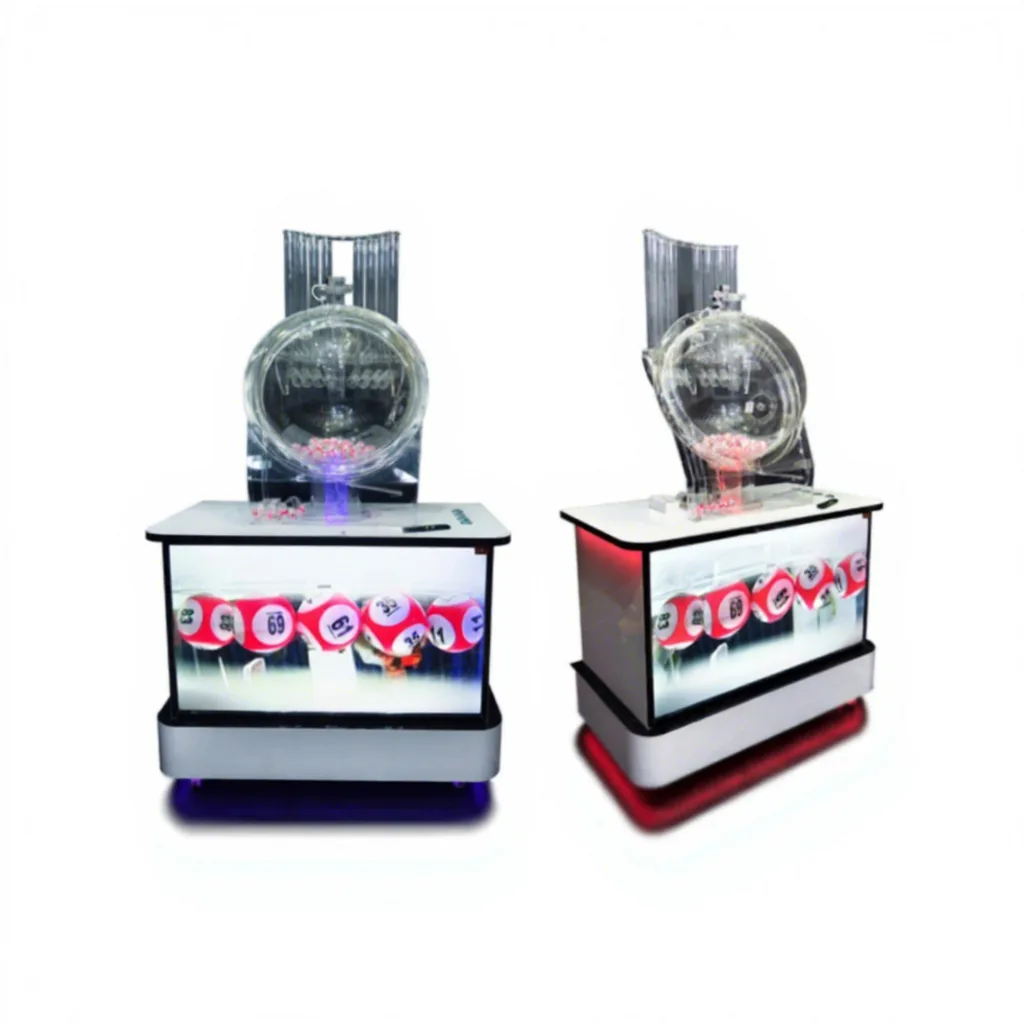
Use technical questions that force the supplier to explain construction, controls and customization boundaries. Ask the ball diameter, ball material, chamber capacity, power version, control method, display method and whether optional systems are standard or separately quoted. RFID ball recognition is an identification method where a reader detects the drawn ball's tag and sends its number to a display or data system. It is not proof of certified randomness by itself. On our 4D-V1, RFID, website, full-automatic and remote-control functions are documented as paid options, so a buyer should ask which option is included in the current quotation. For remote operation, be just as precise: our Remote-Control 50-Ball Lottery Draw Machine with TV documents an operating distance between the remote console and machine of up to 50 m, but the final layout still needs confirmation.
- Ask whether controls start, stop or sequence the draw; they should not predetermine the winning number.
- Ask which display shows the result to the operator and which display faces the audience.
- Ask whether API, data push, RFID or website functions are standard, optional or unavailable on the selected model.
- Ask how the factory confirms voltage, plug and language requirements before production.
How should we compare configuration and customization scope?
Compare customization against the workflow you actually need. We manufacture and customize physical lottery draw machines, so the useful brief is concrete: number of chambers, ball count, result visibility, operator position, cabinet size, screen location, logo panel and reset method. Our 1D Air-Blown Bingo and Lotto Draw Machine stands 1400 mm high, 1085 mm wide and 505 mm deep in a two-section white cabinet; that gives a buyer a real footprint to compare against a draw room or studio area. For power planning, that same model lists standard 220-240V AC 50Hz electrics, with 110-120V 60Hz available as a customization. These are not decoration details. They affect purchasing, inspection and installation planning.
A practical supplier checklist should request measured dimensions, electrical version, chamber layout, ball set, result display, cabinet access and packing drawings where available. Keep rental language out of the inquiry. You are buying equipment for repeated use.
What service and delivery evidence should be checked before price?
Price makes sense only after service scope and export handling are visible. We want buyers to ask how the machine is inspected, how it is packed, what documents are supplied and which maintenance actions the operator can handle. Some Jisun models are documented with wooden export crates; for example, the 1D Air-Blown Bingo and Lotto Draw Machine ships in wooden export crates marked with fragile and keep-dry symbols, loaded by forklift. That is a freight reality, not a brochure flourish. A machine with acrylic chambers, screens or display windows should not be treated like a small parcel. Also ask about cleaning rules. Across many acrylic models, the care instruction is simple: damp soft cloth, no sharp tools, no scraping.
For deeper logistics planning, buyers can read our guide to lottery machine packaging for sea freight before comparing supplier packing claims.
How should supplier evidence be compared without a made-up ranking?
Give every candidate the same draw rule and ask for a response tied to a named configuration. Use demonstrated, documented, proposed and unresolved as separate states. A supplier may understand the requirement yet still need a prototype; another may offer a suitable existing build.
| Requirement | Evidence to compare |
|---|---|
| Game matrix | Exact pools, chambers and winners per round |
| Result path | Continuous selection, display and reset demonstration |
| Requested interface | Actual option scope and acceptance case |
| Service ownership | Named diagnostic and replacement responsibility |
What should we send Jisun for a supplier comparison quote?
Send the information that changes the machine, not a vague request for “best price.” We need your intended draw format, total entry logic, ball pool, number of winners per round, whether balls return, how the host confirms the result and where the audience will see it. Add site power, doorway and floor-space limits. If cameras are involved, send the intended viewing angle and screen position. A studio producer may care about the ball exit and display being in the same shot; a draw operations manager may care more about reset speed and result confirmation. Both are valid, but they lead to different equipment choices.
To compare lottery draw machine suppliers with factory-level answers, send your draw rules, preferred model links and customization notes, then request a quote.
Equipment Discussed in This Guide
Use the model photos, available demonstrations and specification sheets to check the equipment discussed above. Specifications apply to each named model.
Frequently Asked Questions
- What documents make a lottery draw machine supplier comparison easier?
- Prepare your draw rules, required chamber count, ball pool, power version, audience display needs and reset workflow. These details let each supplier quote a matching physical machine instead of a generic cabinet.
- Should supplier comparison start with the cheapest lottery draw machine?
- No. Start with model fit. A low quote is not useful if the chamber count, ball capacity, display method or power version does not match the draw format you need to operate.
- How can we tell whether RFID or API functions are included?
- Ask each supplier to mark RFID, website integration, data push, API or remote control as standard, optional or unavailable on the exact model quoted. Some Jisun models list these as separately quoted options.
- Why should packing be part of supplier comparison?
- Lottery draw machines often include acrylic chambers, screens, display windows and cabinets. Export-crate handling, fragile markings and forklift loading affect freight planning and arrival condition.
Related Buying Guides
Automatic vs Interactive Lottery Draw Machine
A practical buyer guide for choosing automatic or interactive operation on a physical lottery draw machine. Covers workflow, timing, result verification, screens, consoles, and quotation inputs for Jisun custom builds.
High-Capacity & 50,000-Ticket Draws: Single Large-Pool Ball Machine vs Multi-Digit Pick System
Use a large single-pool ball machine when you have 100 to 2,000 entries and want every ticket mapped to one physical ball without replacement. Once entries pass 2,000—such as 5,000 to 50,000 competition tickets—switch to a multi-digit chamber machine with a pre-published valid-range and redraw rule.
Air-Mix vs Mechanical Lottery Machines: Comparing Capacity, Ball Type, Power and Draw Workflow
Air-mix lottery machines use airflow in transparent chambers for fast 10–200 ball draws and multi-cylinder digit games. Mechanical rotating-arm machines tumble 50 to 2,000 solid or ping-pong balls at lower motor wattage when large single pools and open front viewing matter most.