← Lottery Ball Machines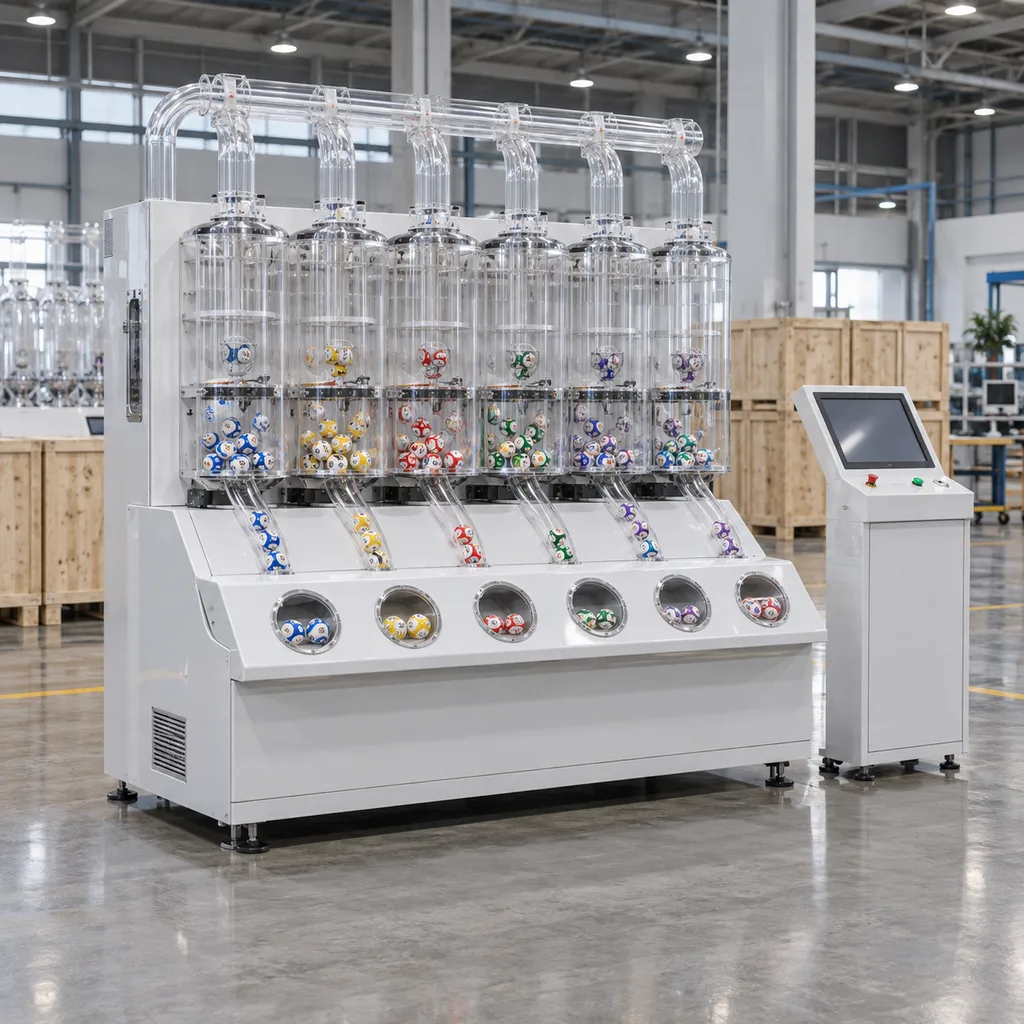
Automatic Return vs Manual Reset Lottery Draw Machines
A practical buyer guide to choosing automatic return, retained balls or manual reset workflow for a physical lottery draw machine purchase.
Written by Jisun Product Team
Choose automatic return when your lottery draw machine must run repeated Pick 3 or multi-round draws with minimal ball handling. Choose retained balls or manual reset when the audience needs to see selected results held in place before the next round. The right choice depends on replacement rules, result confirmation, operator workload and how often the purchased machine will be used.
What does automatic return mean on a lottery draw machine?
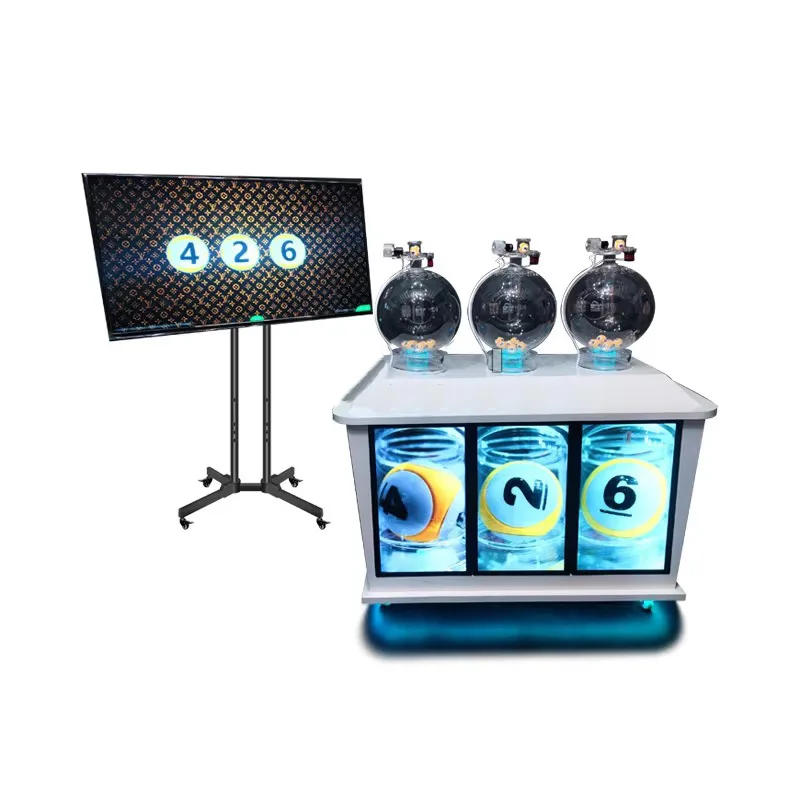
Automatic return means the selected ball travels back to its chamber after the draw without the operator picking it up by hand. In our factory discussions, this matters most for buyers running repeated digit games, because the machine can prepare for the next round faster and with fewer touch points. The 3D-V2 Pick 3 Lottery Machine with RFID Options is a useful example: its documented workflow says drawn numbers return to the hall without manual processing, and the cylinders can be drawn individually or simultaneously. That does not mean every game should recycle immediately. For a public prize draw, you may still need a confirmation pause, a displayed result, or a retained ball position before reset.
When should a buyer prefer retained balls or manual reset?
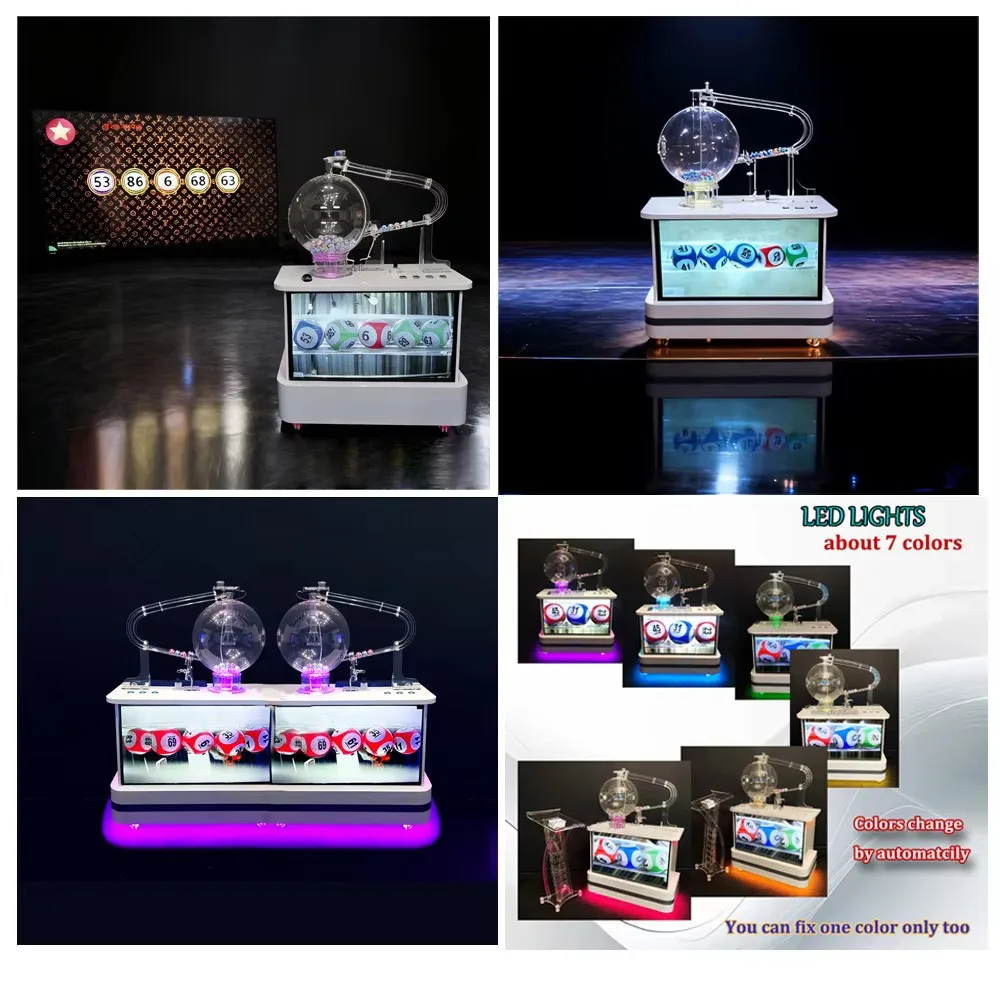
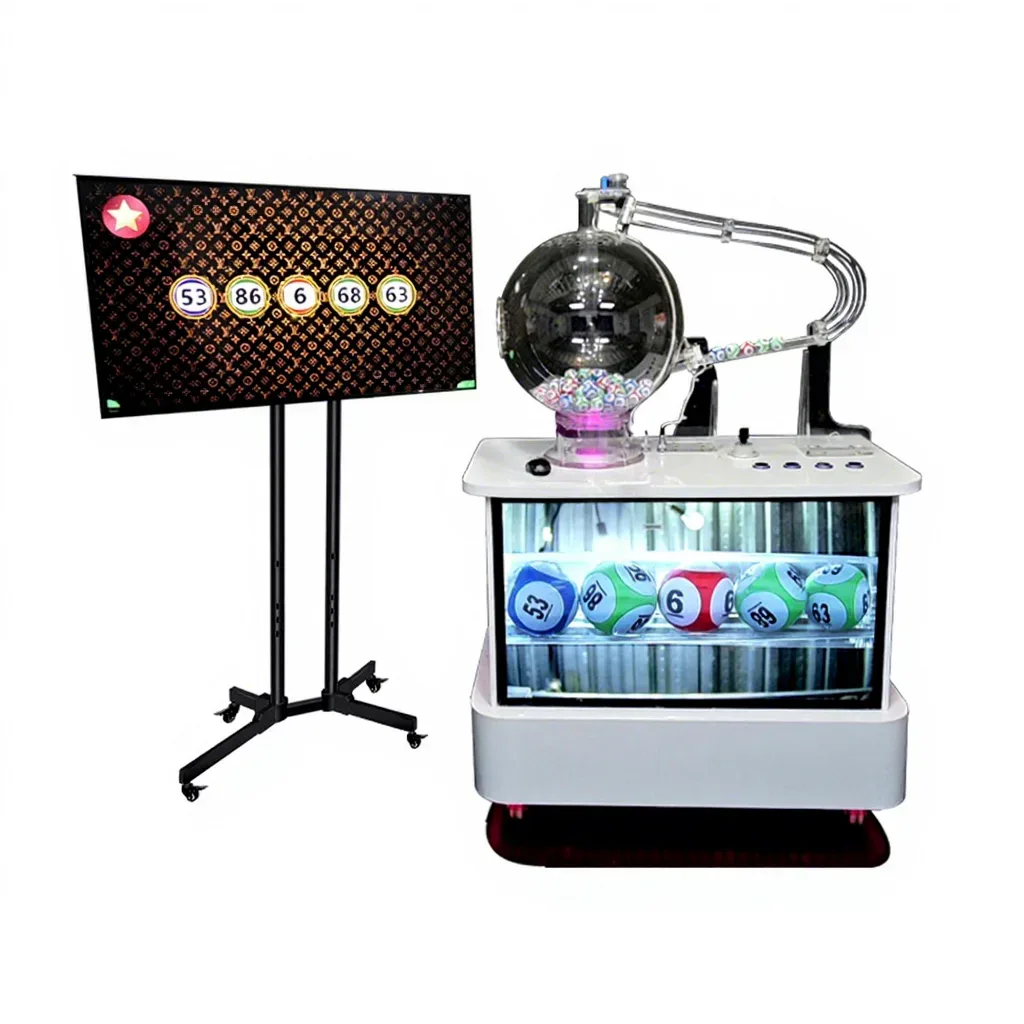
Retained balls make sense when the audience, host or draw supervisor must see the selected results before the next action. Manual reset means an operator physically clears, reloads or returns the selected ball after confirmation; it can be slower, but it gives a deliberate checkpoint. A retained-result layout can be mechanical, visual or both. For example, the LP500 Air-Mix Bingo Lottery Machine with LED Lights documents drawn balls displayed in sequence on a transparent side track mounted on the cabinet. The Air-Mix Keno and Lotto Ball Drawing Machine also uses a curved transparent tube where drawn numbered balls line up in a visible ordered row. For award shows, charity bingo or staged prize rounds, that visible row can be more valuable than instant recycling.
How do replacement rules differ from participant eligibility?
Returning a selected ball to the same chamber can make that number available in a later selection from that pool. In a multi-chamber digit machine, the same printed digit may also appear in another position because each chamber has its own ball set; that does not depend on a ball physically moving between chambers. Participant eligibility is another layer. If numbers map to people or entries, specify whether a winner remains eligible, how repeat results are handled and when that mapping is recorded. Keep the physical return sequence and the promotional rule together in the purchase brief, without implying the machine automatically enforces an external participant register.
How do return tubes compare with visible result tracks?
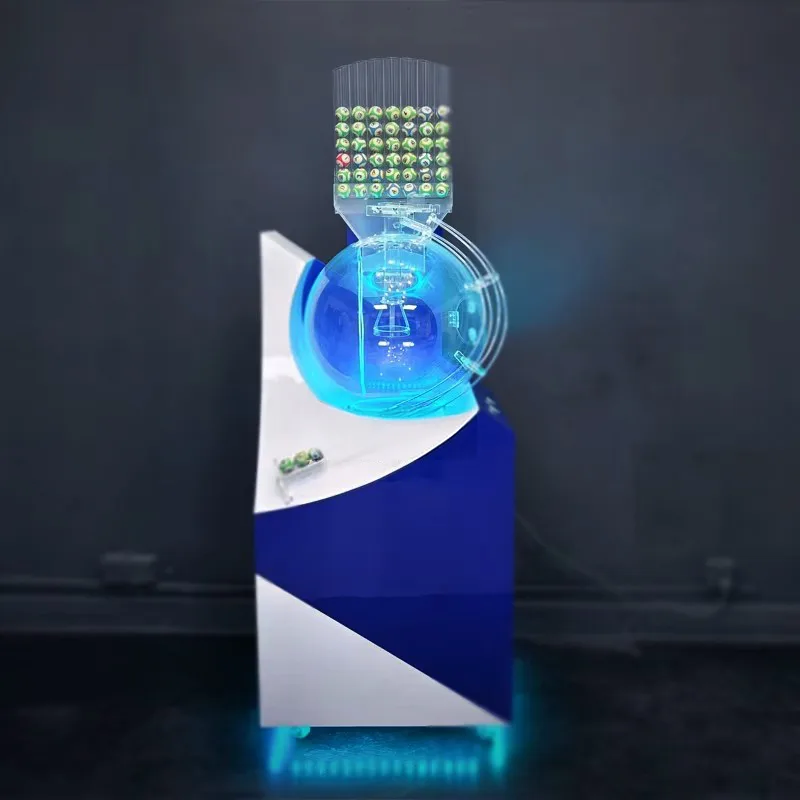
A return path carries balls back toward the mixing chamber; a result track retains selected balls for checking. The 1P420V 50-ball reference configuration uses a curved transparent track and a short-result display, while the 1P420V RFID version with external LCD adds matched electronic reading and an audience screen. Neither a curved tube nor a screen alone tells you when a ball returns. Specify the hold, confirmation and reset sequence for the ordered version, and demonstrate it through a complete round.
Which documented Jisun models help compare the workflows?
We start with the buyer’s game matrix, then shortlist machines by chamber count, ball pool and result handling. For a Pick 3 buyer, the documented 3D-V2 auto-return workflow is directly relevant. For a larger multi-chamber format, the 6D-V2 shows how independent or simultaneous chamber operation can pair with automatic return. For single-chamber prize or lotto-style draws, a model with a visible tube or track may fit better. The table below uses only documented facts, because capacity and reset behavior are model-specific. A 50-ball chamber is not automatically the same decision as a three-cylinder digit cabinet.
| Model example | Relevant documented workflow | Best procurement question |
|---|---|---|
| 3D-V2 Pick 3 | Built-in screens display each winning number, and drawn numbers return without manual processing. | Should each digit draw individually or simultaneously? |
| 6D-V2 Six-Cylinder | Six chambers can draw independently or simultaneously, and selected balls return to their chambers without manual handling. | Do your rules need six fixed positions or an extendable chamber layout? |
| 1P420V 50-ball | 50-solid-ball reference pool and a curved track; three results recommended, four to seven by display configuration. | Do you need fast recycling or retained presentation? |
| LP500 | Drawn balls display in sequence on a transparent side track. | How many results must remain visible before reset? |
What should be tested when a result returns automatically?
Show selection, result confirmation, record creation where requested, ball return and readiness for the next round in sequence. Interrupt the sequence before return and confirm that the pending result is not lost or counted twice after restart. If the display retains the number after the ball returns, identify how long it remains and how the operator distinguishes the previous round from the current one. For a retained-ball arrangement, confirm visible capacity and the exact clearing method. These tests address result handling; cabinet size and packing details belong in the installation brief rather than deciding whether return suits the game rules.
When is a simpler alternative enough?
If the draw is small, informal and private, a software picker or paper ticket box may be enough. A physical lottery draw machine is useful when spectators need to watch balls mix, see a staged reveal, read the result and repeat the process with consistent handling. Visible air mixing is not a certification of randomness by itself. It is a presentation and operation choice. For professional procurement, ask for the actual model’s ball path, result confirmation method and reset steps. We do not position these machines as rental equipment or staffed event services; we manufacture and customize machines for buyers who want their own repeatable draw equipment.
How should we design an automatic-return purchase brief for Pick 3?
For Pick 3, we would build the brief around three chambers, three result positions, return behavior and confirmation sequence. A visible-return concept can show each drawn digit, hold it long enough for the operator to confirm, then return it before the next round if your rules require replacement. The 3D-V1 Pick 3 Lottery Machine with Control Console documents three transparent air-mix cylinders, each holding 10 balls numbered 0-9, and each cylinder can draw independently or all three can draw simultaneously. Its on-machine display shows each winning number, and drawn numbers return without manual handling. Share your game rule, camera angle, screen need and repeat-winner policy, then request a quote.
Compare lottery draw machines by chamber count and retained-result layout, then use the factory acceptance checklist to specify the full draw, confirmation and reset demonstration.
Equipment Discussed in This Guide
Use the model photos, available demonstrations and specification sheets to check the equipment discussed above. Specifications apply to each named model.
Frequently Asked Questions
- Can an automatic-return lottery machine still show the result before recycling?
- Yes, depending on the selected model and configuration. Some machines pair automatic return with built-in screens or external displays, so the operator can confirm the result before moving to the next round.
- Is a return tube the same as a retained result track?
- No. A return tube sends balls back toward the chamber for another round, while a retained result track or display position keeps selected balls visible in order until the operator clears them.
- For Pick 3, does automatic return mean a digit can appear again?
- If the ball returns to its chamber and the rules allow replacement, the same digit can appear in another position or later round. Whether the same participant can win again depends on the buyer’s entry rules.
- What should we send Jisun when comparing automatic return with manual reset?
- Send the game format, chamber count, ball count, replacement rule, result display need, operator confirmation step and whether chambers should draw independently or simultaneously.
Related Buying Guides
Automatic vs Interactive Lottery Draw Machine
A practical buyer guide for choosing automatic or interactive operation on a physical lottery draw machine. Covers workflow, timing, result verification, screens, consoles, and quotation inputs for Jisun custom builds.
High-Capacity & 50,000-Ticket Draws: Single Large-Pool Ball Machine vs Multi-Digit Pick System
Use a large single-pool ball machine when you have 100 to 2,000 entries and want every ticket mapped to one physical ball without replacement. Once entries pass 2,000—such as 5,000 to 50,000 competition tickets—switch to a multi-digit chamber machine with a pre-published valid-range and redraw rule.
Air-Mix vs Mechanical Lottery Machines: Comparing Capacity, Ball Type, Power and Draw Workflow
Air-mix lottery machines use airflow in transparent chambers for fast 10–200 ball draws and multi-cylinder digit games. Mechanical rotating-arm machines tumble 50 to 2,000 solid or ping-pong balls at lower motor wattage when large single pools and open front viewing matter most.