← Lottery Ball Machines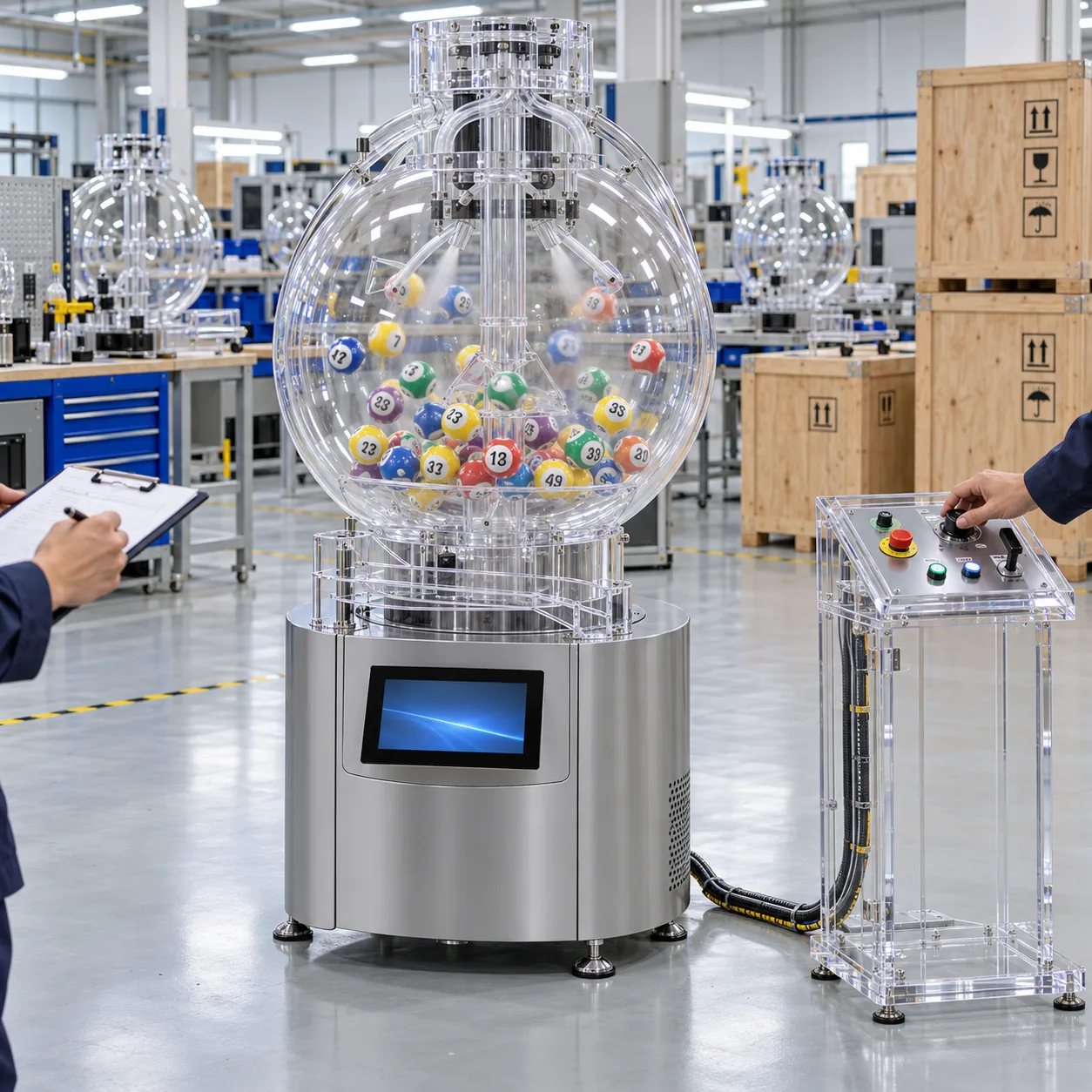
Lottery Machine Remote Installation Support
Lottery machine remote installation support should define the machine configuration, power, controls, packing checks, commissioning steps and technical support scope before purchase.
Written by Jisun Product Team
Lottery machine remote installation support should be agreed before purchase: which model is being configured, what the buyer installs locally, what Jisun confirms from the factory, and which commissioning questions must be answered before shipment. We sell and customize physical lottery draw machines, so the useful discussion is equipment setup, not event operation.
What should a remote commissioning session prepare in advance?
Identify the delivered model, configuration revision and local person responsible for each setup task. Send the installation layout, received accessory inventory, selected power version and photos of any transport damage before energizing the equipment. Follow the supplied installation instructions and use qualified local personnel for the work that requires them. Agree the session’s language, contact method, evidence to record and tasks that cannot be performed remotely. A remote adviser cannot physically inspect an unseen connection or verify a lifting operation through a product photo. Keep site preparation and factory configuration questions separate so each has a clear owner.
Which model details affect lottery drawing machine commissioning questions?
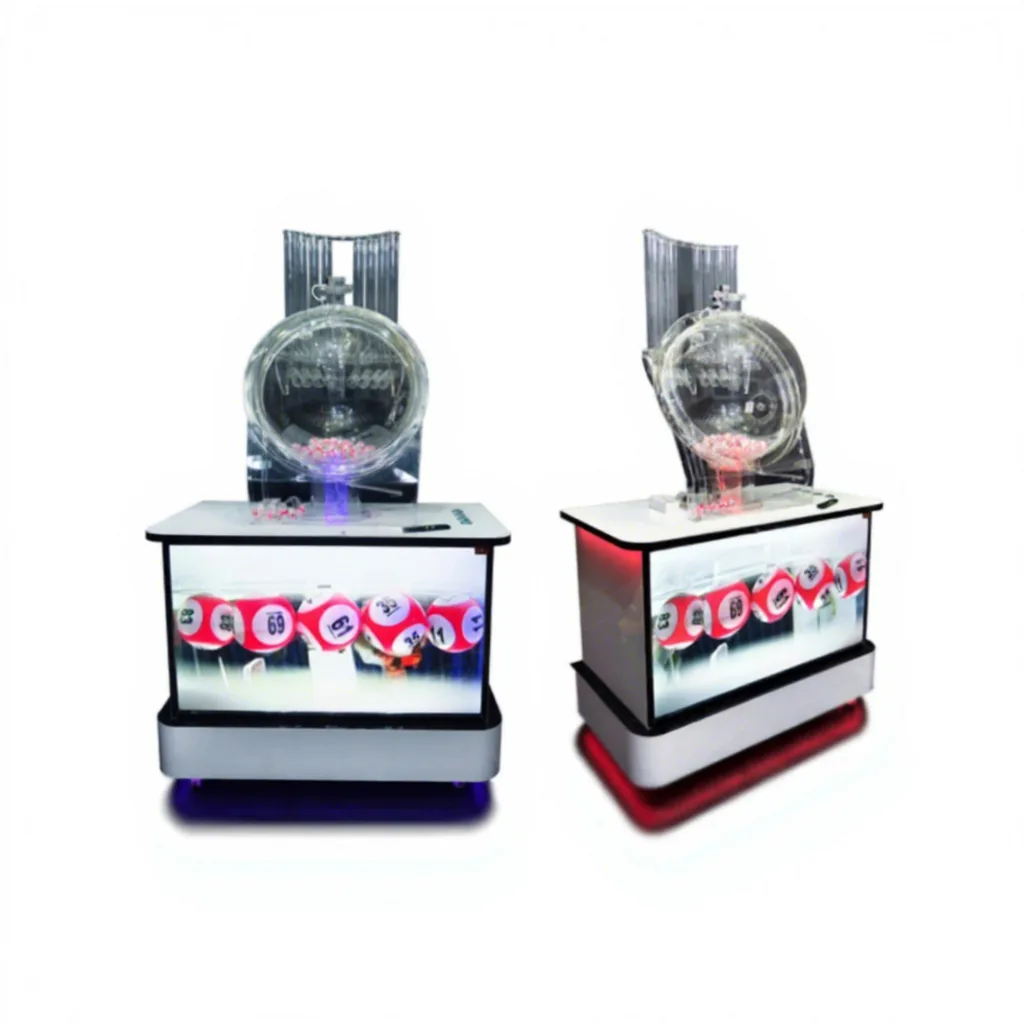
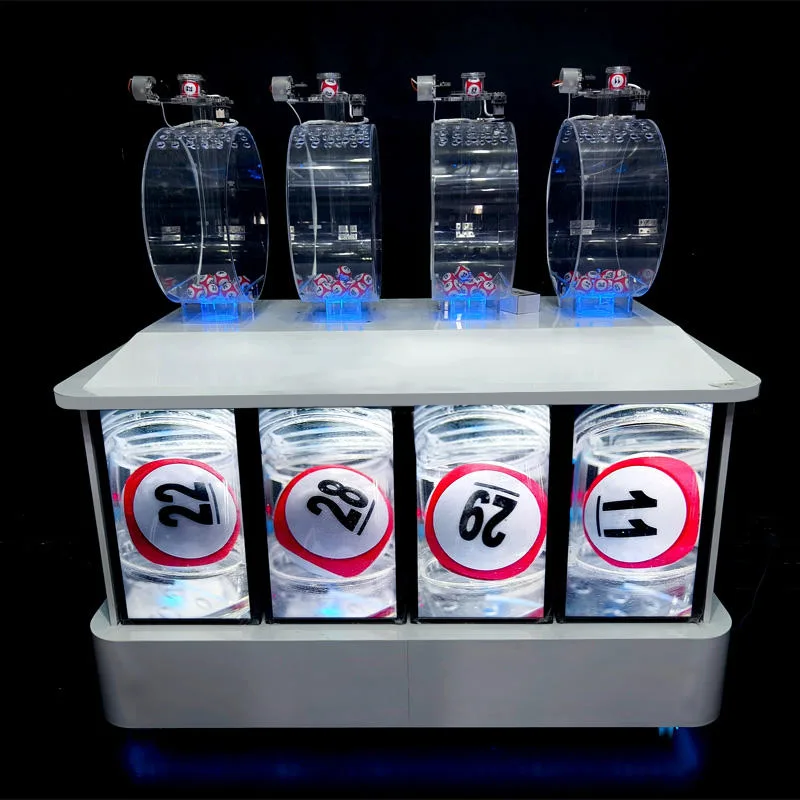
Commissioning is the first controlled setup process after delivery, where the buyer checks power, ball loading, controls, displays, draw sequence, result confirmation, reset, and basic care against the quoted configuration. Model facts matter. The Remote-Control 50-Ball Lottery Draw Machine with TV measures 1900 mm high, 1280 mm wide and 700 mm deep, uses a single transparent drum, and has a documented remote console distance of up to 50 m. A buyer planning a separate operator position should not treat that figure as a universal feature across all machines. A multi-cylinder model creates different checks: the 4D-V1 Multi-Cylinder Pick 4 Lottery Machine has four cylinders and four dedicated displays, one screen per drawn digit, so commissioning must verify each digit position separately.
| Model example | Commissioning item to confirm | Documented detail |
|---|---|---|
| Remote-Control 50-Ball Lottery Draw Machine with TV | Remote console placement and cabinet access | 1900 mm H x 1280 mm W x 700 mm D; remote console up to 50 m |
| 4D-V1 Multi-Cylinder Pick 4 Lottery Machine | Digit-by-digit display and cylinder mapping | Four air-blown cylinders and four dedicated displays |
| 1D Air-Blown Bingo and Lotto Draw Machine | Power and simple operator control | 220-240V AC 50Hz standard; 110-120V 60Hz customizable |
Can remote support replace on-site installation for every purchase?
No. Remote support can prepare a buyer well, but it does not remove the need for local unpacking, electrical preparation, safe handling, and on-site verification by the buyer's team or appointed technician. In our factory we can document the quoted configuration, explain ball loading, review photos or video from the buyer's location, and answer commissioning questions. We do not promise staffed installation unless a separate written scope says so. This distinction protects the project. A 60 kg single-sphere cabinet on casters is very different from a 2500 W multi-cylinder bench, and both need sensible placement, stable power, and enough clearance for operation and cleaning. Buyers should ask for exact remote and on-site scope in the quotation stage, including which checks happen before export packing and which checks happen after the machine arrives.
What should the technical support scope include before purchase?
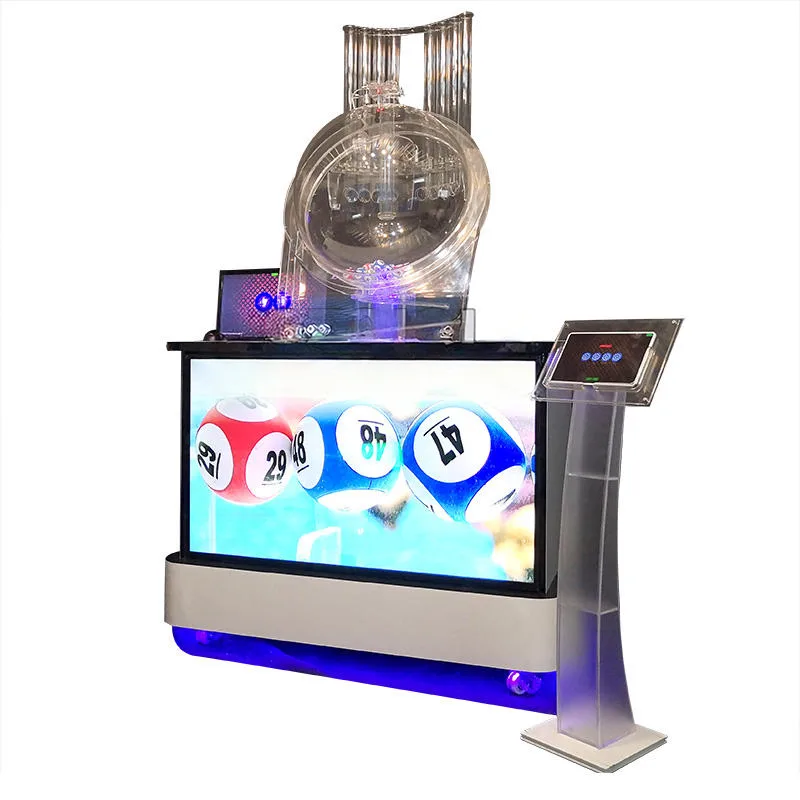
The lottery draw machine technical support scope should name the model, selected options, power version, chamber layout, ball set, display method, and control mode. If RFID, website integration, full-automatic mode, API, camera, or remote-control functions are needed, they should be written into the quotation as separately confirmed options, not assumed from another model page. The 1D-6D Lottery Machine with TV and Separate Console, for example, has a separate operator console that can be placed up to 50 m from the machine and includes a large LCD screen embedded in the cabinet front. Other machines may use push buttons on the cabinet or a basic console. We also confirm care requirements because acrylic surfaces are practical but not forgiving: many models require cleaning with a damp soft cloth, and sharp tools should not touch the machine surfaces.
How should the first-run checklist connect delivery to acceptance?
Begin with the received machine and ball-set identities, then follow the approved local installation procedure. Once the site team confirms readiness, observe controls, loading, mixing, selection, display, confirmation and reset using the agreed configuration. Record differences from the pre-shipment demonstration. If an option such as RFID or external display is included, test that option rather than treating a normal mechanical draw as proof of the interface. Keep any incomplete step pending and identify the person responsible for resolving it. Photograph removed transport restraints and retained accessories according to the supplied instructions so later support has a traceable starting point.
When does remote control change the installation conversation?
Remote control means the operator can start, stop, or run the agreed draw sequence from a control position; it does not mean the operator can choose a predetermined winning number. For camera-conscious draws, a separate console can keep the operator outside the main shot while the machine, chamber, result screen, and audience-facing reveal remain visible. The 1D-6D Lottery Machine with TV and Separate Console uses air-blower mixing with 40 mm solid balls in a 50-ball transparent drum, and the floor-standing transparent console carries its own small screen and control buttons. Before purchase, buyers should send the intended room layout, operator position, camera direction, and cable path. Engineering still needs to confirm the final control arrangement, interlocks, and any custom interface behavior for the selected model.
What information should procurement send for a clear quotation?
A useful inquiry gives us enough detail to match the machine to the operating plan. Tell us the game type, total ball pool, drawn balls per round, whether balls return between rounds, chamber count, screen needs, logo or cabinet preferences, power supply, room access, and whether the buyer expects remote-only guidance or a separately quoted on-site scope. For multi-digit formats, say whether cylinders should draw individually or simultaneously. For a single pool, say whether 50 balls, 49 balls, 100 balls, 200 balls, or a custom capacity is being considered, and we will connect that to an actual model rather than a generic promise. If a buyer is still early, the Lottery Draw Machine Manufacturer category page is the best starting point for comparing machine families.
Send your draw rules, room photos, power supply, preferred model links, option list, and installation-support expectations, then ask us to confirm the machine configuration and technical support scope: request a quote.
Equipment Discussed in This Guide
Use the model photos, available demonstrations and specification sheets to check the equipment discussed above. Specifications apply to each named model.
Frequently Asked Questions
- Can Jisun answer commissioning questions before we place the order?
- Yes. The useful pre-purchase questions are model-specific: chamber count, power version, control position, ball loading, display setup, reset method and optional functions. These should be confirmed before the quotation is finalized.
- Does remote installation support mean Jisun operates the machine for our event?
- No. The support discussed here is for purchased equipment setup and technical guidance. Buyers should confirm who handles local unpacking, placement, electrical preparation and first-run checks.
- Why should we specify the exact lottery machine model for support?
- Different models have different layouts. A single 50-ball drum with a separate console has different commissioning checks from a four-cylinder Pick 4 cabinet with one display per digit.
- What photos or details help Jisun review a remote setup?
- Room layout, doorway access, power supply, operator position, camera direction, cable route, crate condition, controls, display screens and ball sets all help us check the installation plan against the quoted machine.
Related Buying Guides
Automatic vs Interactive Lottery Draw Machine
A practical buyer guide for choosing automatic or interactive operation on a physical lottery draw machine. Covers workflow, timing, result verification, screens, consoles, and quotation inputs for Jisun custom builds.
High-Capacity & 50,000-Ticket Draws: Single Large-Pool Ball Machine vs Multi-Digit Pick System
Use a large single-pool ball machine when you have 100 to 2,000 entries and want every ticket mapped to one physical ball without replacement. Once entries pass 2,000—such as 5,000 to 50,000 competition tickets—switch to a multi-digit chamber machine with a pre-published valid-range and redraw rule.
Air-Mix vs Mechanical Lottery Machines: Comparing Capacity, Ball Type, Power and Draw Workflow
Air-mix lottery machines use airflow in transparent chambers for fast 10–200 ball draws and multi-cylinder digit games. Mechanical rotating-arm machines tumble 50 to 2,000 solid or ping-pong balls at lower motor wattage when large single pools and open front viewing matter most.