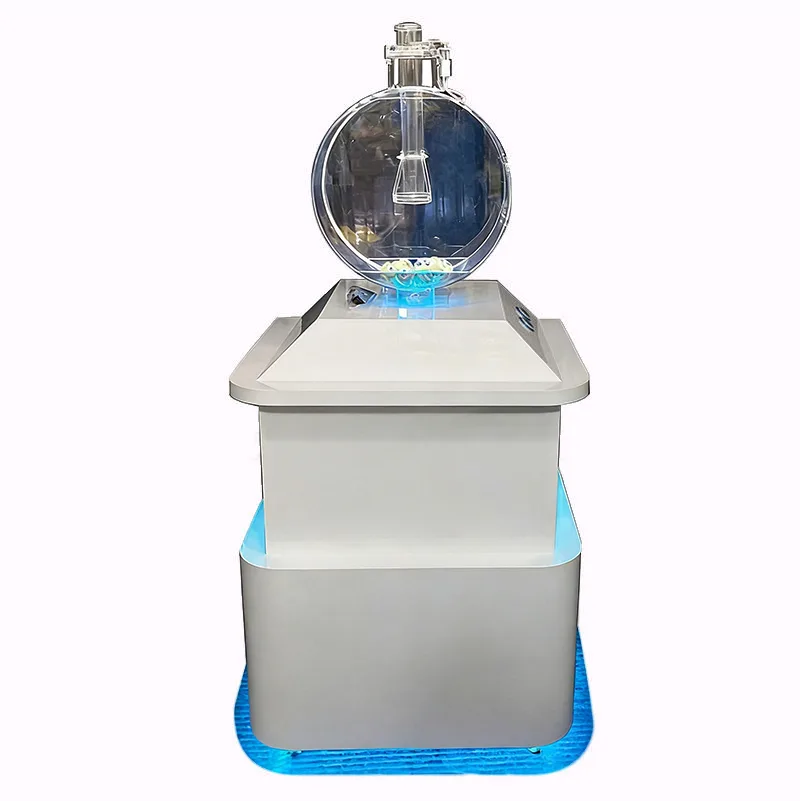
← Lottery Ball Machines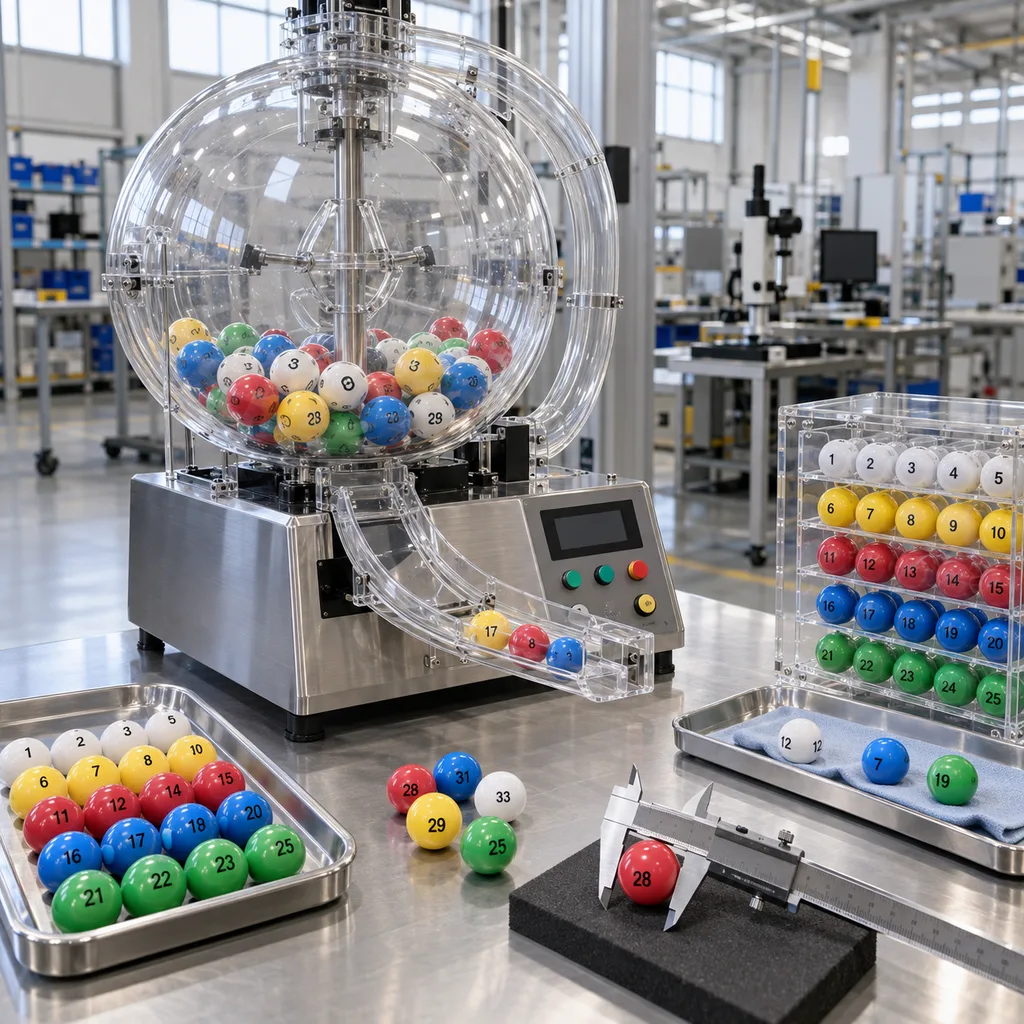
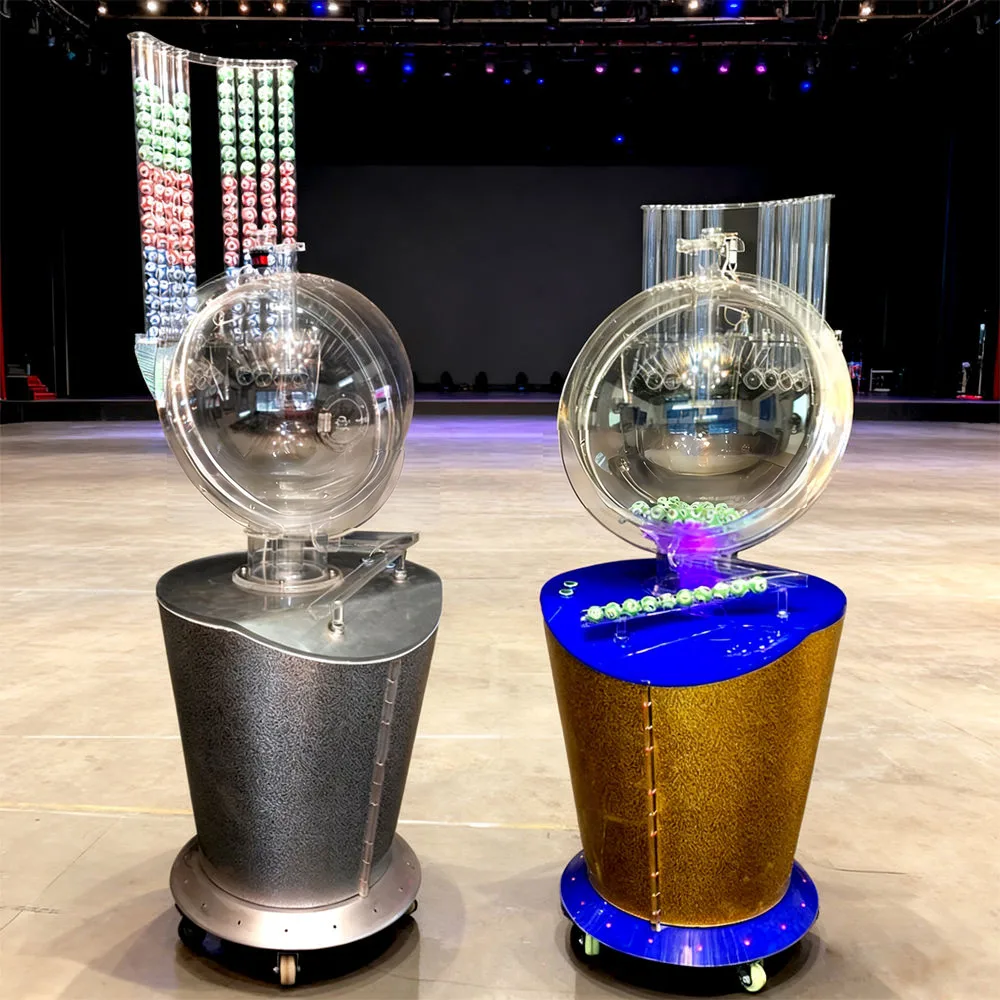
Lottery Machine Ball Size Compatibility Guide
Replacement balls must match the lottery machine's documented diameter, material, chamber capacity and reading method. We ask buyers to confirm the exact model and approve replacement sets before operation.
Written by Jisun Product Team
Replacement balls should be matched to the exact lottery draw machine model, not ordered by appearance alone. In our factory we check ball diameter, material, chamber capacity, printing, reading method and return path before approving a replacement set. A 40 mm ball for one air-mix machine may not suit a 5 cm model, even if both look similar.
Which buyer needs to check lottery machine ball size compatibility?
Procurement teams, draw operators and technical integrators should check compatibility before buying replacement balls for a lottery draw machine. The intended outcome is simple: keep the machine drawing from the correct ball pool without jamming, misreading, poor visibility or unfair-looking handling. A lottery draw machine is a physical device that mixes numbered balls and releases selected balls for public result confirmation. If the draw is informal and small, a paper ticket box or software picker may be enough. But when your audience needs to see the numbered balls mix, exit and remain readable, replacement balls become part of the equipment specification, not a general consumable.
What ball details must match the original lottery drawing equipment?
The replacement set should match the documented ball diameter, ball type, printing layout, color plan and quantity used by the selected machine. Start with diameter. Many Jisun air-mix models use 4 cm or 40 mm balls, but not all machines use the same size. Material also matters because air flow, ball weight and surface finish affect how balls move in the chamber. EVA is a solid foam-like ball material used on some multi-cylinder models. RFID is radio frequency identification, a reading method where a tagged ball is recognized by a reader rather than only by visual checking.
| Compatibility item | Why we ask for it |
|---|---|
| Diameter | The chamber, outlet, display rail and return path are built around a specific ball size. |
| Material | Solid EVA, solid numbered balls and table-tennis style balls may behave differently under air mixing. |
| Printing | Numbers must remain readable to the host, camera and audience. |
| Reading method | Manual reading, screen display and RFID recognition have different ball-set requirements. |
| Approved quantity | The working ball pool must fit the chamber and game rules. |
Can a 40 mm replacement ball fit every Jisun lottery draw machine?
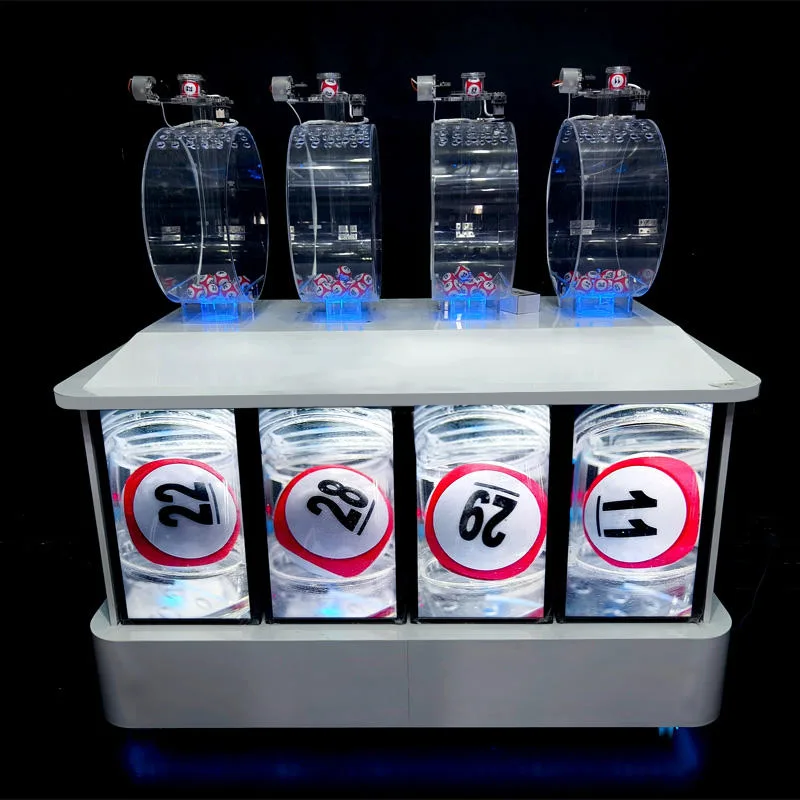
No. A 40 mm ball is common across many Jisun lottery machines, but it is not a universal rule for every cabinet. The 1D Air-Blown Bingo and Lotto Draw Machine uses balls of 40 mm diameter in a transparent acrylic chamber and releases them on a 10-second cycle. The 4D-V1 Multi-Cylinder Pick 4 Lottery Machine uses four air-blown cylinders, each holding up to 10 solid EVA balls of 4 cm diameter. Those two examples are close in size, but the chamber layout and game format are different. We still approve the set against the named model.
When does ball material matter as much as diameter?
Material matters when the machine depends on a specific air-mixing behavior, printed visibility or RFID reading. Air-mix means the machine uses blower-driven air to circulate balls inside a transparent chamber before selection. A solid EVA ball, a solid numbered ball and a table-tennis style ball can differ in weight, bounce and surface feel. The 4D-V2 Pick 4 Lotto Machine is documented with 4 cm solid EVA balls printed on six sides, while the YP600 Air-Blown Bingo Ball Machine with Console accepts both ping-pong balls and solid balls of 4 cm diameter. That difference is exactly why replacement sets need model approval.
How should buyers compare 4 cm and 5 cm lottery balls?
Buyers should compare 4 cm and 5 cm balls by the machine model, chamber capacity and game format, not by assuming larger balls are an upgrade. The YP800 49-Ball Lotto Machine 6+1 Draw 5cm Balls uses 5 cm diameter balls and a standard capacity of 49 solid balls, drawing 7 balls in a 6+1 format. By contrast, the MS04 49-ball model uses solid balls with a 4 cm diameter for a 6+1 sequence. Both can serve lotto-style draws, but the replacement balls are not interchangeable. Bigger balls also affect camera framing, storage, feed paths and result display proportions.
What should be confirmed for RFID or screen-read replacement balls?
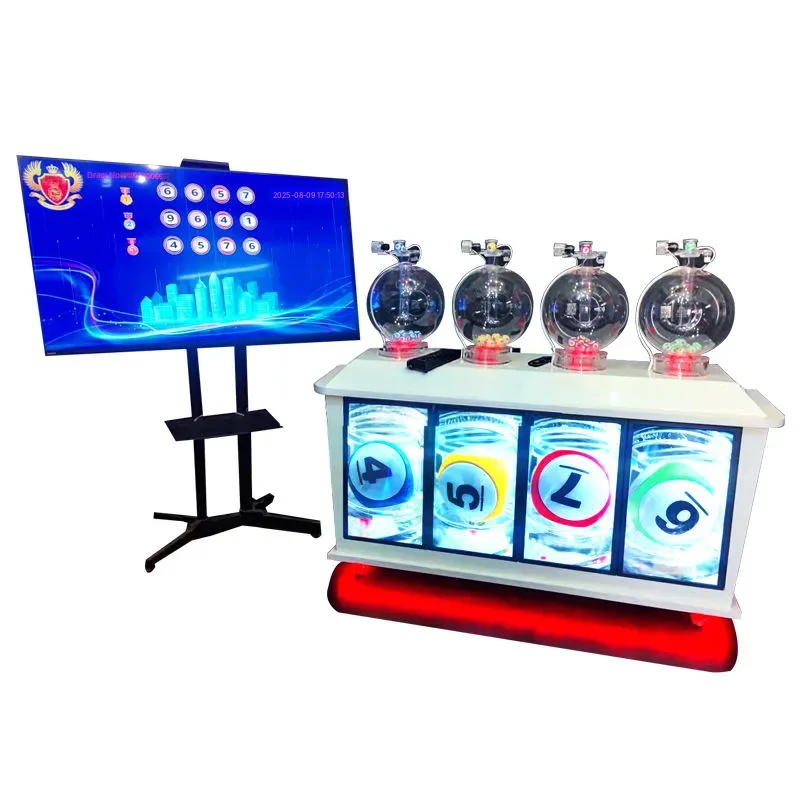
For RFID or screen-read machines, replacement balls need approval for both physical movement and identification workflow. RFID recognition reads each drawn ball and sends the number to a display or result system, so the ball set must be compatible with the reader position and the machine's configured draw rules. On the 1P420V RFID Air-Mix Lottery Machine with External LCD, RFID reads every drawn ball number and displays all numbers on an additional external LCD. On the 4D-V1 RFID Pick 4 Lottery Machine, the balls are 4 cm in diameter with numbers printed on six sides in nine optional colors. The safest request is model name, current ball photos and required numbering list.
How do capacity and return paths affect replacement ball orders?
Capacity is not only the number of participants in the promotion. It is the number of physical balls the chamber is designed to mix, select, display and reset. A 50-ball chamber does not automatically cover every participant ID in a larger campaign; the buyer may map entries to numbers or use a different game design. Return paths matter too. The 1P420V 50-ball reference model has a curved result track and a short-result presentation. Confirm the hold and return procedure for the selected version before assessing a replacement set. Multi-cylinder models may return selected balls to their own chambers automatically. We confirm this before suggesting replacement balls, because return behavior affects size tolerance and surface wear.
What information should we receive before approving a replacement ball set?
Send the exact model name, original ball diameter, ball count, number range, photos of the current balls, and the intended draw workflow. If the machine has RFID, camera, screen or API-related functions, include those details too so we can review the reading method. For factory purchase planning, link the request to the machine family on our lottery ball machine range page and the exact product page when available. We manufacture and customize equipment for purchase, including ball sets and storage planning where suitable. For example, our acrylic lottery ball storage case is available with capacity for 50 or 100 balls, with fixed rows that hold each numbered ball in its own position.
What can go wrong if replacement balls are chosen only by diameter?
A diameter-only choice can create practical problems even when the ball looks correct in a photo. Balls may move too slowly, bounce unpredictably, fail to settle in a result tray, scrape in a return tube or appear hard to read on screen. Printed numbers can also face the wrong direction if the original set used six-side printing and the replacement set does not. For routine operation, cleaning and handling matter after purchase. Many acrylic lottery machines require only a damp soft cloth, and sharp tools should stay away from the ball path and cabinet surfaces because scratches can affect appearance and visibility.
Can Jisun customize a compatible ball set for a new lottery machine order?
Yes, when the replacement set is part of a defined equipment order or a documented existing model review. We configure machines to buyer game rules on request, but we treat ball material, diameter and reading method as engineering inputs. The 5P350V3 Floor-Standing Pick 5 Lottery Drawing Machine, for example, documents 4 cm ball diameter and a factory working ball count range of 3-230 balls. The Large-Capacity 200-Ball Lotto Drawing Machine has a standard working capacity of 200 balls, with ball count customizable on request. Those facts guide a quotation, but final compatibility still depends on the selected model, ball set and workflow.
Send your model name, photos of the current balls, required number range, reading method and draw format, then contact Jisun for a replacement ball compatibility review and equipment quotation.
Ping pong balls: check the exact model first
The P350 configuration uses 50 numbered ping pong balls of 40 mm diameter. This establishes one compatible configuration, not compatibility with every retail table-tennis ball. Supply the proposed diameter, material, weight information and numbering for review against the blower and outlet. A 40 mm solid or RFID ball should not be substituted just because it has the same nominal diameter.
Keep the original numbered set and any replacement proposal identifiable during review. Tell us whether the new balls are for a changed game or like-for-like spares, then contact Jisun with the model and ball photos.
Compare machines configured for hollow ping-pong balls when the ball specification calls for that construction. The collection distinguishes the P350 air-blower setup from mechanical options and their separately specified loads.
Equipment Discussed in This Guide
Use the model photos, available demonstrations and specification sheets to check the equipment discussed above. Specifications apply to each named model.
Frequently Asked Questions
- Are 40 mm and 4 cm lottery machine balls the same size for ordering?
- Yes, 40 mm equals 4 cm, but size alone is not enough. We still match the ball set to the exact machine model, material, print layout, reading method and chamber capacity.
- Can we replace EVA balls with ping-pong style balls in the same draw machine?
- Only after model review. Some Jisun machines document solid EVA balls, while some YP600-style machines accept ping-pong balls and solid balls. The chamber and air-mix behavior must be checked before substitution.
- Do RFID lottery balls need a different compatibility check?
- Yes. RFID balls must match the physical machine and the reader workflow. We confirm diameter, tag compatibility, reader position, display behavior and the configured game rules before approving a set.
- Why do multi-cylinder machines need model-specific ball sets?
- Each cylinder may have its own capacity, display position and return path. A Pick 4 or Pick 5 cabinet is built around specific chamber counts and ball quantities, so one generic replacement set may not suit every cylinder layout.
- What should we send Jisun before ordering replacement lottery balls?
- Send the machine model, current ball photos, measured diameter, ball count, number range, material if known, and whether the machine uses manual reading, camera display or RFID recognition.
Related Buying Guides
Automatic vs Interactive Lottery Draw Machine
A practical buyer guide for choosing automatic or interactive operation on a physical lottery draw machine. Covers workflow, timing, result verification, screens, consoles, and quotation inputs for Jisun custom builds.
High-Capacity & 50,000-Ticket Draws: Single Large-Pool Ball Machine vs Multi-Digit Pick System
Use a large single-pool ball machine when you have 100 to 2,000 entries and want every ticket mapped to one physical ball without replacement. Once entries pass 2,000—such as 5,000 to 50,000 competition tickets—switch to a multi-digit chamber machine with a pre-published valid-range and redraw rule.
Air-Mix vs Mechanical Lottery Machines: Comparing Capacity, Ball Type, Power and Draw Workflow
Air-mix lottery machines use airflow in transparent chambers for fast 10–200 ball draws and multi-cylinder digit games. Mechanical rotating-arm machines tumble 50 to 2,000 solid or ping-pong balls at lower motor wattage when large single pools and open front viewing matter most.