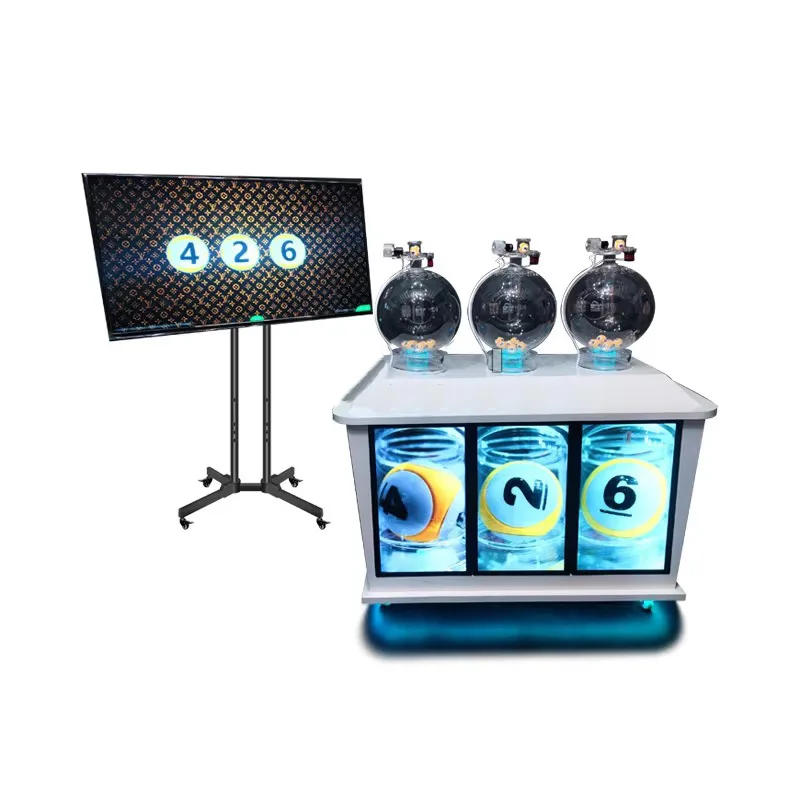
← Lottery Ball Machines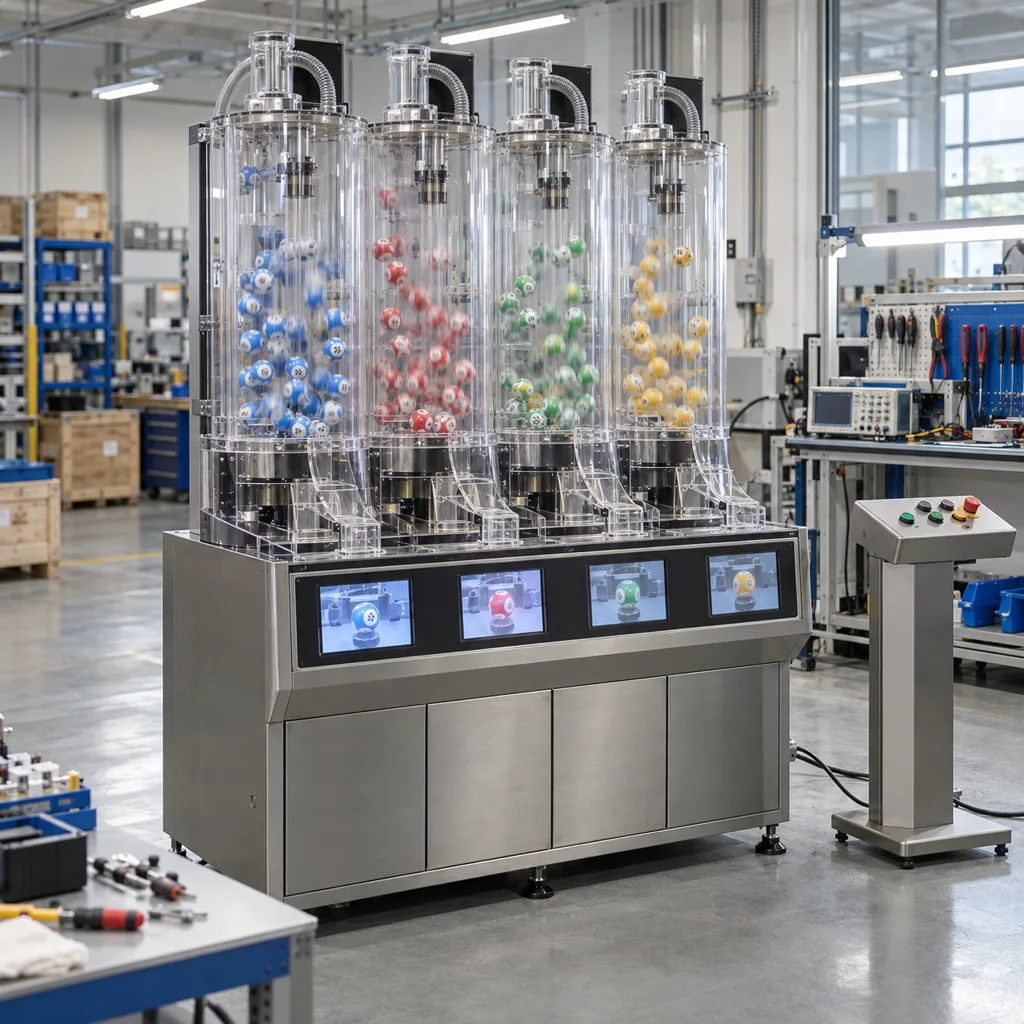
Visible pacing helps presentation but does not establish randomness or approval of the game.
Lottery Draw Machine Timing Settings
A procurement guide for buyers comparing programmable mixing time, adjustable ball selection intervals and total round duration in physical lottery draw machines.
Written by Jisun Product Team
For a draw operations manager buying a lottery draw machine, adjustable mixing and draw intervals decide how long the audience sees mixing and how quickly each result appears. We separate mixing duration, per-ball selection interval and total round duration so your game pace, camera shot and reset workflow can be quoted against the right physical machine.
What timing decision should a live-draw buyer define first?
Start with the round format, not the cabinet style. A lottery draw machine timing setting only makes sense after you define the selection pool, how many balls will be drawn, whether each chamber draws one digit or one shared pool, and whether the operator needs a pause for result confirmation. Mixing duration is the programmed time that balls circulate before selection. Selection interval is the time gap between one ball being released and the next selection action. Total round duration is the full visible sequence from start to confirmed result and reset. In our factory, we ask whether the buyer is running a quick Pick 3 or Pick 5 sequence, a bingo-style call, or a larger lotto draw with staged results. A small informal prize draw may only need a manual ticket box or software picker; a physical numbered-ball machine is useful when visible mixing, staged reveal and repeatable operation matter.
When do programmable mixing time and adjustable selection intervals matter?
They matter when one fixed draw speed does not fit the live show. For example, the 3D-V2 Pick 3 Lottery Machine with RFID Options is documented with automatic draw functions controlled by a microprocessor, including mixing time duration and the interval between selections. That is different from a simpler fixed-pace model such as the 1D air-blown bingo and lotto machine, where 40 mm balls are air-mixed in a transparent acrylic chamber and released on a 10-second cycle. Both approaches can be practical. The fixed cycle is easy for a predictable single-ball or bingo workflow. Programmable timing helps when a producer wants a longer visual mix before the first digit, a slower reveal between digits, or a faster batch of repeated rounds.
How should we compare timing across single-chamber and multi-chamber machines?
Compare three figures separately: chamber count, balls per chamber, and timing control. A multi-chamber machine can create a digit result by drawing one ball from each chamber, while a single-chamber machine may draw several balls from one pool. The 5D-V2 five-cylinder lottery machine has five transparent air-blown sphere cylinders, each with an independent top-mounted extraction mechanism, and its documented functions include adjustable mixing duration and selection intervals. The 6D-V2 Six-Chamber Lottery Machine with Front Displays works with 120 balls in total, with six chambers holding 20 balls each, and lists a 15-second reference selection cycle; programmed timing is agreed for the order. Those facts do not mean every custom sequence is already validated. They give us the starting point for engineering review.
| Configuration question | Why it affects timing |
|---|---|
| One pool or one chamber per digit | Changes whether the interval is between balls, digits, or chamber actions. |
| Individual or simultaneous chamber draw | Changes how long the audience sees the result build on screen or in the result tray. |
| Automatic return or manual reset | Changes how quickly the next round can begin after verification. |
What timing settings should be included in the quotation scope?
Ask us to quote the timing logic in plain operational language: mixing time before selection, number of balls selected, interval between selections, whether chambers run together or separately, and the expected reset behavior after result confirmation. The 1P800V large automatic RFID lottery machine is documented with automatic and interactive operation modes; in automatic mode, a microprocessor controls mixing duration, number of balls selected, and interval between selections. The YP600 Air-Blown Bingo Ball Machine with Console is also documented with automatic mode controlling mixing time, balls selected per draw, and selection interval. That gives buyers a useful vocabulary for RFQ writing. It does not replace model-specific confirmation. If you need RFID, data push, API behavior, camera views or external display output, those items should be listed as separate requirements so we can validate compatibility before production.
How should the producer turn timing into a complete round plan?
Write a timeline with preparation complete, mixing started, first selection, each subsequent selection, result confirmation and reset complete. Distinguish controller timing from a host’s pause or an operator’s confirmation. A quoted selection interval is not the total audience segment. Test the intended camera view at the actual reveal pace and check that the physical result remains readable before return.
| Timing field | Meaning in the acceptance script |
|---|---|
| Mix before selection | Configured circulation before extraction begins |
| Selection interval | Gap between defined selection actions |
| Confirmation hold | Time or operator action before clearing the result |
| Reset complete | Machine ready for the next approved round |
Which factory details help us validate the final timing plan?
Send the game matrix and the physical workflow. We need the ball pool, ball diameter, chamber count, number of winners per round, whether drawn balls return, and how the operator confirms the result. For a compact digit machine, buyers may compare the 2D-V2, where each cylinder holds 10 solid numbered balls of 4 cm diameter and draws exactly one ball per draw, producing one digit of the two-digit result. For a broader source-factory comparison, start from our lottery draw machines category and then narrow the RFQ to the models whose timing logic, chamber layout and display workflow fit your rule set. We manufacture for equipment purchase and customization, not rentals or staffed event operation. Share your draw sequence and required timing behavior, then request a quote.
Equipment Discussed in This Guide
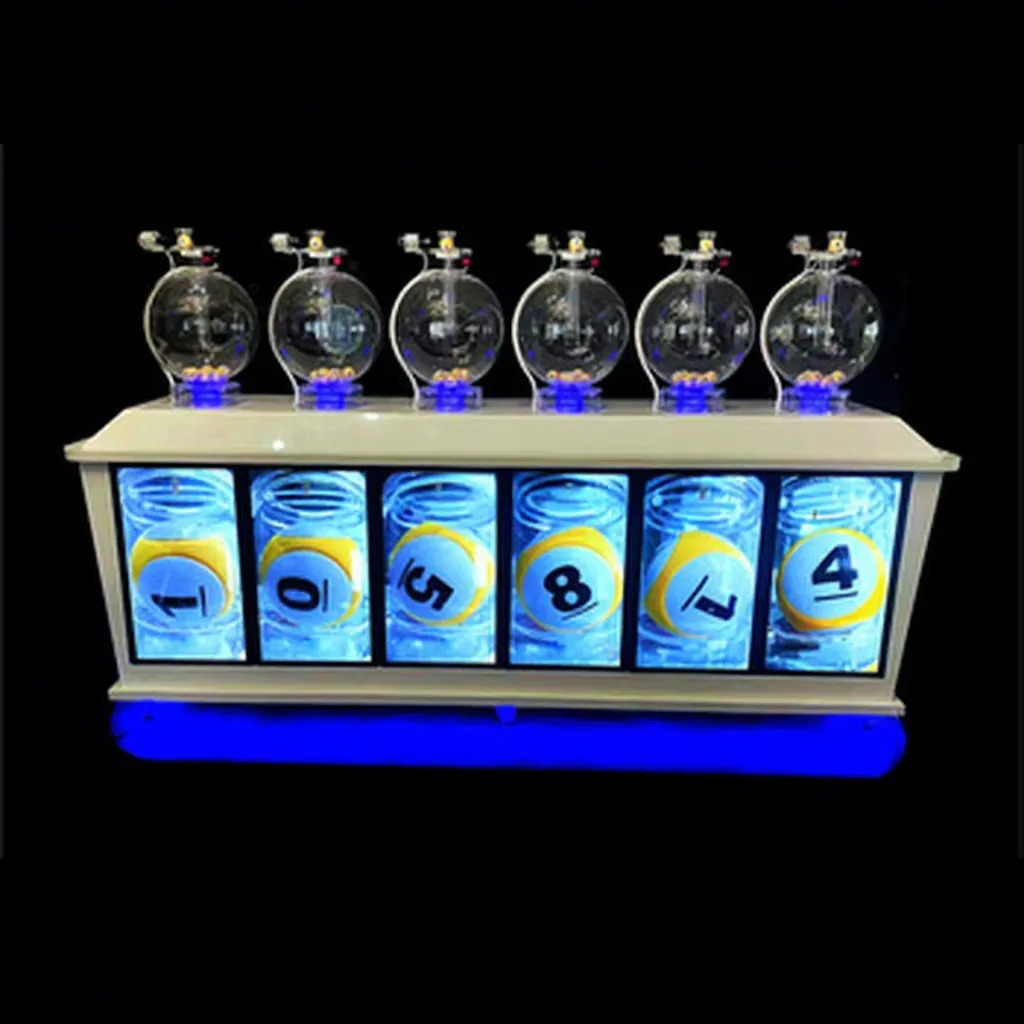
Use the model photos, available demonstrations and specification sheets to check the equipment discussed above. Specifications apply to each named model.
Frequently Asked Questions
- Can a lottery draw machine have both programmable mixing time and a fixed total cycle?
- Yes, depending on the model. Some automatic models document adjustable mixing duration and selection intervals, while other models document a fixed cycle such as 10 seconds per ball or a 15-second complete cycle.
- Is the ball selection interval the same as total round duration?
- No. The selection interval is the gap between selections, while total round duration includes mixing, selection, result display, confirmation and reset behavior.
- Why should we specify individual versus simultaneous chamber operation?
- Because multi-chamber machines may draw digits together or separately. That choice changes the audience reveal, camera timing and how quickly the result can be confirmed.
- Does adjustable timing prove certified randomness?
- No. Adjustable timing controls the operating sequence. Certification, audit logging or formal randomness validation requires separate model-specific evidence and project requirements.
Related Buying Guides
Automatic vs Interactive Lottery Draw Machine
A practical buyer guide for choosing automatic or interactive operation on a physical lottery draw machine. Covers workflow, timing, result verification, screens, consoles, and quotation inputs for Jisun custom builds.
High-Capacity & 50,000-Ticket Draws: Single Large-Pool Ball Machine vs Multi-Digit Pick System
Use a large single-pool ball machine when you have 100 to 2,000 entries and want every ticket mapped to one physical ball without replacement. Once entries pass 2,000—such as 5,000 to 50,000 competition tickets—switch to a multi-digit chamber machine with a pre-published valid-range and redraw rule.
Air-Mix vs Mechanical Lottery Machines: Comparing Capacity, Ball Type, Power and Draw Workflow
Air-mix lottery machines use airflow in transparent chambers for fast 10–200 ball draws and multi-cylinder digit games. Mechanical rotating-arm machines tumble 50 to 2,000 solid or ping-pong balls at lower motor wattage when large single pools and open front viewing matter most.