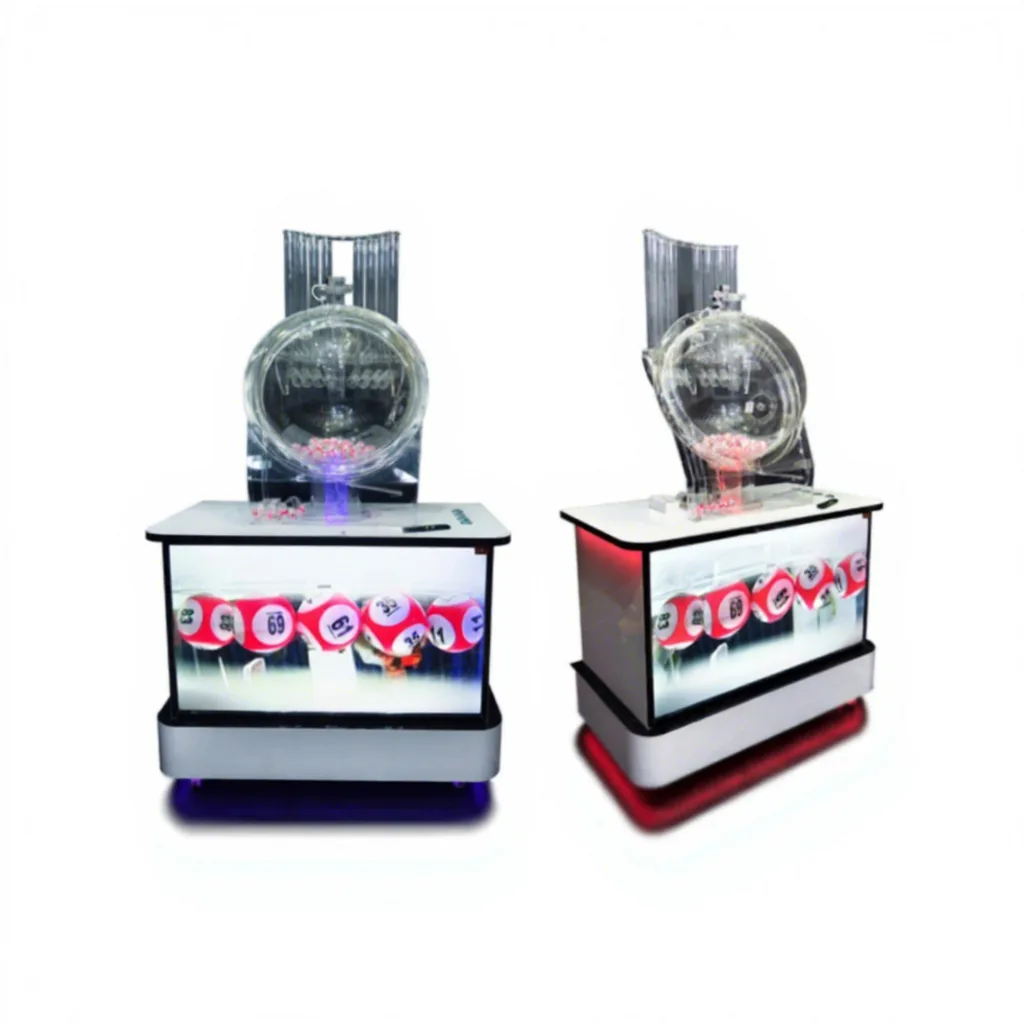
← Lottery Ball Machines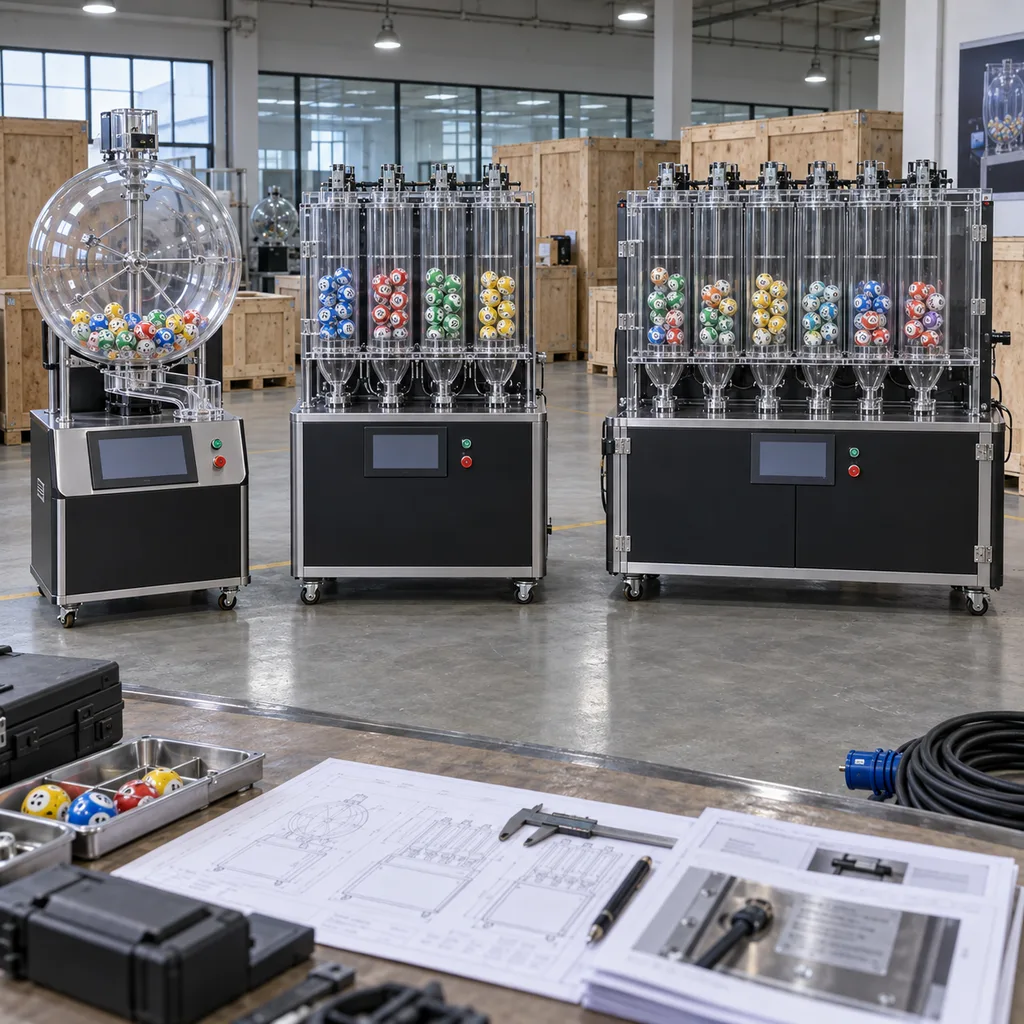
Lottery Draw Machine Specification Comparison
For purchasing, compare lottery draw machines by game format, ball pool, chamber count, cabinet size, power, controls, display method and separately quoted options, not by headline capacity alone.
Written by Jisun Product Team
For procurement teams comparing lottery draw machine specifications, start with the game format and working ball pool, then check chamber count, cabinet size, power, controls, displays, return path and quoted options. In our factory we compare models by the draw workflow buyers must run, not by one capacity number alone.
What should a purchasing comparison sheet include first?
A useful lottery drawing equipment model comparison sheet starts with the buyer's rule set: how many balls are loaded, how many are drawn, whether each digit needs its own chamber, and whether drawn balls must return before the next round. An air-mix lottery draw machine is a physical numbered-ball machine that uses airflow to mix balls inside a visible chamber before releasing a selected ball or sequence. That is different from a software random-number picker, a paper-ticket raffle drum, or a capsule dispenser. If the draw is informal and no audience needs to watch the ball movement, a simpler manual method may be enough. When visibility, staged reveal and repeatable operation matter, compare physical models.
| Comparison field | Why it matters for purchasing |
|---|---|
| Game format | Pick 1, Pick 3, Pick 4, 6+1 and bingo-style games need different chamber and result-display layouts. |
| Working ball pool | Total loaded balls, winners per round and return behavior are separate questions. |
| Cabinet size | The buyer must confirm doorway, floor position, camera angle and service access. |
| Controls and options | Manual buttons, automatic timing, RFID, data push, screens and remote control should be listed as included or separately quoted. |
How do capacity, ball diameter and chambers change the model choice?
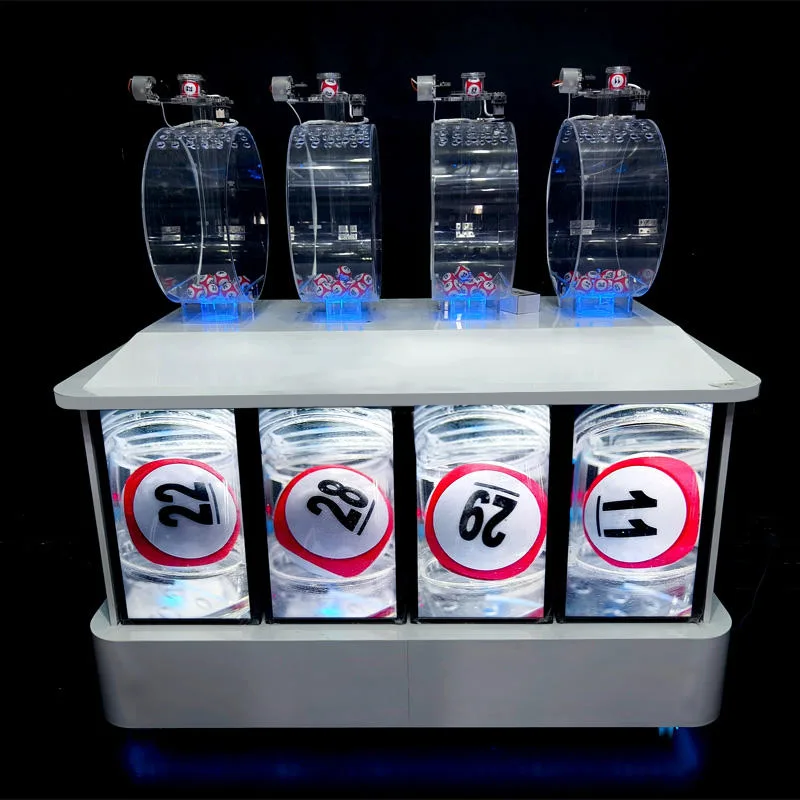
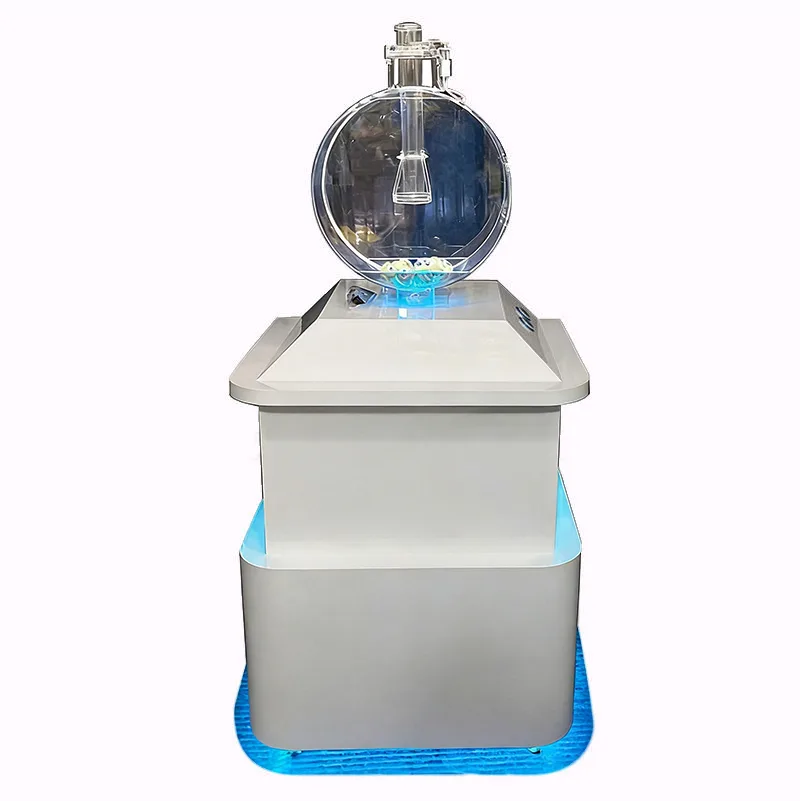
Capacity is not one universal specification. A single chamber holding 50 balls solves a different purchase problem than four cylinders holding 10 balls each. For example, the Remote-Control 50-Ball Lottery Draw Machine with TV uses a single transparent drum with 40 mm balls and 50-ball capacity, while the 4D-V1 Multi-Cylinder Pick 4 Lottery Machine has four air-blown cylinders, each holding up to 10 solid EVA balls of 4 cm diameter. Both are lottery draw machines, but the first is better to compare for a larger shared pool, and the second for digit-by-digit Pick 4 presentation.
| Model example | Useful specification to compare | Purchase reading |
|---|---|---|
| Remote-Control 50-Ball Lottery Draw Machine with TV | 50 balls, 40 mm ball diameter, single drum | Compare for one visible pool and multi-format digit draws. |
| 4D-V1 Multi-Cylinder Pick 4 Lottery Machine | 4 cylinders, up to 10 balls per cylinder, 4 cm balls | Compare for one cylinder per digit and four dedicated result positions. |
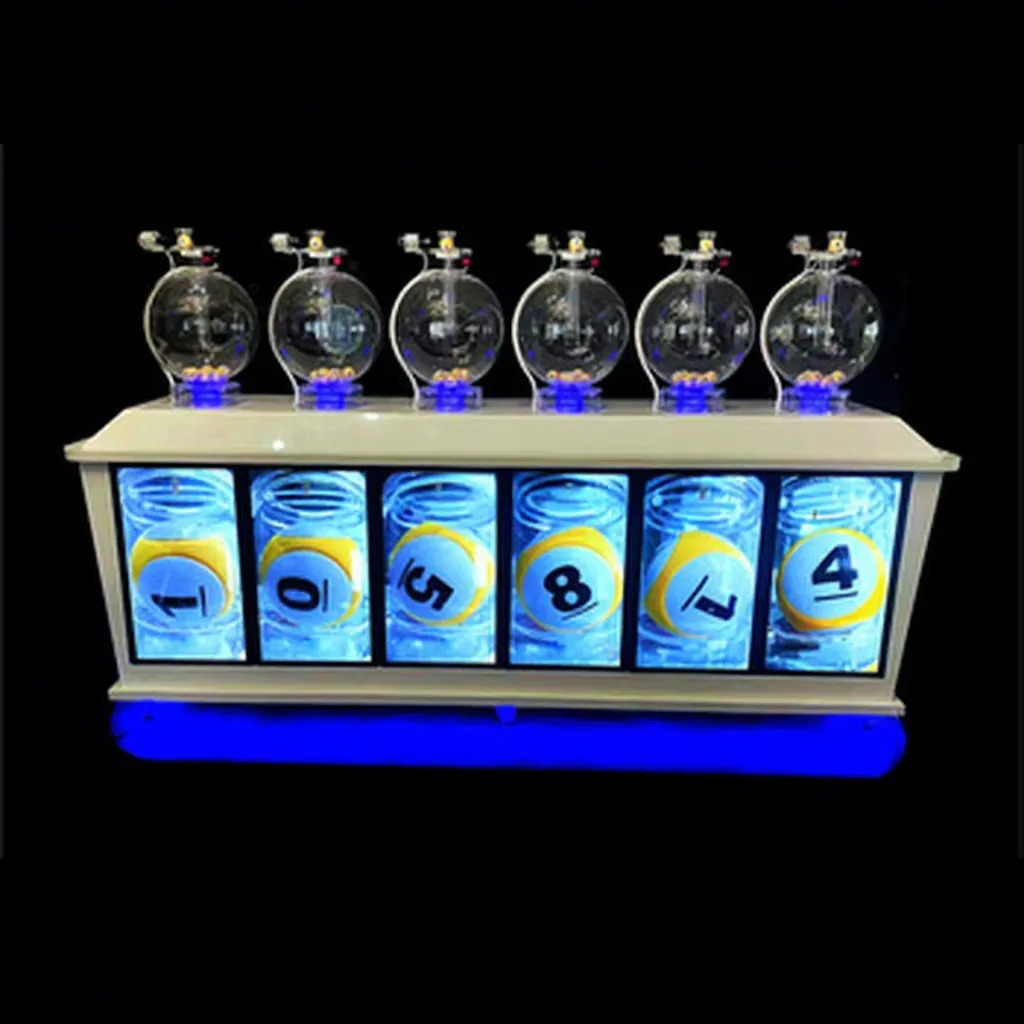
| 6D-V2 Six-Chamber Lottery Machine with Front Displays | 6 chambers holding 20 balls each, 120 balls total | Compare for six-position games needing independent or simultaneous chamber operation. |
Which size and power values belong in a technical specification comparison?
Use model-labeled dimensions and electrical ratings, because even similar-looking cabinets can differ sharply. The 1D Air-Blown Bingo and Lotto Draw Machine stands 1400 mm high, 1085 mm wide and 505 mm deep in a two-section white cabinet. The 4D-V1 cabinet measures 156 cm high by 175 cm wide by 62 cm deep. For larger multi-cylinder work, the 6D-V2 reference cabinet measures 1950 mm long, 620 mm deep and 1560 mm high, with a listed reference load of 2500 W. The upright-cylinder 6D-V1 is a different 1750 mm-long configuration; its dimensions must stay with that model. These are not interchangeable numbers. In our quotations, we keep each model's pool, ball diameter, cabinet and voltage together so buyers do not build a mixed-model specification by accident.
| Specification | Model-labeled example | How buyers should use it |
|---|---|---|
| Cabinet size | 1400 mm H x 1085 mm W x 505 mm D on the 1D air-blown model | Check room layout, doorway clearance and operator position. |
| Wider cabinet size | 156 cm H x 175 cm W x 62 cm D on 4D-V1 | Plan front screen visibility and camera framing. |
| Power | 2500 W on the 6D-V2 reference configuration; confirm the 5D-V2 electrical load separately | Confirm mains supply and local electrical preparation before production. |
How should buyers compare controls, screens and automation?
Controls should be compared by the operator workflow, not by a loose word such as automatic. Some buyers want a host to press a visible button. Others need the machine to run a timed sequence after setup. On the 1D Air-Blown Bingo and Lotto Draw Machine, the angled operator console carries two round push buttons for running the draw. On the 5D-V2 Five-Cylinder Lottery Machine with TV Displays, all draw functions are microprocessor-controlled, with adjustable mixing duration and selection intervals. The 5D-V2 also has five vertical TV screens embedded in the cabinet front, one per cylinder, each replaying a single winning ball. That screen count changes the cabinet layout, quotation scope and production confirmation.
- Ask whether controls are on the main cabinet, a separate console or both.
- Specify whether chambers draw individually, simultaneously or in a fixed sequence.
- List screen quantity, screen position and whether the result must be visible to the host, audience or camera.
- Mark RFID, website, data push, API, full-automatic and remote-control functions as included only when the selected model quote says so.
When should RFID or integration appear in the specification sheet?
RFID and integration belong in the comparison sheet only after the buyer defines how results will be confirmed and displayed. In our product line, RFID is a model-specific or separately quoted option, not a blanket statement for every lottery machine. The 4D-V1 documentation lists RFID, website, full-automatic and remote-control functions as paid options. The 3D-V2 can add RFID, data push and API functions on customer request. For a procurement team, the practical question is serviceability: where the reader sits, how the operator confirms the result, what screen displays it, and which interface behavior is specified in writing. Remote control means start, stop or draw sequence control. It does not mean selecting a predetermined winning number.
How do return paths and result display affect repeat rounds?
Return behavior affects the whole draw script. A machine that returns balls automatically can help repeat rounds move quickly, but the buyer still needs to define whether selected results remain visible long enough for confirmation. The 3D-V2 Pick 3 Lottery Machine with RFID Options has built-in screens that display each winning number as it is drawn, while drawn numbers return without manual processing and cylinders can be drawn individually or simultaneously. The 1P420V 50-ball reference configuration uses a curved track and short-result presentation. Specify the result hold and return procedure for the quoted version rather than inferring automatic reset from the tube shape. For purchase comparison, separate the visible result tray, screen replay, ball return and reset steps.
What should be requested from Jisun for an accurate quotation?
Send one equipment decision, not a bundle of mixed assumptions. We need the game format, working ball quantity, ball diameter preference if fixed by your rules, number of chambers, number of winners per round, result display method, control position, voltage, cabinet size limits and separately quoted options. Packing and care also belong in the procurement file: several Jisun lottery draw machines ship in wooden export crates, and acrylic surfaces are cleaned with a damp soft cloth because sharp tools can scratch them. For the broad catalog starting point, buyers can review our lottery ball machine range category, then narrow the comparison to actual models. For a model-labeled specification comparison and customization review, request a configuration quote.
Choose a shortlist by the physical ball pool
A compact 50-ball ping pong setup is documented on the P350 page. A request for 75-ball or 90-ball bingo needs explicit capacity, called-ball retention and reset confirmation on the 1D bingo blower configuration; its base record specifies 40 mm balls but not the total working pool. For a wider range, use the linked model comparison and retain the specifications of each model separately.
Record your chosen model and the changes requested in separate columns. This prevents a larger capacity or a screen option from another model becoming an assumed base feature. Send us your shortlist and draw rules to request a quote.
Equipment Discussed in This Guide
Use the model photos, available demonstrations and specification sheets to check the equipment discussed above. Specifications apply to each named model.
Frequently Asked Questions
- Why should a lottery draw machine comparison avoid mixing specifications from different models?
- Dimensions, ball pools, chamber counts, controls and screens are model-specific. A 50-ball single-drum machine and a four-cylinder Pick 4 cabinet can both use 40 mm or 4 cm balls, but they solve different draw workflows.
- What is the most useful starting point for comparing lottery draw machine specifications?
- Start with the game rule: total working ball pool, winners per round, digit positions, chamber count and whether balls return before the next round. The cabinet and control layout follow that workflow.
- Should RFID be treated as standard when comparing lottery drawing equipment?
- No. RFID, data push, API, website integration, full automation and remote control are documented as options on selected models. They should be listed as included only when the model quotation confirms them.
- How do screens affect a lottery draw machine purchase comparison?
- Screens change both operation and cabinet planning. Some models use one embedded front screen, while multi-cylinder machines may use one screen per chamber or an external display for the full result.
Related Buying Guides
Automatic vs Interactive Lottery Draw Machine
A practical buyer guide for choosing automatic or interactive operation on a physical lottery draw machine. Covers workflow, timing, result verification, screens, consoles, and quotation inputs for Jisun custom builds.
High-Capacity & 50,000-Ticket Draws: Single Large-Pool Ball Machine vs Multi-Digit Pick System
Use a large single-pool ball machine when you have 100 to 2,000 entries and want every ticket mapped to one physical ball without replacement. Once entries pass 2,000—such as 5,000 to 50,000 competition tickets—switch to a multi-digit chamber machine with a pre-published valid-range and redraw rule.
Air-Mix vs Mechanical Lottery Machines: Comparing Capacity, Ball Type, Power and Draw Workflow
Air-mix lottery machines use airflow in transparent chambers for fast 10–200 ball draws and multi-cylinder digit games. Mechanical rotating-arm machines tumble 50 to 2,000 solid or ping-pong balls at lower motor wattage when large single pools and open front viewing matter most.