← Lottery Ball Machines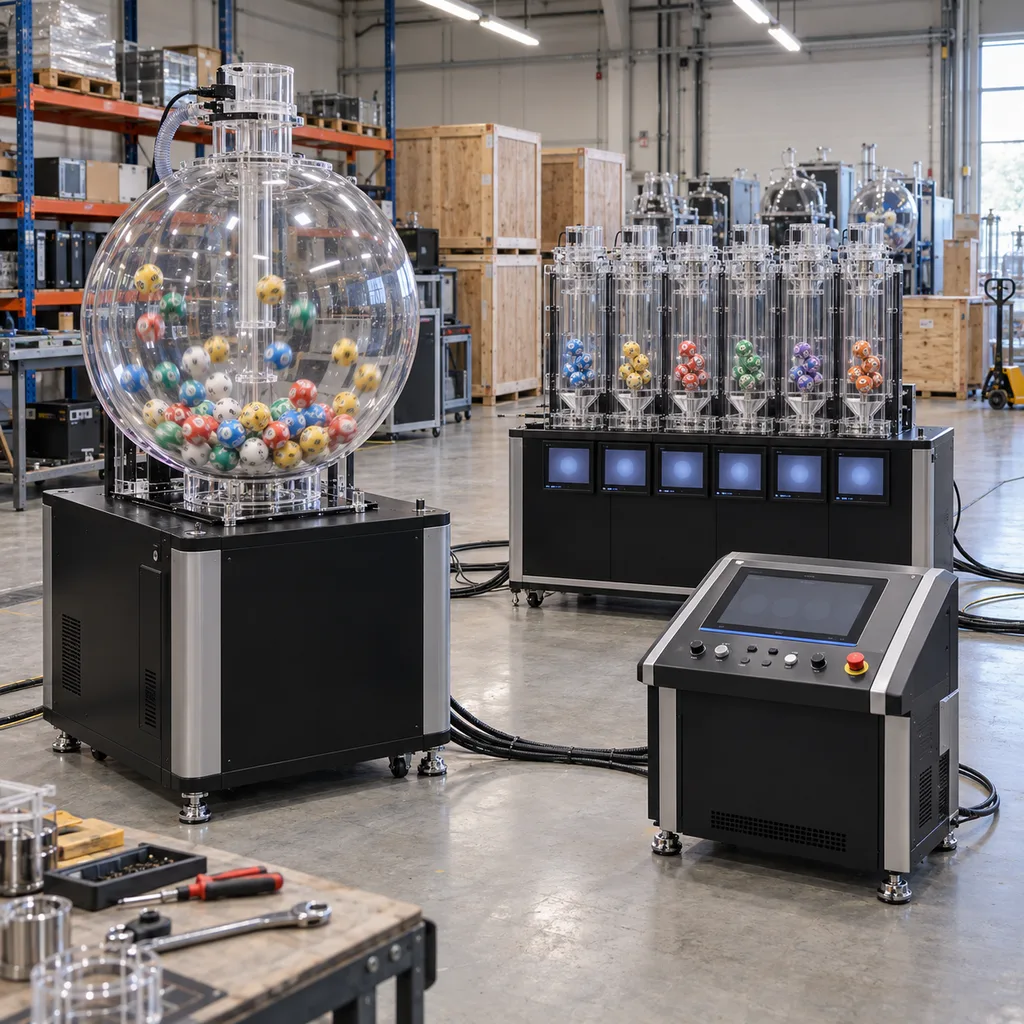
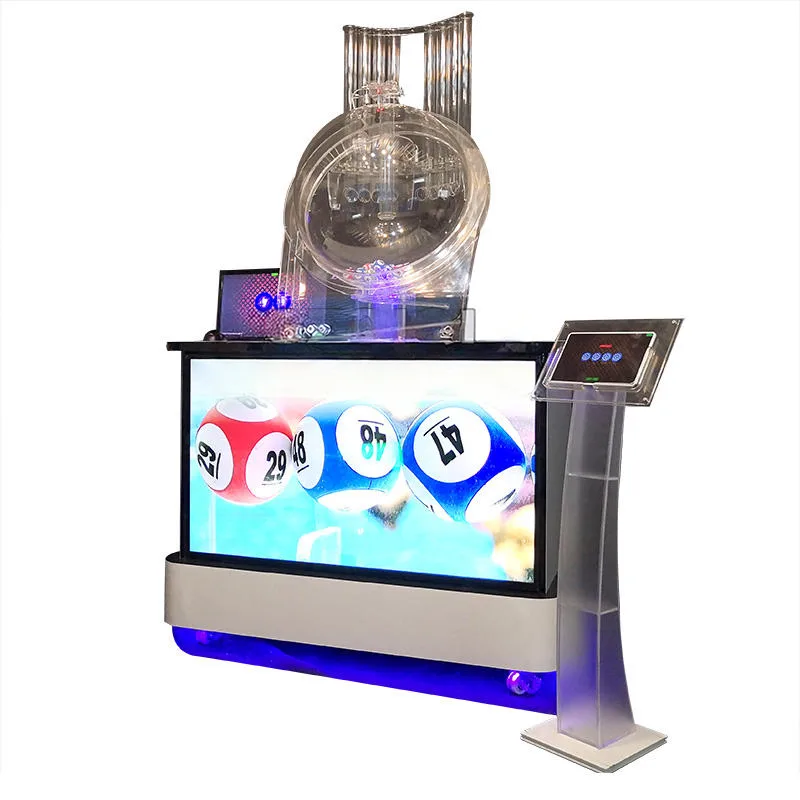
Lottery Ball Machine Price: Compare Custom Configurations
A practical buying guide for procurement teams comparing lottery draw machine configurations before requesting an itemized factory quotation.
Written by Jisun Product Team
Lottery ball machine price depends on the physical draw format first: chamber count, ball pool, result display, RFID or manual reading, control position, cabinet size and custom branding. We quote equipment for purchase, not rental service, so the useful starting point is your game rule and workflow.
What configuration details change a lottery drawing machine quotation?
The largest cost drivers are the parts you can see and service: how many chambers the machine needs, how many balls each chamber must handle, whether results return automatically, and whether the audience needs screens, cameras or a separate console. Air-mix means a blower moves numbered balls inside a transparent chamber so the selection remains visible during the draw. It is not the same thing as a paper-ticket raffle drum or software random number generator. In our factory we start the quote by mapping the selection pool, the number of winners per round, the display requirement and the reset method. A buyer comparing models should begin at our lottery ball machine range category, then narrow the request to the physical format that matches the game.
How does chamber count affect lottery draw machine cost?
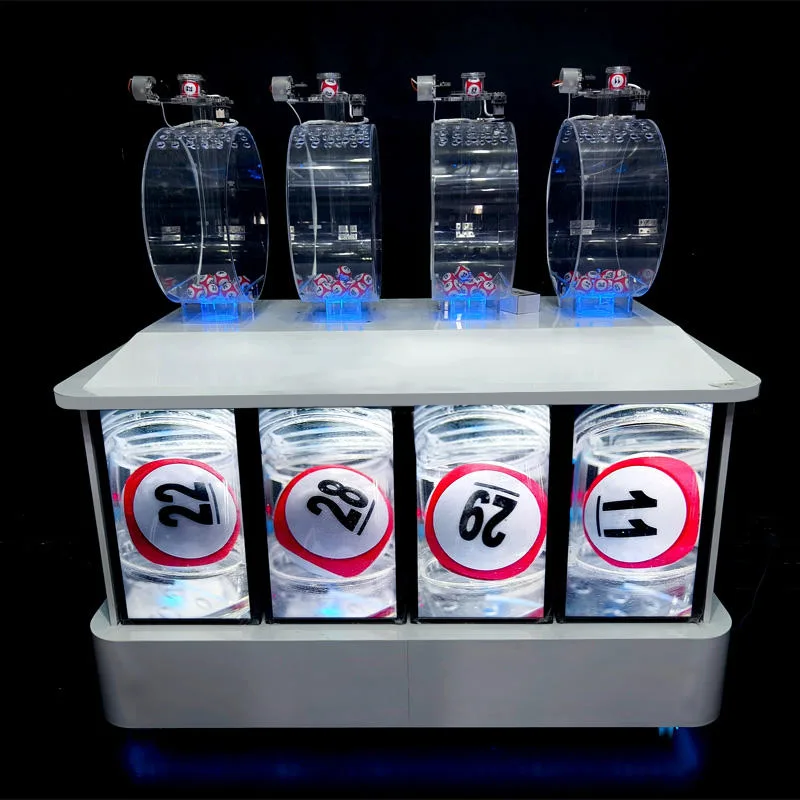
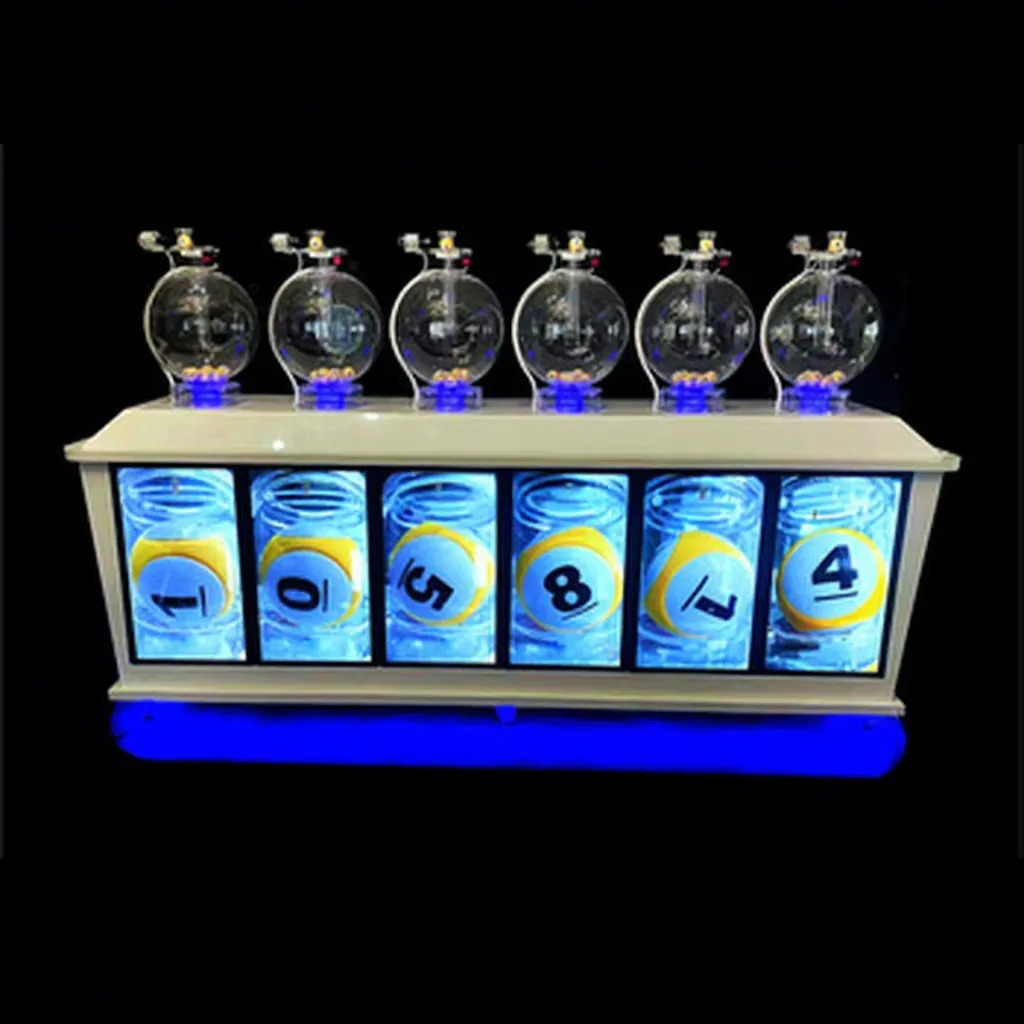
Chamber count changes the cabinet, blower layout, controls, display positions and assembly time. A single-chamber unit may suit one-number draws, bingo-style calling or a 50-ball pool, while a Pick 3, Pick 4, Pick 5 or 6D game often needs one chamber per digit. For example, our 4D-V1 Multi-Cylinder Pick 4 Lottery Machine has four air-blown cylinders, each holding up to 10 solid EVA balls of 4 cm diameter, and it uses four dedicated displays, one screen per drawn digit. A 6D-style machine changes the structure again: the 6D-V2 reference configuration uses six groups of 20 balls; a decimal Pick 6 game instead needs a separately specified 0-9 set per chamber. That is why “one more digit” is not just one more label on the cabinet.
When do RFID, screens and camera options belong in the quote?
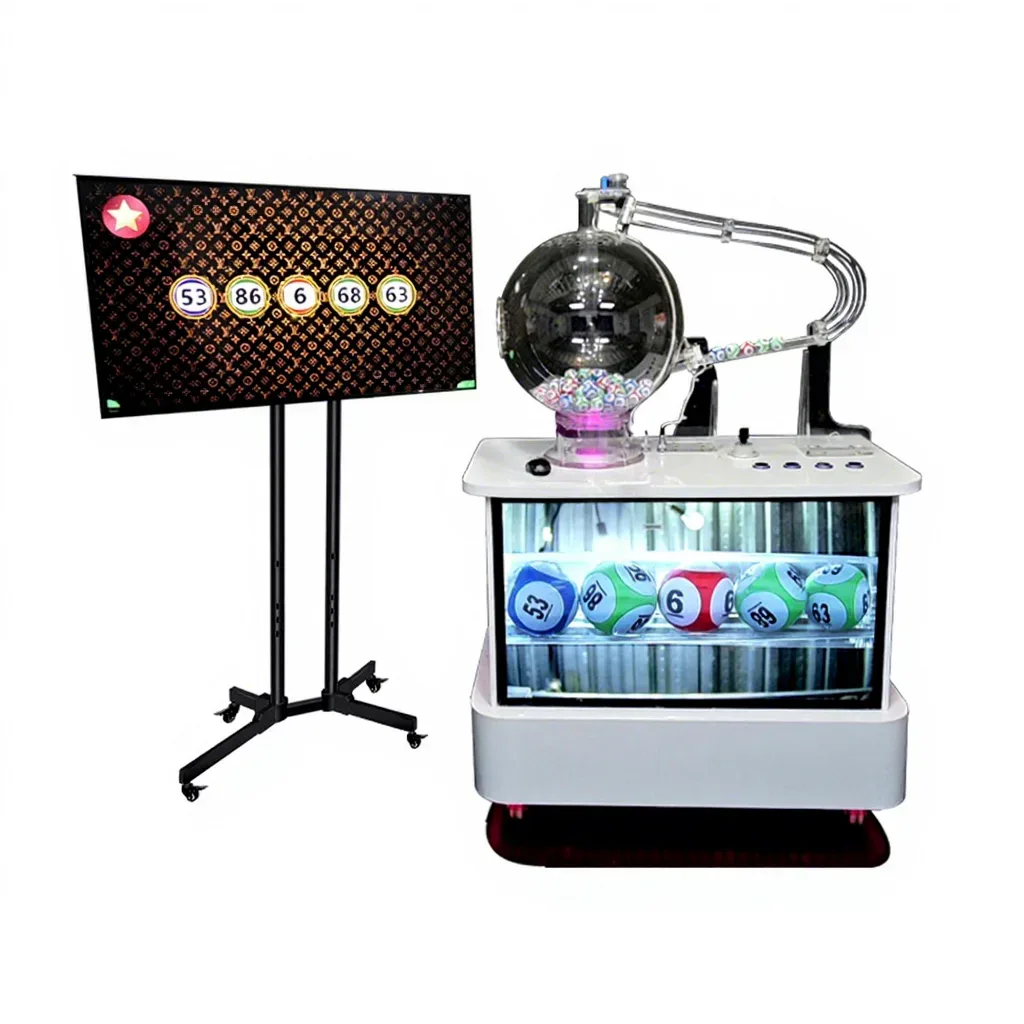
RFID is radio-frequency identification: a reader detects a tagged ball and sends its number to a display or connected result workflow. It does not choose the winner. It identifies what the physical machine has drawn. RFID, data push and API functions should be quoted as separate line items because they affect readers, wiring, display logic, testing and documentation. On the 4D-V1, RFID, website, full-automatic and remote-control functions are documented as paid options. On the 1P420V RFID Air-Mix Lottery Machine with External LCD, RFID reads every drawn ball number and displays all numbers on an additional external LCD. The 1P420V model information recommends displaying three results, supports four to seven and does not recommend more than seven; confirm readability for the display layout being quoted.
What should buyers compare besides the base machine?
Compare the operating workflow, not just the cabinet photo. Ask whether the draw is host-operated or automatic, whether chambers release individually or simultaneously, whether balls return to the chamber or stay visible in a result tray, and how the operator confirms the result before reset. The 1D-6D Lottery Machine with TV and Separate Console is a good example of control-position planning: it uses air-blower mixing with 40 mm solid balls in a 50-ball transparent drum, and the separate operator console can be placed up to 50 m from the machine. That distance helps a studio or public draw keep the operator outside the main camera view, but the buyer still needs to confirm floor layout, cable route, power and acceptance steps before production.
Which published model facts help make an itemized quote clearer?
We prefer line-item quotations because two machines with the same headline ball count can have very different build scope. The table below shows the kind of evidence procurement teams should attach to a request. It keeps the discussion concrete and avoids guessing at a public price range.
| Quote line | What to specify | Jisun model evidence |
|---|---|---|
| Cabinet size and access | Room size, doorway, camera angle, service side | 1P420V RFID model: confirm its cabinet drawing and external LCD envelope for the quoted configuration |
| Ball pool and format | Total balls, balls per chamber, winners per round | 6D-V2: six chambers, 120 balls total, 20 balls per chamber |
| Display scope | Built-in screen, external LCD, one display per digit | 4D-V1: four cylinders and four dedicated displays |
| Control method | Push button, automatic sequence, separate console | Separate-console model: console documented up to 50 m from the machine |
| Packing and freight handling | Export crate, fragile handling, forklift unloading plan | Several models ship in professional export wooden crates |
For transport planning, crate dimensions and handling marks matter. A machine that rolls on casters inside a venue still needs wooden-crate protection and forklift planning before it reaches that venue.
When is a simpler alternative enough?
A physical lottery draw machine is useful when the audience needs to see the pool mixed, see a ball selected and read a result that can be confirmed before reset. If a small office only needs to pick one staff name privately, software may be enough. If the entries are paper slips, a manual raffle drum may fit better than a numbered-ball machine. But when the buyer needs repeatable public rounds, visible numbered balls, camera-friendly displays or a cabinet built around specific game rules, equipment selection becomes a purchasing decision. Visible mixing supports audience confidence, but it is not a legal certification of randomness. For regulated or audited games, buyers should request their required compliance documents separately and not assume a screen, RFID reader or CE mark covers gaming authorization.
What should we send Jisun for a precise configuration quote?
Send the game format first: 1D, 2D, Pick 3, Pick 4, Pick 5, 6D, bingo, lotto or 6+1. Then send the ball count, ball size preference, number of winners per round, whether balls return after selection, how many results must remain visible, and where the operator stands. Add the display requirement: no screen, built-in screen, external LCD, one screen per chamber, camera feed or RFID result reading. If branding matters, include logo panel position, color direction and whether the machine needs to match an existing studio set. We can then separate the base machine, chamber layout, screen package, RFID or data options, console, custom cabinet work and export packing in the quotation. For equipment purchase and customization, request a configuration quote.
A specification brief you can send for pricing
Copy this brief into your inquiry and fill the requirements you already know. Leave undecided functions as requested options so different suppliers quote the same base scope.
- Draw format and number range; balls per chamber and ball diameter/material if fixed.
- Results per round; sequential or simultaneous selection; whether drawn balls stay out until reset.
- Manual reading, screen display or RFID identification; any requested recording or data interface.
- Quantity, destination voltage/frequency, available installation space and branding.
- Delivery destination and preferred freight scope; ask for packing size, gross weight and unloading requirements.
Request separate lines for the base machine, ball set, optional controls/displays, cabinet changes, packing and freight. There is no verified public price list in this guide, so no numerical price range is implied. Compare the 50-ball P350 with the custom bingo blower configuration, then send the completed specification brief.
Request a quote with your completed brief, quantity and delivery destination.
Equipment Discussed in This Guide
Use the model photos, available demonstrations and specification sheets to check the equipment discussed above. Specifications apply to each named model.
Frequently Asked Questions
- Why can two lottery draw machines with the same ball count quote differently?
- Because ball count is only one part of the build. Chamber count, screens, RFID reading, console placement, cabinet size, automatic return and export packing can all change the configuration scope.
- Does RFID make the machine select the winning number electronically?
- No. In this equipment context, RFID identifies the physical ball after it is drawn and can send the result to a display or system. The draw mechanism remains a physical ball draw.
- Should a Pick 4 buyer price one large chamber or four separate chambers?
- That depends on the game rule. If each digit must come from its own 0-9 pool, a four-chamber Pick 4 machine with one display per digit is usually the clearer configuration to quote.
- Why should screen quantity be specified before asking for cost?
- Screens affect cabinet layout, wiring, result visibility and testing. Some machines use one front screen, while multi-cylinder models may use one display per chamber or an external audience screen.
Related Buying Guides
Automatic vs Interactive Lottery Draw Machine
A practical buyer guide for choosing automatic or interactive operation on a physical lottery draw machine. Covers workflow, timing, result verification, screens, consoles, and quotation inputs for Jisun custom builds.
High-Capacity & 50,000-Ticket Draws: Single Large-Pool Ball Machine vs Multi-Digit Pick System
Use a large single-pool ball machine when you have 100 to 2,000 entries and want every ticket mapped to one physical ball without replacement. Once entries pass 2,000—such as 5,000 to 50,000 competition tickets—switch to a multi-digit chamber machine with a pre-published valid-range and redraw rule.
Air-Mix vs Mechanical Lottery Machines: Comparing Capacity, Ball Type, Power and Draw Workflow
Air-mix lottery machines use airflow in transparent chambers for fast 10–200 ball draws and multi-cylinder digit games. Mechanical rotating-arm machines tumble 50 to 2,000 solid or ping-pong balls at lower motor wattage when large single pools and open front viewing matter most.