← Lottery Ball Machines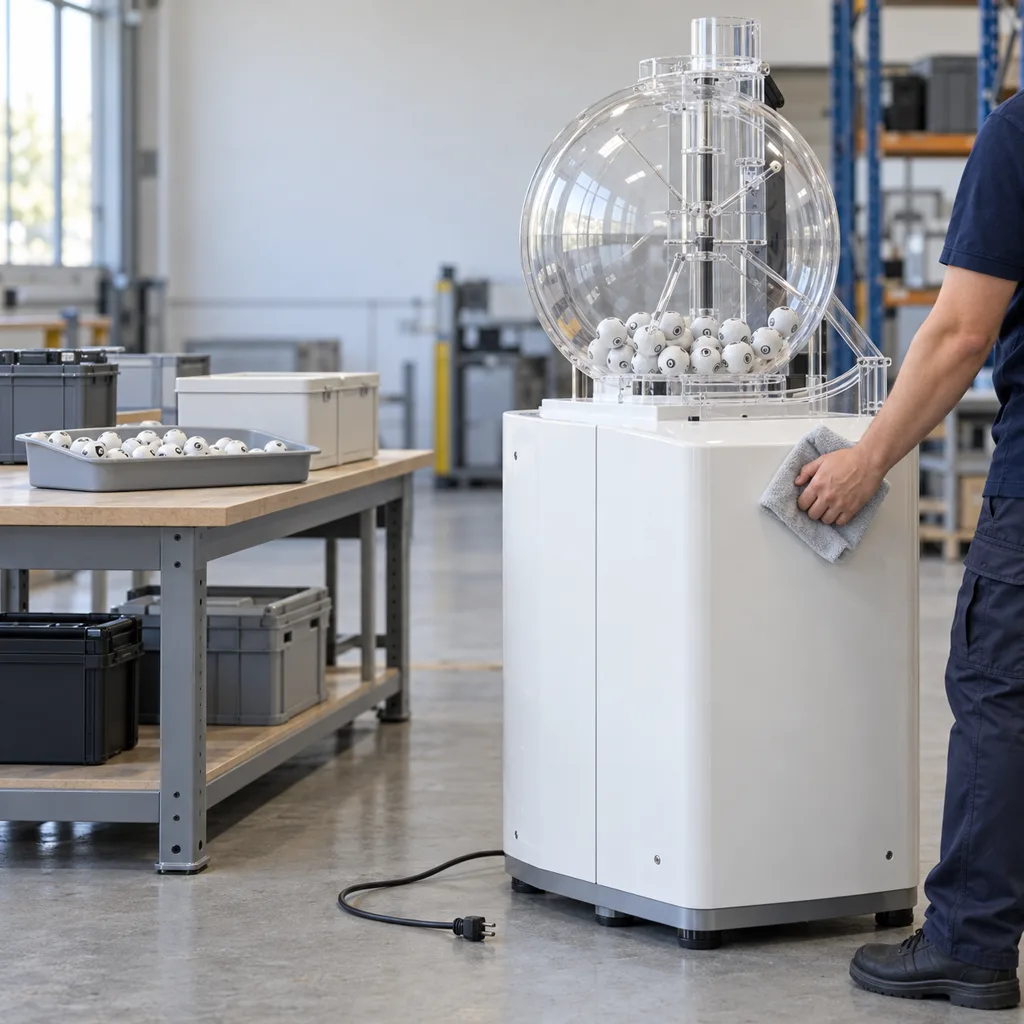
Lottery Ball Machine Maintenance: Daily Care Checklist
Daily lottery ball machine maintenance means gently cleaning accessible surfaces, checking ball condition and numbers, recording set identity, and storing equipment dry. Stop the draw when operation or result presentation becomes abnormal.
Written by Jisun Product Team
For daily lottery ball machine maintenance, we recommend a simple routine: clean accessible exterior surfaces gently, inspect numbered balls, record which set is in use, and store equipment dry and protected. Stop drawing if movement, release, return or result presentation becomes abnormal. Our documented care instructions for the 1D Bingo Blower specify a soft damp cloth, no special detergent and no sharp tools.
What should daily lottery ball machine maintenance cover?
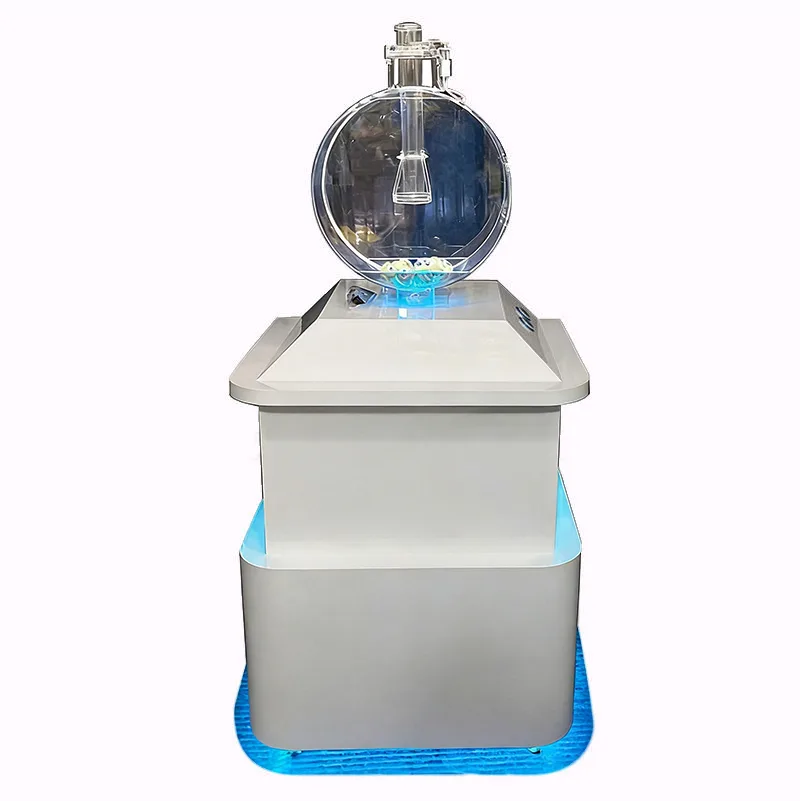
A lottery ball machine is physical equipment that mixes numbered balls and selects balls to produce a visible result. For buyers planning regular operation, the daily maintenance decision is straightforward: is the equipment clean, is the intended ball set complete and readable, and does the draw proceed normally? We recommend checking before each operating session and cleaning after use. Between consecutive draws, concentrate on result verification and a complete reset; repeat the condition check if something changes. For occasional use, perform the same routine before operation and before storage. A dated paper checklist can suffice for a single machine. We recommend a shared log when several operators or ball sets are involved, so the next person can see what was checked and what remains unresolved.
How should operators clean accessible surfaces without scratching them?
For the 1D Bingo Blower Machine for Custom Lotto Draws, our care instructions specify a damp soft cloth, no special detergent and no contact with sharp tools. The MS04 care rule likewise calls for a soft damp cloth without special cleaning agents. Stop the machine and disconnect its power before wiping accessible exterior surfaces. Keep moisture away from controls, openings and electrical connections. Use gentle pressure and a clean cloth; don't scrape away a stubborn mark. Protect the clear surfaces. Scratching can obstruct the operator's view of balls and the draw path. This exterior routine does not require opening housings or reaching into mechanisms. If contamination cannot be removed with the documented method, describe its location to us before trying another cleaning product.
Which ball checks should happen before a draw?
We recommend inspecting the intended set for visible cracks, dents, deformation, surface damage and numbers that are difficult to read. Check the number sequence against the set record, including missing or unintended duplicate numbers. Keep a questionable ball out of service and pause any draw requiring that complete set. Don't make an unrecorded substitution. The pool structure matters: a common pool and separate digit pools need different records. The examples below show why the machine identity belongs on the checklist. These are named-model configurations, rather than a loading rule for our whole range.
| Named equipment | Documented ball arrangement | Daily record focus |
|---|---|---|
| MS04 49-Ball Lottery Draw Machine | 49 solid balls as standard; 7 selected in a 6+1 sequence | Account for the common pool and distinguish main results from the extra result. |
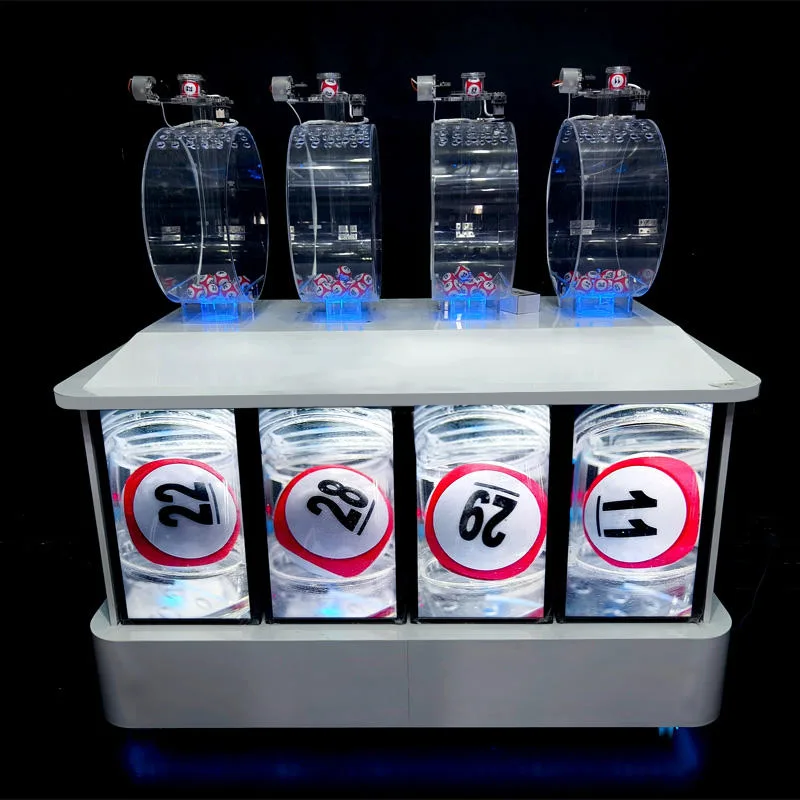
| 4D-V1 Multi-Cylinder Pick 4 Lottery Machine | 4 independent air-blown cylinders; up to 10 solid EVA balls per cylinder | Record and check each chamber's assigned set separately. |
What should we record about the machine and ball set?
Our recommended daily log identifies the machine, operating date, operator, ball-set identity, expected number range and actual count. For separate digit chambers, add the chamber position beside each assigned set. A set identity can be a label on its storage container linked to an inventory record; it does not require marking the balls themselves. Record visible damage, unclear numbering, cleaning completed and any unresolved fault. Keep the notes specific. “Ball number difficult to read” tells the next operator more than “checked.” For the 4D-V1 Multi-Cylinder Pick 4 Lottery Machine, the independent cylinders make chamber assignment particularly relevant. A simple paper record is sufficient when it clearly preserves set identity and exceptions between operating sessions.
What should operators observe during selection and reset?
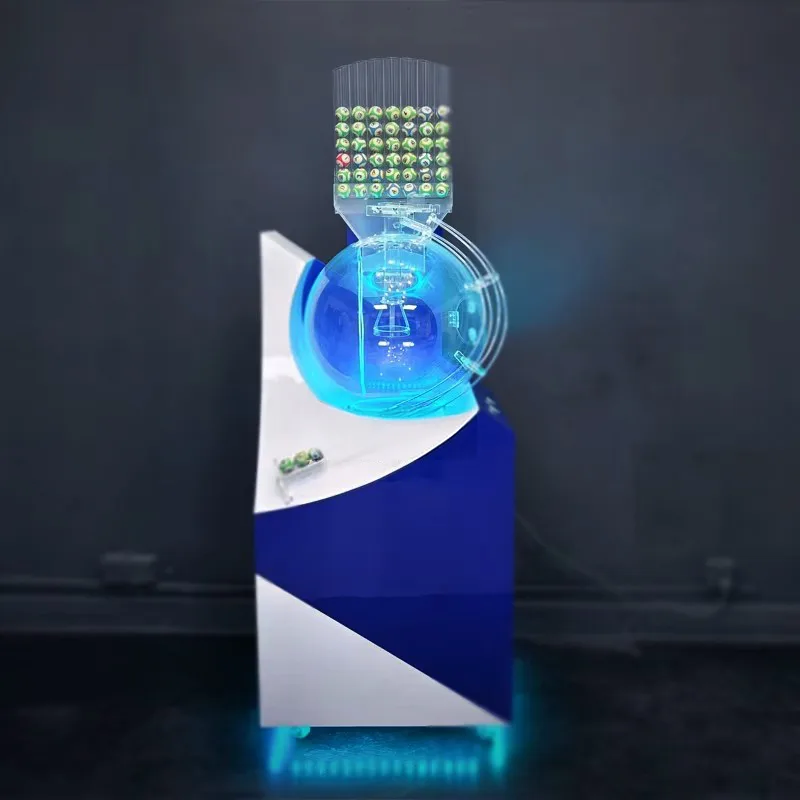
Prepare the intended selection pool before starting, observe the visible draw, verify the selected number and its position, then complete the reset required by the game rules. We recommend recording results before clearing their physical presentation. On the LP500 Air-Mix Bingo Lottery Machine, drawn balls appear in sequence on a transparent side track. That makes the track part of the daily visual check: confirm that results remain readable and the accessible viewing surface is clear. For independent digit draws, preserve the chamber-to-position mapping rather than treating all balls as one pool. Confirm that reset is complete before another draw begins. Visible mixing helps observers follow the process; it does not establish certified randomness or replace the operator's result checks.
When should an operator stop instead of continuing the session?
We recommend stopping when there is unexpected noise, unusual vibration, interrupted ball movement, a failed release, an incomplete return or a discrepancy between the selected ball and its displayed result. Stop for damaged clear panels or an unreadable required number, too. Preserve the current result and ball positions where practical, record what happened, and prevent another operator from restarting the machine unknowingly. Don't repeatedly trigger a stalled selection or reach into a moving mechanism. Daily care should identify the problem. It should not become an improvised repair procedure. When contacting us for technical support, include the machine identity, set identity, stage of the draw and observed symptom. Cleaning alone is not a reason to resume after an unresolved operating fault.
How should the machine and balls be stored after use?
After recording the final result, complete the normal reset, stop the machine and disconnect power. We recommend wiping accessible exterior surfaces with the applicable model's documented method, then allowing them to dry before covering. Store the equipment in a dry, protected location where other items cannot strike or rub against clear panels. Keep removable ball sets in separate labelled containers, with their inventory records, rather than combining loose balls from different machines. Isolate any damaged or unreadable balls and mark the affected set as incomplete. For the 1D Bingo Blower, the documented export packaging carries keep-dry and fragile symbols; our daily storage recommendation follows those handling concerns without treating an export crate as a required everyday cover. Check condition again after a long idle period.
What maintenance access should buyers discuss before ordering?
When buyers ask us to configure equipment for frequent use, we start with the cleaning and checking workflow. Tell us the ball count and diameter, common-pool or independent-digit format, daily operating frequency, reset method, preferred controls, available space and installation location. We can discuss custom design options such as additional clearance around viewing areas or a cabinet layout that gives operators easier access to exterior surfaces. These are proposed order features, rather than standard features of every model. If a basic console and visible ball presentation meet your needs, extra screens and integration may add unnecessary checking tasks. Compare our Lottery Ball Machines around the workflow your team will actually maintain.
Send us your draw workflow, ball-set requirements and cleaning-access priorities to request a quote for a Jisun lottery ball machine or custom configuration.
Equipment Discussed in This Guide
Use the model photos, available demonstrations and specification sheets to check the equipment discussed above. Specifications apply to each named model.
Frequently Asked Questions
- Does routine cleaning require a special detergent?
- For the 1D Bingo Blower Machine for Custom Lotto Draws and the MS04, the documented care method uses a soft damp cloth without special detergent or cleaning agents. Keep sharp tools away from their surfaces.
- What should happen if a required ball number becomes unreadable?
- We recommend pausing the affected draw, separating the questionable ball and recording the set as incomplete. Restore a complete, readable set before resuming; avoid an unrecorded substitution.
- How should chamber assignments appear in a daily care log?
- For the 4D-V1 Multi-Cylinder Pick 4 Lottery Machine, record the assigned ball-set identity against each independent cylinder. This keeps condition checks and missing-ball notes tied to the correct result position.
- Which result area needs attention on the LP500?
- The LP500 Air-Mix Bingo Lottery Machine presents drawn balls in sequence on a transparent side track. Check visibility there, verify the result order and record results before clearing the presentation.
Related Buying Guides
Automatic vs Interactive Lottery Draw Machine
A practical buyer guide for choosing automatic or interactive operation on a physical lottery draw machine. Covers workflow, timing, result verification, screens, consoles, and quotation inputs for Jisun custom builds.
High-Capacity & 50,000-Ticket Draws: Single Large-Pool Ball Machine vs Multi-Digit Pick System
Use a large single-pool ball machine when you have 100 to 2,000 entries and want every ticket mapped to one physical ball without replacement. Once entries pass 2,000—such as 5,000 to 50,000 competition tickets—switch to a multi-digit chamber machine with a pre-published valid-range and redraw rule.
Air-Mix vs Mechanical Lottery Machines: Comparing Capacity, Ball Type, Power and Draw Workflow
Air-mix lottery machines use airflow in transparent chambers for fast 10–200 ball draws and multi-cylinder digit games. Mechanical rotating-arm machines tumble 50 to 2,000 solid or ping-pong balls at lower motor wattage when large single pools and open front viewing matter most.