← Lottery Ball Machines
How to Run a Raffle With Numbered Balls
Run a numbered-ball raffle by freezing eligible entries, matching each entry to a unique ball number and publishing the winner rules before drawing. Show each selected ball, verify its entry and record the prize handoff before resetting.
Written by Jisun Product Team
To run a raffle with numbered balls, freeze the eligible entry list, assign each entry a unique number and agree winner, absence and redraw rules before starting. Check the ball pool, draw visibly, record each result and verify the matching entry before handing over its prize. We recommend planning that complete sequence before choosing how to present the draw.
What kind of raffle are you organizing?
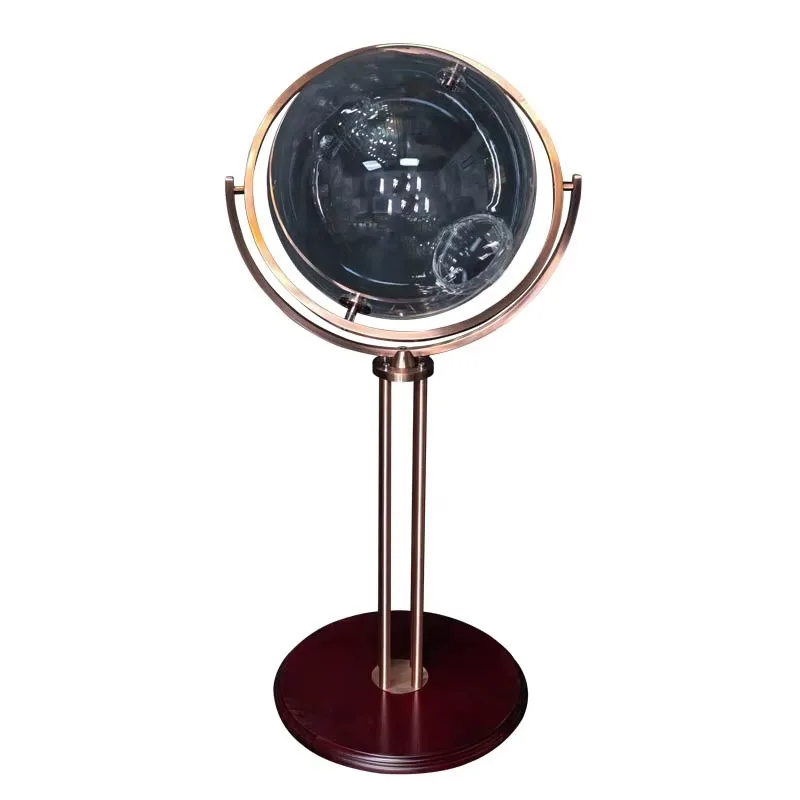
Start with the outcome: how many prizes will you award, who can enter, and must winners attend? A numbered-ball raffle is a physical selection process in which each drawn ball identifies an eligible entry through a prepared number list. A ticket is the participant's entry record; a ball is the object used for selection. They serve different jobs. For a small, occasional gathering, a hand-operated container may suffice. Our Rotating Sphere Lottery Box on Stand with 400 mm Globe is turned by hand and allows participants to draw through its opening; that model can hold numbered balls or paper tickets. Choose one method for your event. For recurring draws with a watching audience, plan clear sightlines and a repeatable operating sequence.
Which rules should you settle before entries close?
Write the rules before accepting entries, then keep them available at the draw. State eligibility, the entry deadline, prize order, whether multiple entries are allowed, whether one person can win again, and how absent winners claim. Agree whether selected balls stay outside the pool or return before another selection. Drawing without replacement means a selected ball stays out of the pool; drawing with replacement means it returns before the next selection. These choices affect repeat results. We also recommend specifying the response to an unreadable ball, an interrupted draw and an unclaimed prize. Organizers confirm applicable local requirements before proceeding. Equipment selection does not establish raffle legality.
How do you match eligible entries to numbered balls?
Freeze one final eligibility list at the announced deadline and give it a version or closing timestamp. Assign a unique number to every eligible entry, keeping the participant's identity and claim details in the private register. If multiple entries are permitted, each entry needs its own number; one number per person would represent a different selection pool. Check for duplicate assignments, missing numbers and entries added after closing. Every loaded ball must map to exactly one eligible entry, and every eligible entry must have its corresponding ball. We recommend using the entry number on the public result board rather than displaying personal contact details. Keep leading zeros consistent between tickets, balls and the register.
What should the team prepare before the audience draw?
Assign an operator, a result recorder and someone to verify claims. At smaller events, people may combine roles, but have a second person check the pool and each recorded result. Count the balls against the frozen register and inspect their markings and condition. Use a compatible matched ball set; don't add improvised balls to fill gaps. Position the draw point where the audience can see it, with the prize desk away from the controls. Run a rehearsal separately, then restore and recount the complete eligible pool. We recommend preparing a result sheet with fields for draw order, prize, ball number, verification, claim status and any exception before the first live selection.
Numbered-ball raffle runbook
| Stage | Team action | Record to retain |
|---|---|---|
| Close entries | Freeze eligibility and assign unique entry numbers. | Register version and closing timestamp. |
| Check pool | Match every loaded ball to an eligible entry. | Ball inventory and second check. |
| Draw | Show the ball, read its number and confirm it. | Draw order, prize and visible number record. |
| Resolve absence | Apply the published response window and redraw rule. | Calls, claim status and any replacement reason. |
| Hand over prize | Check entry evidence and obtain acknowledgment. | Verified entry, prize and claim time. |
| Continue | Apply the agreed removal or replacement rule. | Updated eligible pool and excluded entries. |
How should you conduct and record each visible selection?
Announce the prize and applicable rules, show the prepared pool, then operate the draw using the equipment's agreed procedure. Let the audience see the selected ball before anyone clears it. Read its number aloud, have the verifier confirm it, and enter it on the visible result board and master record. Our LP500 Air-Mix Bingo Lottery Machine with LED Lights displays drawn balls in sequence on a transparent side track, which supports this presentation step. A display track is not your entry register. Check the physical number against the frozen mapping before announcing a confirmed winner. Visible mixing helps people follow the process; it does not establish certified randomness.
What happens if a winner is absent or cannot claim?
Apply the published absence rule consistently. If attendance is required, use the announced response window and record the calls before following the agreed redraw procedure. If attendance is optional, preserve the result and use the private register to contact the winner through the published claim process. An empty prize desk is not permission to redraw. We recommend separating three statuses: selected entry, verified winner and completed claim. If a number has no matching entry, pause and investigate the pool or register discrepancy under the prewritten exception procedure. Keep the original selection visible in the record, including the reason and authorization for any replacement selection. Never quietly overwrite an inconvenient result.
How do you verify winners and hand over prizes?
Match the selected number to the frozen register and check the claimant's entry evidence using the identification process stated in your rules. A matching ticket number connects the claim to an entry; the drawn ball remains part of the draw record. Record the prize description, confirmed entry number, claim time and recipient acknowledgment. Keep personal information off the public board. If someone disputes a claim, mark it pending and preserve the supporting records while the designated organizer reviews it. We recommend keeping prize handoff separate from the draw controls so a queue cannot interrupt selection. At the end, reconcile every prize against its recorded status: handed over, awaiting claim or otherwise resolved under the published rules.
How do you reset the pool without changing eligibility?
Reconcile drawn and remaining balls before resetting. If your rules prohibit repeat winners, exclude the winning entry—or all entries belonging to that person if the rules say so—before continuing. Confirm that the equipment's return behavior supports that workflow. Independent digit draws build a number from separate positions; a common-pool selection chooses an entry directly from one numbered set. These formats need different mapping rules. We organize our Lottery Ball Machines around the required draw workflow. For recurring events, we can propose custom options for result retention and controls. Send your ball count and diameter, prize sequence, removal rule, operating frequency, audience size, available space and installation power requirements to request a quote.
Equipment Discussed in This Guide
Use the model photos, available demonstrations and specification sheets to check the equipment discussed above. Specifications apply to each named model.

Frequently Asked Questions
- Should each participant or each entry receive a ball number?
- Assign one unique ball number per eligible entry. If your rules allow several entries per participant, each entry needs a separate number and a corresponding record in the frozen register.
- Can an absent winner be replaced immediately?
- Only follow the absence and redraw procedure published before the draw. Where attendance is optional, retain the selected result and follow the stated contact and claim process.
- What should the recorder do if a ball number has no matching entry?
- Pause the draw, preserve the selected number and investigate the mismatch against the frozen register and ball inventory. Record any replacement selection and its reason under the agreed exception procedure.
- How do we prevent someone with several entries from winning twice?
- If your published rules limit each person to one prize, remove all remaining entries belonging to the verified winner before continuing. Removing only the selected ball would leave that person's other entries eligible.
Related Buying Guides
Automatic vs Interactive Lottery Draw Machine
A practical buyer guide for choosing automatic or interactive operation on a physical lottery draw machine. Covers workflow, timing, result verification, screens, consoles, and quotation inputs for Jisun custom builds.
High-Capacity & 50,000-Ticket Draws: Single Large-Pool Ball Machine vs Multi-Digit Pick System
Use a large single-pool ball machine when you have 100 to 2,000 entries and want every ticket mapped to one physical ball without replacement. Once entries pass 2,000—such as 5,000 to 50,000 competition tickets—switch to a multi-digit chamber machine with a pre-published valid-range and redraw rule.
Air-Mix vs Mechanical Lottery Machines: Comparing Capacity, Ball Type, Power and Draw Workflow
Air-mix lottery machines use airflow in transparent chambers for fast 10–200 ball draws and multi-cylinder digit games. Mechanical rotating-arm machines tumble 50 to 2,000 solid or ping-pong balls at lower motor wattage when large single pools and open front viewing matter most.