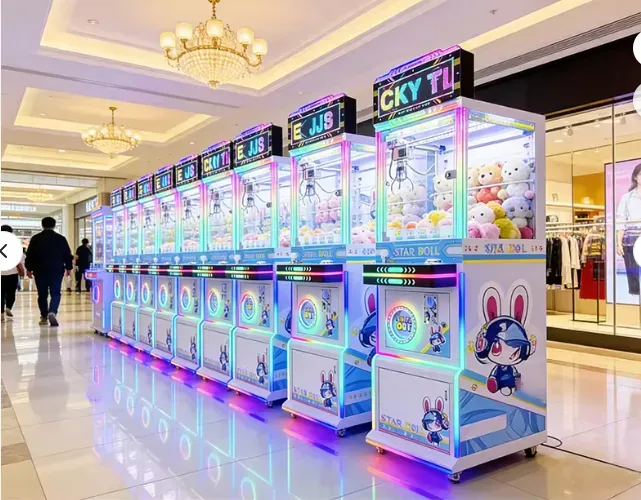
← Claw Machine Manufacturer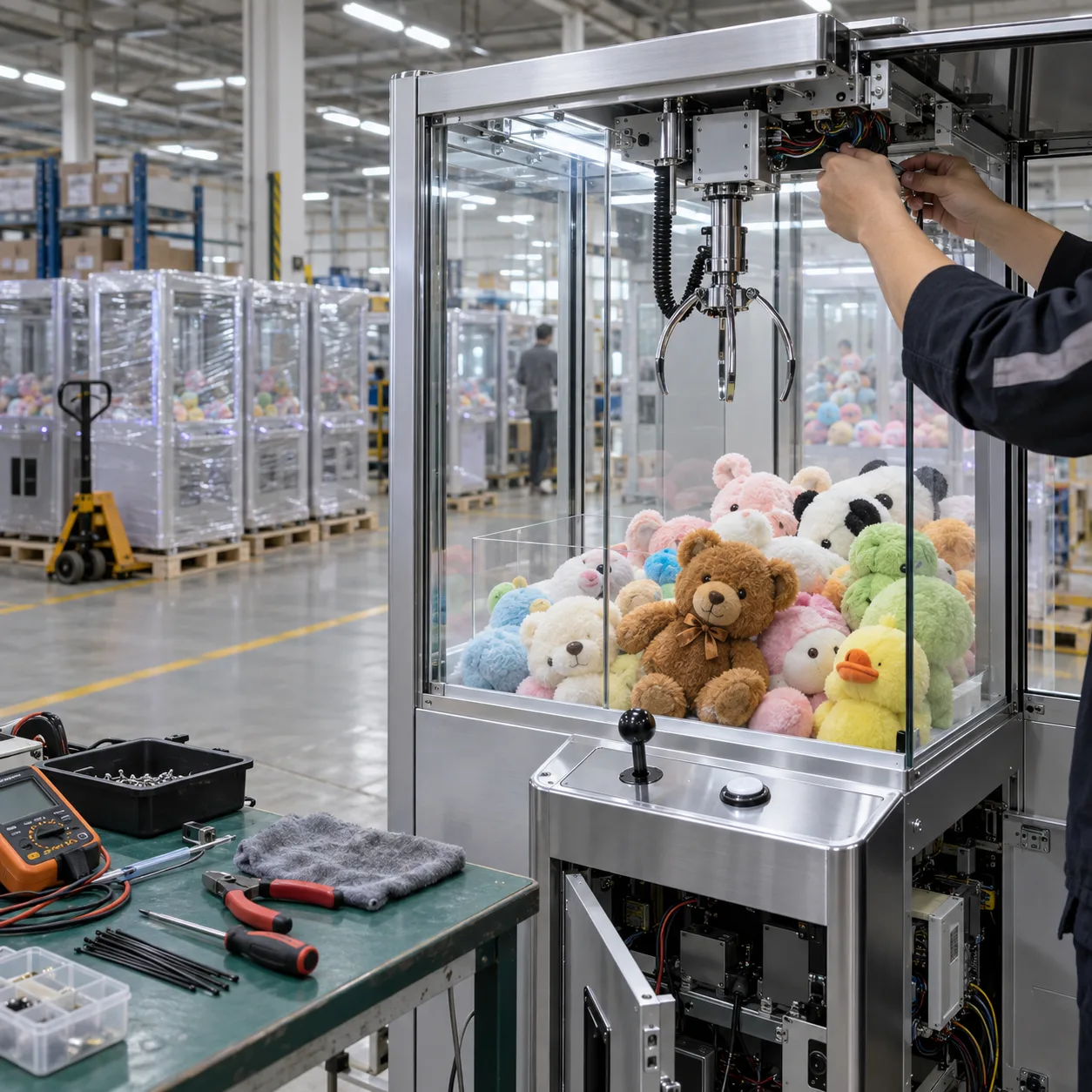
A symptom table helps organize evidence; it is not permission to bypass guards or continue a hazardous test. Send model-specific observations before replacing parts at random.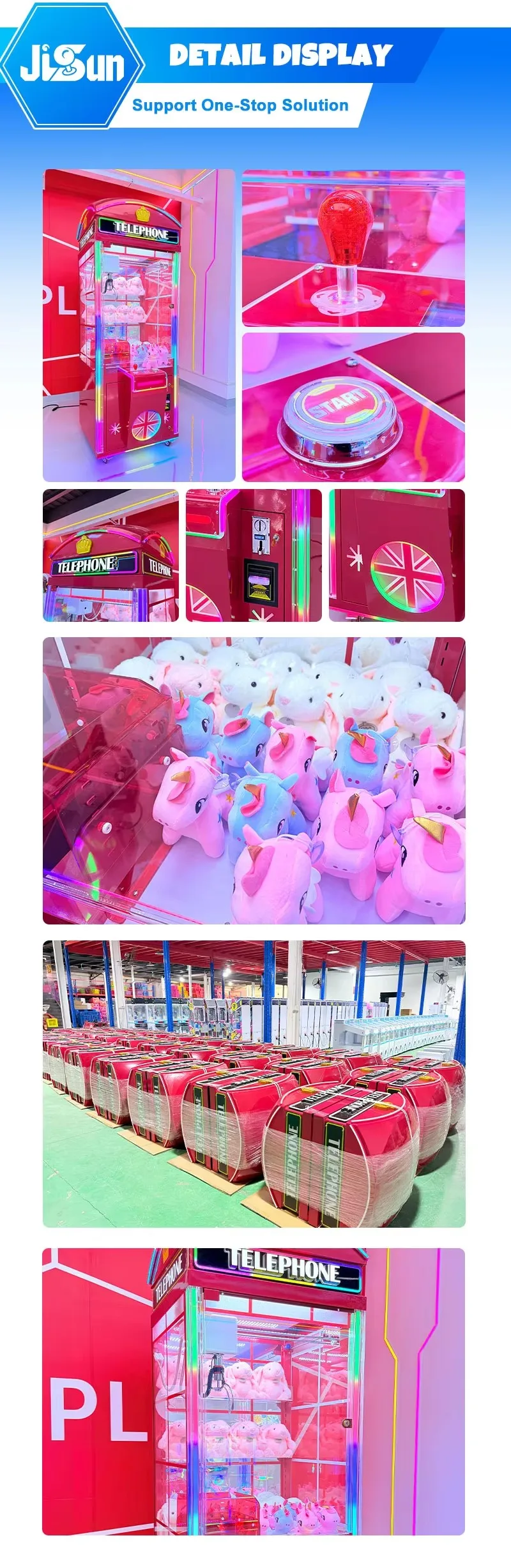
Commercial Claw Machine Maintenance: Checks and Fault Triage
Maintain a claw machine by keeping the prize path clear, checking the visible play sequence and recording faults against the exact model. Separate routine operator observations from internal mechanical or electrical service. Use the supplied manual for access, isolation and approved cleaning; the schedule below is an operating checklist to adapt, not a universal factory service interval.
Written by Jisun Product Team
What should staff check before opening?
Inspect the exterior, controls, viewing panels and collection outlet for damage or obstruction. Confirm the cabinet is in its approved position and that customer and service routes remain clear. Check that the displayed prize and payment instructions match the active configuration. Run an authorized test round and observe start, travel, lowering, lifting, return and collection where applicable. Keep test plays identifiable in the operating record. Stop public use if movement is abnormal, a guard or panel is damaged, a cable is exposed or the machine reports a fault. Do not keep accepting payments while hoping an intermittent problem resolves itself.
How should cleaning and internal access be handled?
Follow the exact model and payment-device instructions. Switch off and isolate as required before opening service areas, and use only approved cleaning materials and procedures. Avoid spraying liquid into controls, readers or the crane assembly. Remove loose tags and damaged packaging through the approved access route; do not reach through the customer chute into a moving mechanism. Do not lubricate rails, adjust wiring or alter grip settings merely because another machine’s maintenance advice suggests it. Qualified service work should follow the supplied procedure, with the machine kept unavailable to guests until its checks are complete.
How can symptoms be separated before calling support?
Record what the player and machine actually did rather than naming an assumed failed component.
| Observed symptom | Initial non-invasive record |
|---|---|
| Payment accepted, no play | Reader message, credit display, time and station identity |
| Movement stops at one location | Direction, position, error code and whether prizes obstruct the path |
| Claw closes but drops the item | Approved prize identity, orientation, tags and recent assortment changes |
| Prize reaches chute but no confirmation | Visible outlet condition and displayed result |
| Unexpected noise or damaged part | Stop use and document the visible condition for service |
What changes after a new prize assortment is loaded?
Compare the new stock with the approved samples, including filled shape, fabric, accessories and packaging. Test pickup, travel and exit with the intended fill arrangement, then repeat at a partly depleted level. An apparent weak pickup can result from a different surface or balance rather than a failed coil. The Mini Claw Machine lists a particular D6 claw and small-plush application; those values do not define every cabinet’s approved merchandise. The Phone Booth Claw Machine documents a different doll-size range. Keep the merchandise record with the installed claw version and avoid changing several control settings at once while trying to diagnose a handling issue.
What records make repairs and warranty decisions easier?
Keep model and serial identity, installation date, selected power version, reader details and the approved configuration. For each fault, record the time, symptom, error message, recent changes and safe photos or video. Record the part number and revision when anything is replaced, then document the post-service test. Warranty coverage depends on the written terms for that order; do not assume a universal period or that wear items, local labor and freight are all included. Ask support which checks a local technician can perform and which require factory guidance. This makes the repair discussion specific and avoids incompatible replacement orders.
How should the maintenance routine be adjusted to usage?
Use an opening visual check, checks after a prize or configuration change, and the manufacturer’s prescribed service tasks as distinct activities. Review fault and intervention records to decide whether a high-use location needs more frequent observations or different refill timing. Track unavailable time and recurring symptoms, not only total plays. At closing, note unresolved faults and keep affected cabinets out of paid operation for the next shift. Before purchasing a new machine, include access to the crane, reader and collection path in the acceptance review. To contact Jisun about equipment or service planning, send the model, installed configuration, symptom record and the specific maintenance access you need confirmed.
Equipment Discussed in This Guide
Use the model photos, available demonstrations and specification sheets to check the equipment discussed above. Specifications apply to each named model.
Frequently Asked Questions
- Should staff lubricate crane rails on a generic weekly schedule?
- No. Use the selected model’s approved service instructions and materials. Routine observation does not authorize internal adjustment or lubrication.
- Can a prize change look like a claw fault?
- Yes. Shape, surface, tags and packing can alter pickup and exit behavior. Compare approved samples before assuming a component has failed.
- What information should accompany a replacement-parts request?
- Provide model and serial identity, component number or revision, symptom evidence and recent changes. Confirm compatibility and the required post-service check.
Related Buying Guides
Best Locations for Claw Machines: Operator Guide
The strongest claw machine locations pair visible foot traffic with natural waiting time, suitable audiences, and practical installation conditions. This guide explains how buyers can compare venues, test exact positions, and match cabinets to each site.
Claw Machine Distributor Opportunities
A factory-side guide to evaluating claw machine distributor opportunities for malls, arcades, FECs, cinema lobbies, and retail venues. Learn how Jisun supports wholesale buyers with cabinet choices, OEM/ODM options, and commercial specifications.
Cashless Claw Machines: Reader Integration and Acceptance
For buyers searching for a cashless claw machine manufacturer, the key is choosing a factory that can build commercial cabinets and customize the payment interface for your market.