← Claw Machine Manufacturer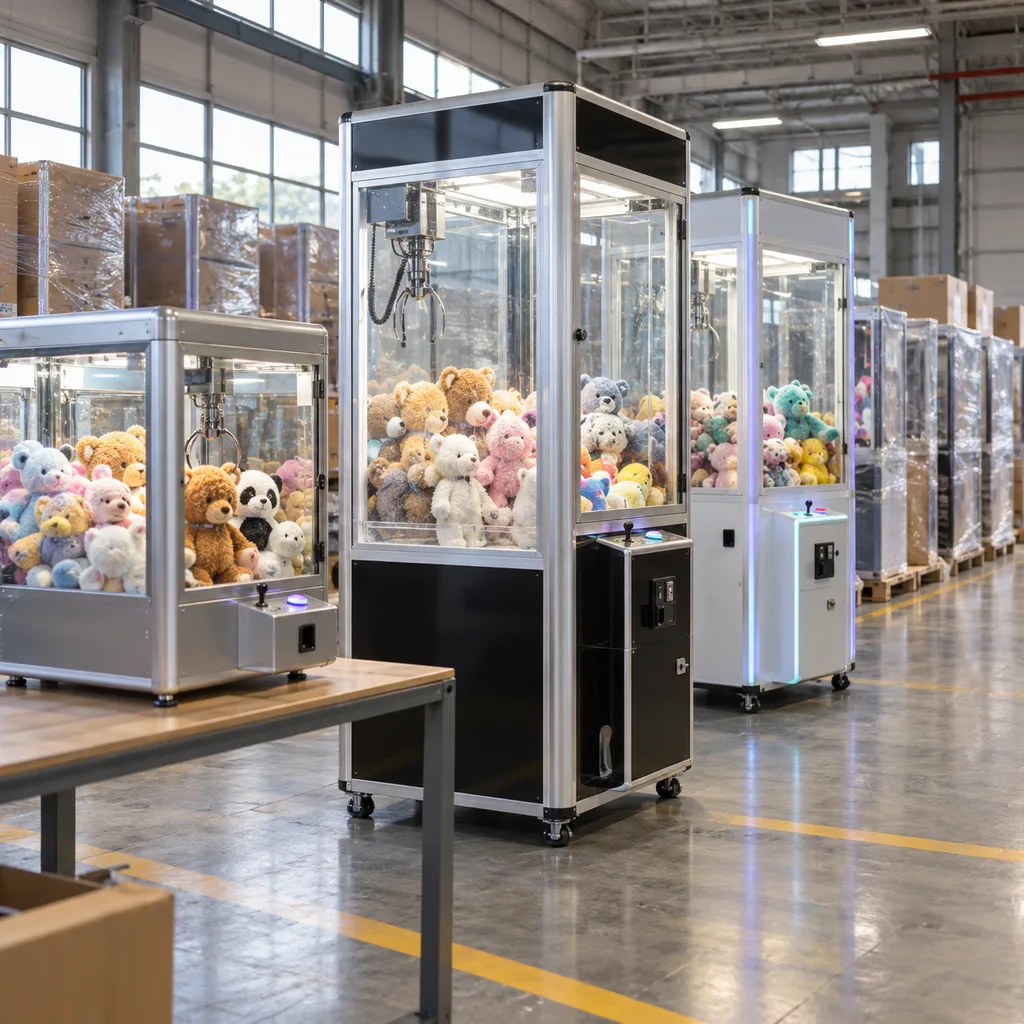
Use the actual written terms for each offer. A listed warranty period on one cabinet does not establish blanket coverage across the distributor range, and machine weight does not prove stability at every site.
Claw Machine Distributor Opportunities
A factory-side guide to evaluating claw machine distributor opportunities for malls, arcades, FECs, cinema lobbies, and retail venues. Learn how Jisun supports wholesale buyers with cabinet choices, OEM/ODM options, and commercial specifications.
Written by Jisun Product Team
Claw machine distributor opportunities work best when buyers can source reliable, venue-ready machines directly from a manufacturer, customize the cabinet for local markets, and build a product mix that fits malls, arcades, FECs, cinema lobbies, and supermarkets. In our factory, we focus on commercial cabinets, prize visibility, stable operation, and wholesale project support.
Which distributor business model are you actually planning?
Separate selling equipment to venue owners from owning a route of installed machines. A reseller needs product selection, local documentation, installation and after-sales responsibilities agreed with customers. A route operator also needs locations, prize replenishment, collections and service visits. The same cabinet can support either model, but the inventory and cash-flow assumptions differ. No territory, exclusivity or earnings claim is established by this article. Define which role you intend to perform before asking for dealer terms or building a branded catalog.
How should a distributor qualify a prospective venue order?
Ask for the proposed position, merchandise, player group, payment system and local service capability before promising a model. Confirm access from delivery to installation and who provides the required power and connectivity. A customer asking only for the cheapest machine may still have a prize or reader requirement that changes the configuration. Record the accepted scope and exclusions so the distributor does not sell an option the factory never quoted. A showroom demonstration should use the offered version or clearly identify what differs from the unit to be delivered.
How should a distributor define its initial product range?
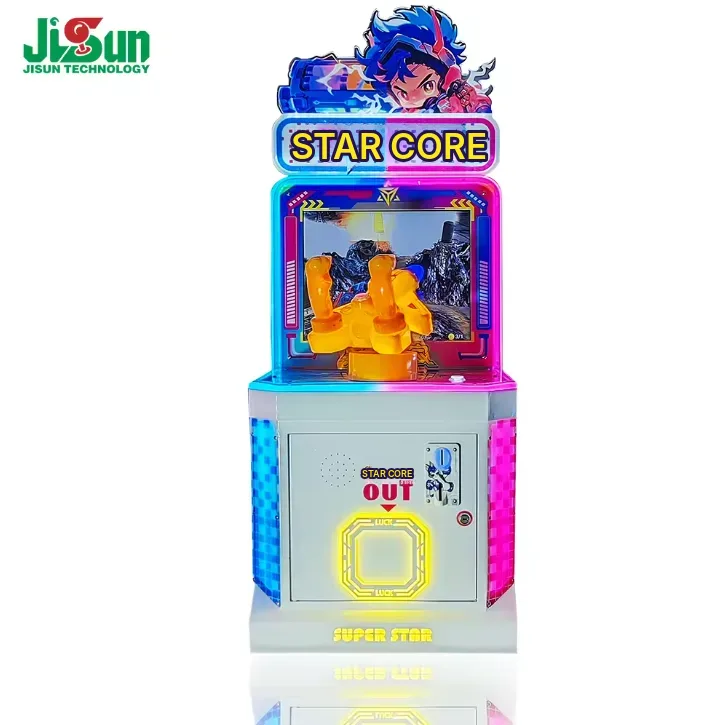
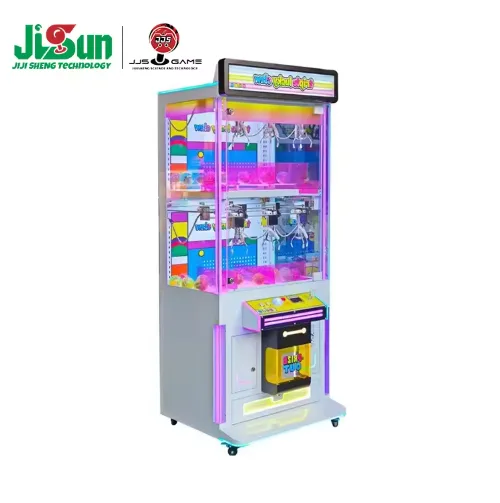
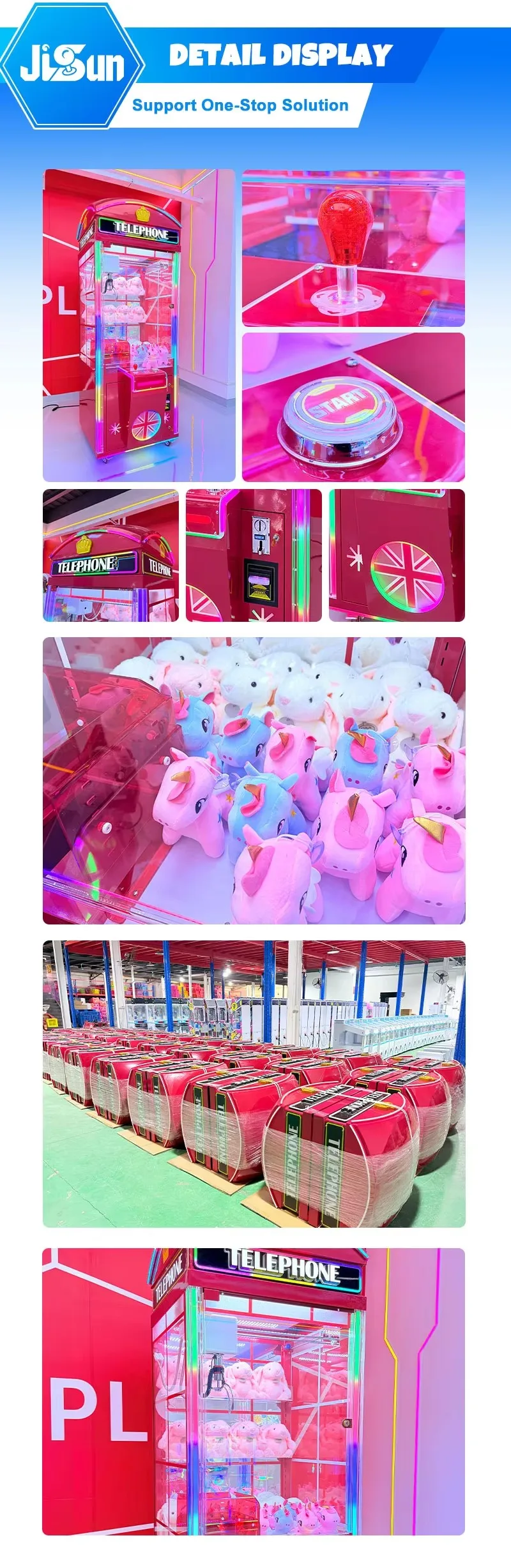
Start with a few clearly differentiated models and an approved merchandise plan for each. Star Core Claw Machine offers a compact cabinet direction with a 51 cm width and 52 cm depth, while Triple Lucky Claw Machine lists 80 cm width, 71 cm depth and 200 cm height. Phone Booth Claw Machine provides a larger-plush reference with its listed 24–30 cm doll range. Keep the installed claw and sample assortment associated with the quoted version. A short-round model can offer a different play experience, but do not market its timing as proven repeat demand. Choose the range that the local team can demonstrate, install and service consistently.
What local service capability should be built before expanding?
Choose a small initial model range whose parts, documents and operating behavior the local team can learn. Keep controller, reader and crane revisions identifiable. Agree a diagnostic escalation path with the factory and identify which modules can be replaced locally. Decide who pays for labor, spare freight and customer downtime under the actual commercial terms. Carrying generic spare boards without confirmed compatibility is not a service plan. A distributor’s value can be responsive installation and support, but that value needs real staffing and procedures rather than a factory-direct slogan.
What information belongs in a distributor model card?
Keep one controlled model card containing the supplier identity, configuration revision, dimensions, electrical version, installed reader, approved prizes and replacement-part references.
| Field | Use in local sales and service |
|---|---|
| Named model and revision | Prevents mixing similar cabinet specifications |
| Approved sample assortment | Connects the sales demonstration to the delivered setup |
| Reader and power selection | Identifies destination configuration and integration |
| Service and warranty scope | Separates parts, labor, freight and excluded wear items |
| Packed access | Supports the customer receiving plan |
How can OEM/ODM customization help distributors win local projects?
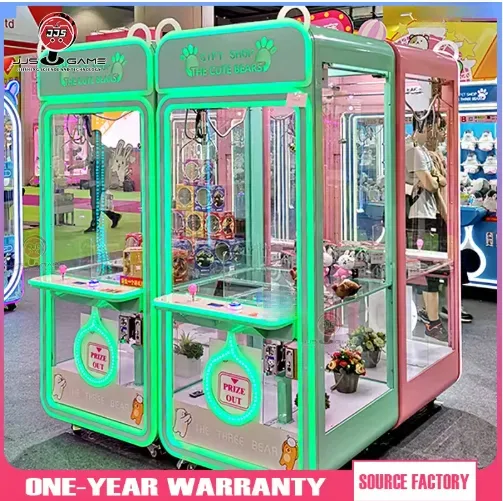
OEM/ODM customization helps distributors sell machines as part of a venue concept instead of offering generic equipment. Jisun supports OEM/ODM options for branding, cabinet style, and gameplay settings, and we can also discuss custom branding, cabinet artwork, and payment interface options for project orders. That matters when a distributor is supplying a chain cinema, mall event, family entertainment center, or retail promotion. A panda-themed cabinet can suit family and leisure venues, while a phone booth cabinet design creates high-visibility prize display for shopping malls and entertainment corridors. For product inspiration, compare the Phone Booth Claw Machine with the Panda Claw Machine. Different cabinets speak to different foot traffic.
Which commercial terms should be explicit in a distributor agreement?
Request written terms for pricing scope, order quantity, warranty responsibilities, replacement parts, artwork rights and use of product materials. If territory protection or exclusivity is sought, describe the territory, channels, duration and performance conditions for negotiation; none is implied by an inquiry or sample purchase. Separate equipment resale margin from route operating income. Include inventory holding, local delivery, installation and service costs in the resale calculation. Confirm how discontinued components or revised models are communicated so the local offer remains aligned with what can actually be supplied.
How should a new distributor position Jisun claw machines in the market?
A new distributor should position Jisun claw machines as commercial prize equipment from a source factory, not as toy-grade machines or short-life novelty items. Lead with venue fit, visible prizes, practical dimensions, and customization. Then match the product to the buyer: compact cabinets for smaller retail placement, the 80cm W x 71cm D x 200cm H upright cabinet for stronger venue presence, themed cabinets for family venues, and faster gameplay for high-traffic routes. The strongest pitches are concrete. Show the cabinet footprint. Explain that selected models support 8# dolls, approximately 24-30cm. Confirm power. Discuss branding early. When buyers ask us where to start, we usually recommend a focused model mix that proves demand before expanding into broader arcade equipment categories.
For distributor planning, send us your target country, venue type, preferred cabinet style, prize size, payment requirements, and estimated order quantity, then request a quote.
Equipment Discussed in This Guide
Use the model photos, available demonstrations and specification sheets to check the equipment discussed above. Specifications apply to each named model.
Frequently Asked Questions
- Does a Jisun inquiry grant territory exclusivity?
- No. Any territory or channel arrangement requires explicit written commercial terms; none is established by this guide.
- Is a distributor margin the same as route-machine income?
- No. Resale margin concerns equipment sold with its associated local costs. Route income also depends on operating sites, prizes, collections and maintenance.
- Why begin with a limited model range?
- A focused range makes it easier to learn configuration differences, identify compatible spares and establish a repeatable local support process.
Related Buying Guides
Best Locations for Claw Machines: Operator Guide
The strongest claw machine locations pair visible foot traffic with natural waiting time, suitable audiences, and practical installation conditions. This guide explains how buyers can compare venues, test exact positions, and match cabinets to each site.
Cashless Claw Machines: Reader Integration and Acceptance
For buyers searching for a cashless claw machine manufacturer, the key is choosing a factory that can build commercial cabinets and customize the payment interface for your market.
Commercial Claw Machine Maintenance: Checks and Fault Triage
Maintain a claw machine by keeping the prize path clear, checking the visible play sequence and recording faults against the exact model. Separate routine operator observations from internal mechanical or electrical service. Use the supplied manual for access, isolation and approved cleaning; the schedule below is an operating checklist to adapt, not a universal factory service interval.