← Claw Machine Manufacturer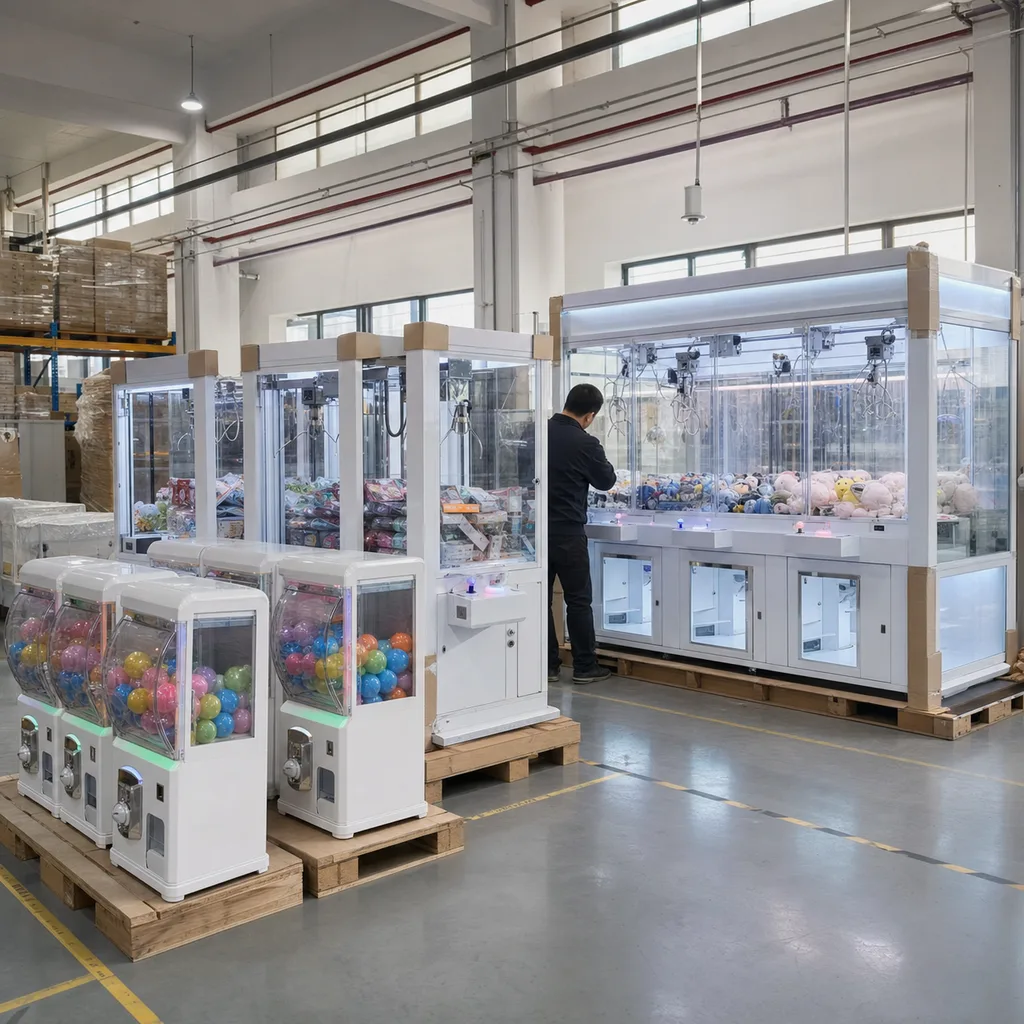
Keep unapproved requests in a separate change list until their effect on price and delivery is agreed.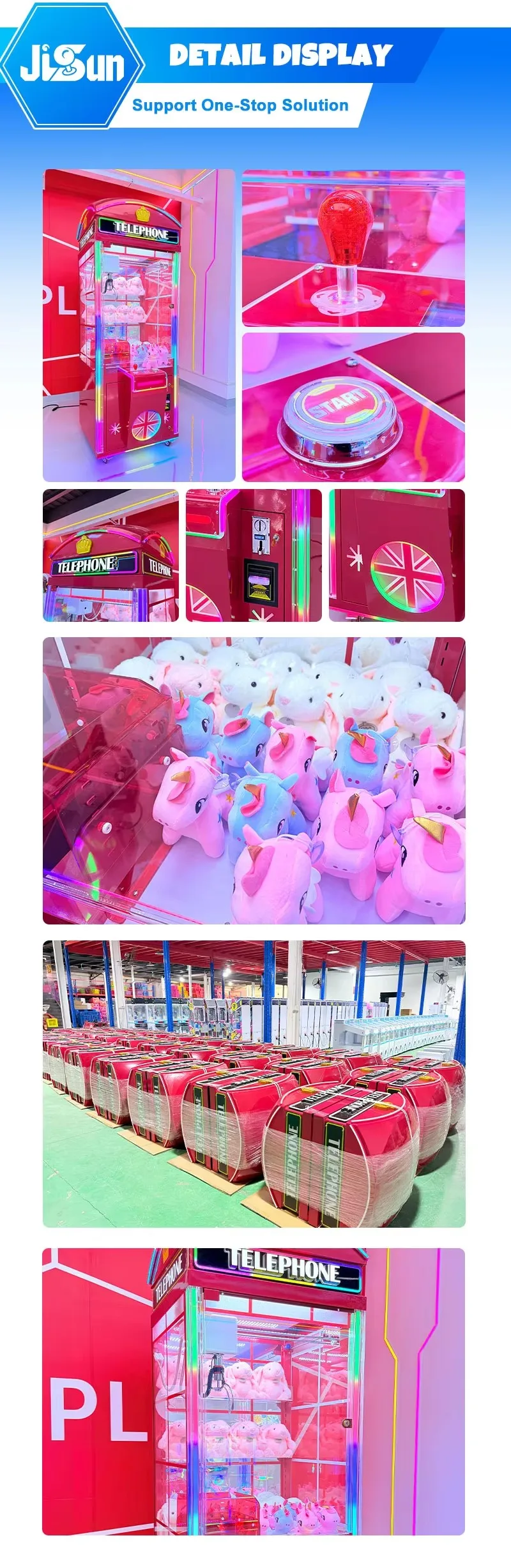
Buying Claw Machines in Bulk: A Multi-Site Order Plan
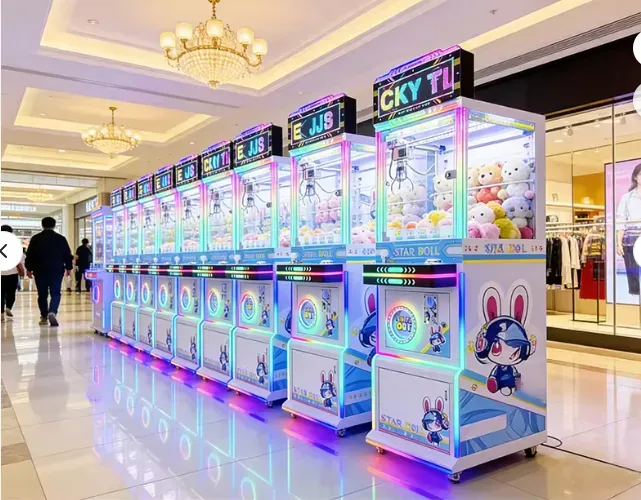
A bulk claw-machine order should be organized by destination, prize assortment and approved cabinet configuration. Buying several cabinets is not the same as buying one model repeatedly: payment hardware, artwork, electrical versions and delivery access can differ between sites. Use a station-by-station order register before asking for the final quantity price.
Written by Jisun Product Team
How should a bulk order be divided between locations?
Create one row for each destination and each cabinet version. Record the site contact, receiving constraints, approved prize assortment, payment system, language and artwork revision. A chain can share a visual identity while requiring different electrical or payment configurations. Do not combine those versions into one unqualified quantity line. Name the person who can approve changes for each site and set a cut-off for the production specification. If a venue is not yet confirmed, keep its units as a separately identified proposal rather than assigning an assumed configuration that may need rework after manufacture.
Which claw formats belong in the shortlist?
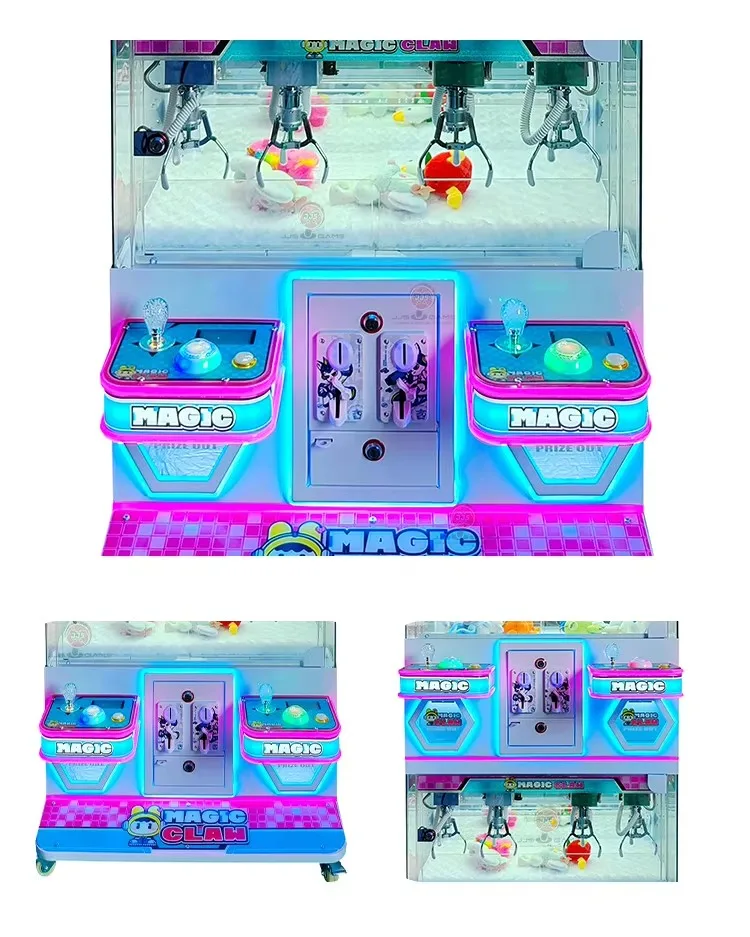
Match the format to the actual merchandise and available play position. Mini Claw Machine lists a 56 × 44 × 168 cm cabinet and 10–15 cm doll size. Phone Booth Claw Machine lists 86 × 80 × 220 cm and 24–30 cm doll size. Lucky Double Claw Machine lists four players and a 75 × 65 × 180 cm cabinet; its required operating area still needs a layout review. These are named model facts, not interchangeable bulk-order defaults. Send samples for pickup and chute testing before allocating a model to every venue. A cabinet that displays the merchandise attractively may still be unsuitable for its shape, tags or packaging.
What should the order register contain?
Use configuration codes that remain recognizable on the quote, approved sample, packing list and receiving checklist. A short version code is more useful than a long email description that changes during the order. The following fields separate commercial quantity from the engineering specification.
| Register field | Purpose |
|---|---|
| Site and quantity | Identify where each approved version will operate. |
| Model and revision | Link the physical cabinet to its accepted sample and drawings. |
| Prize sample reference | Keep the tested assortment attached to the correct claw setup. |
| Reader, power and artwork | Record the selected components and approved files rather than general options. |
| Packing and delivery batch | Match the right cabinet group to the intended receiving team. |
How can a pilot inform the batch without becoming a vague promise?
Define what the pilot is meant to resolve: merchandise handling, player understanding, payment start, service access or a particular venue layout. Record the exact configuration tested and the changes requested afterward. A successful pilot at one venue does not establish demand at every site. Before approving the batch, compare its component and artwork revision with the accepted version. Agree how substitutions are handled and which changes require another demonstration. Retain a record of unresolved defects and who will close them. A sample video alone is not a production acceptance record for every cabinet in a larger order.
How should staggered delivery and spare parts be planned?
Separate sites that are ready to receive equipment from those awaiting construction or approvals. Ask for the planned crate count, packed dimensions, gross weight and unloading needs for each dispatch; cabinet dimensions cannot replace these shipping figures. Confirm whether the receiving team can store, position and commission the machines before opening. List spare parts by the actual controller, crane, reader and cabinet revision, not only by a generic machine name. A shared spare is useful only where compatibility is confirmed. Specify how damaged-on-arrival items, missing accessories and incorrect site versions are recorded before cabinets are put into service.
What should a buyer approve before the bulk shipment?
Review the location register against the final labels and packing list. For each version, confirm the selected payment-to-play sequence, prize sample demonstration, service-door access and destination electrical label. Decide which checks apply to every unit and which are witnessed on an agreed sample; do not imply that an unspecified sampling method proves the entire batch. Photograph the version labels and identify open issues before accepting shipment. Keep quantity pricing, tooling or artwork charges, selected spare parts and freight scope as separate lines. To request a quote, send the site register, quantities by model, prize samples and proposed delivery batches so Jisun can price a defined order.
Equipment Discussed in This Guide
Use the model photos, available demonstrations and specification sheets to check the equipment discussed above. Specifications apply to each named model.
Frequently Asked Questions
- Can one bulk order contain several claw configurations?
- It can be requested as a mixed configuration proposal. List quantity by model, destination, reader and electrical version so manufacturing and commercial terms can be confirmed.
- Should a pilot cabinet’s settings be copied to every location?
- Copy only the approved configuration where the merchandise and operating requirements match. Different prize packaging or payment hardware needs its own compatibility check.
- How do we prevent a cabinet going to the wrong branch?
- Use one version and site identifier consistently on the approved order register, cabinet label, packing list and receiving checklist.
Related Buying Guides
Best Locations for Claw Machines: Operator Guide
The strongest claw machine locations pair visible foot traffic with natural waiting time, suitable audiences, and practical installation conditions. This guide explains how buyers can compare venues, test exact positions, and match cabinets to each site.
Claw Machine Distributor Opportunities
A factory-side guide to evaluating claw machine distributor opportunities for malls, arcades, FECs, cinema lobbies, and retail venues. Learn how Jisun supports wholesale buyers with cabinet choices, OEM/ODM options, and commercial specifications.
Cashless Claw Machines: Reader Integration and Acceptance
For buyers searching for a cashless claw machine manufacturer, the key is choosing a factory that can build commercial cabinets and customize the payment interface for your market.