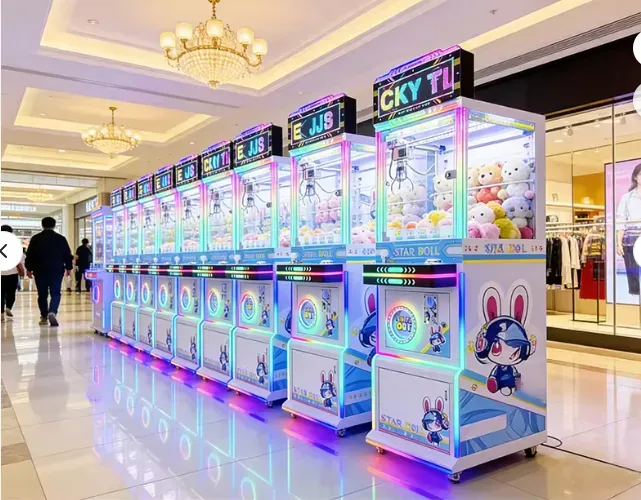
← Mini Claw Machine Wholesale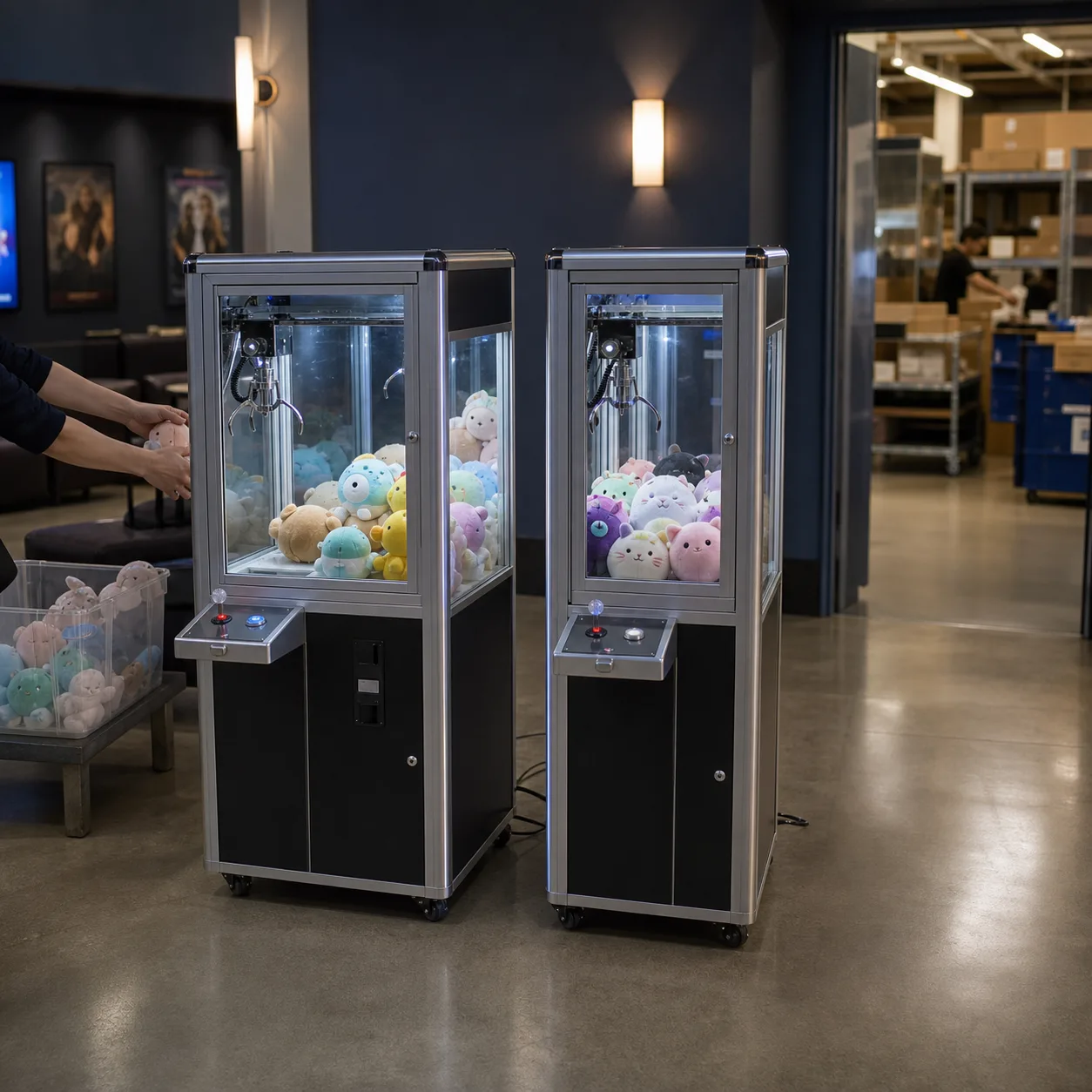
This simplified example excludes taxes, financing, changes in working capital and future replacement investment; add the relevant items to your own model.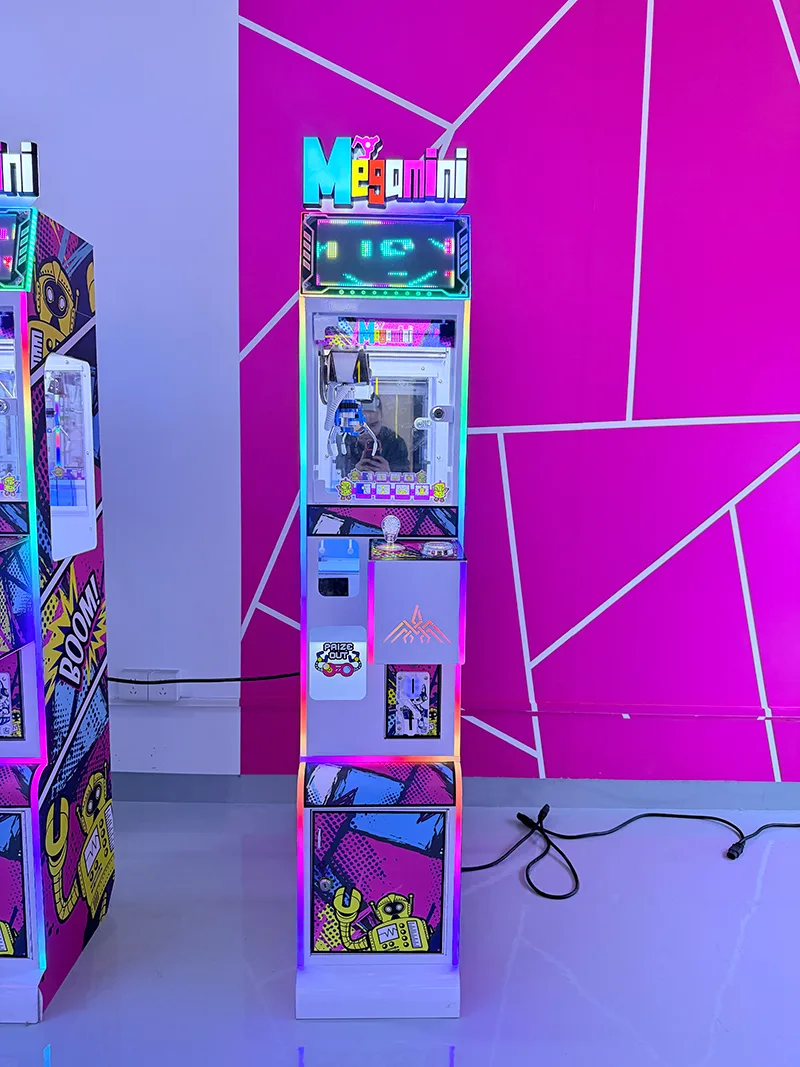
How Profitable Are Mini Claw Machines?
Mini claw-machine profitability depends on paid demand and operating costs at a specific site. Separate revenue, operating cash contribution and initial equipment investment before calculating break-even or payback. The worked example below uses labelled assumptions to show the method; it is not observed Jisun customer income or a promised return.
Written by Jisun Product Team
What evidence can establish whether a mini location works?
A mini claw cabinet can contribute cash when its collected play receipts exceed the costs attributable to that site. The cabinet’s size alone does not establish demand or profit. Use actual paid rounds and awards where available, separate test and free plays, and record unavailable time. For a new site, label the traffic and conversion assumptions rather than presenting them as observed results. Compare ordinary weeks as well as promotional periods. The first decision is whether the operating contribution remains positive under a lower-volume case, not how attractive the machine looks in an empty floor plan.
How should revenue and operating cash contribution be calculated?
Keep the calculation in one currency and one consistent tax basis. Play revenue is collected revenue after the refunds and discounts included in your reporting basis. Subtract prizes awarded, payment charges, venue rent or revenue share, utilities, service visits and other recurring cash costs to obtain operating cash contribution before financing and tax. Keep the machine purchase and installation as a separate initial investment for a simple payback calculation. Do not subtract a monthly “machine recovery” allowance and then divide the initial investment by that reduced cash contribution; that mixes capital recovery into the denominator twice. Accounting profit and depreciation need a separate treatment.
What does a transparent worked example look like?
The following figures are illustrative assumptions, not Jisun earnings, prices or a forecast. Suppose a month has 1,000 paid plays at 1 currency unit each, 100 awarded prizes costing 2 each, payment fees of 50, venue share of 200 and other recurring cash costs of 150. Revenue is 1,000; operating cash contribution before financing and tax is 400. If installed investment were 4,000 and that contribution remained constant, simple payback would be 10 months.
| Illustrative monthly line | Amount |
|---|---|
| Collected play revenue | 1,000 |
| Awarded prizes | 200 |
| Payment fees | 50 |
| Venue share | 200 |
| Other recurring cash costs | 150 |
| Operating cash contribution | 400 |
How do lower play volume and break-even change the decision?
In that example, prize cost per play is 0.20, payment fees 0.05 and venue share 0.20, leaving 0.55 per play before the assumed fixed recurring costs of 150. The simplified operating break-even is 150 ÷ 0.55, rounded up to 273 plays for the month. At 500 plays under the same per-play assumptions, contribution falls to 125 and simple payback on 4,000 becomes 32 months. These are calculations, not expected outcomes. The SBA break-even framework divides fixed costs by unit price less variable cost. Recalculate if prize usage, fees or venue terms change.
How should equipment facts enter the financial model?
Mini Claw Machine lists 56 × 44 × 168 cm, 56 kg and 150 W; Mega Mini Claw Machine lists 42 × 32 × 168 cm, 43 kg and 120 W. Both list 10–15 cm doll size. These facts help assess placement, handling and merchandise, but they do not provide a play-volume assumption. Required floor area includes guests and service access, and rated power is not measured consumption. Use the actual installed quotation for investment and the actual location contract for recurring costs. Compare contribution per usable installation area only after those boundaries are defined.
How should buyers forecast profit before ordering wholesale?
Build the forecast around a specific cabinet, specific location, and specific prize plan. Start with measured venue traffic, estimate the share that will play, and convert that into daily paid attempts. Then test lower traffic and higher prize consumption. This reveals whether the project still works when the first forecast is wrong. Buyers comparing multiple units should also consider how cabinet dimensions affect placement density and how standardized 10–15 cm prizes simplify purchasing and replenishment. For model selection and project planning, begin with our Mini Claw Machine Wholesale pillar page, review the commercial mini claw machine, and compare sourcing variables in our wholesale price and buyer guide.
- Choose the exact cabinet and reserve its measured floor area.
- Estimate paid plays for conservative, expected, and high-traffic cases.
- Apply your actual play price and venue agreement to each case.
- Calculate prize usage from the selected 4#/10–15 cm merchandise plan.
- Deduct all monthly costs and calculate the recovery period for the installed investment.
- Review actual play and prize data after launch, then adjust the operating plan.
What should a profit-focused wholesale request include?
A profit-focused request should connect the machine specification to the planned venue and business model. Tell us the destination market, number of units, available floor area, intended 10–15 cm prizes, and type of location. This lets our factory team discuss an appropriate compact configuration instead of treating every mini cabinet as interchangeable. Brand presentation can also form part of the project because we support custom logo and brand OEM/ODM work. Your internal forecast should keep customization and delivered investment separate from recurring operating costs; that produces a clearer payback calculation. We’ll use the operating brief to prepare the relevant factory quotation and specification details without inventing a public price that ignores configuration, quantity, and delivery requirements.
Planning a profitable mini claw machine rollout? Review how to choose a commercial supplier, then request a quote from Jisun with your venue, destination, quantity, prize plan, and branding brief.
Equipment Discussed in This Guide
Use the model photos, available demonstrations and specification sheets to check the equipment discussed above. Specifications apply to each named model.
Frequently Asked Questions
- Should a monthly machine-recovery allowance be deducted before simple payback?
- No. For the simple calculation described here, divide initial installed investment by recurring cash contribution before that capital-recovery allocation. Treat accounting depreciation separately.
- Are the 1,000-play example and ten-month payback customer results?
- No. They are explicit illustrative assumptions. Actual play volume, prizes, venue terms, financing and tax can produce very different results.
- What happens if recurring contribution is zero or negative?
- The simple payback formula does not produce a meaningful positive recovery period. Reassess the location, costs or equipment plan rather than presenting a recovery promise.
Related Buying Guides
Mini Claw Machine for Shopping Mall Kiosk
A practical manufacturer guide for buyers choosing compact claw machines for shopping mall kiosks, FEC routes, amusement parks, and other indoor venues.
Mini Claw Machine With Cashless Payment
A mini claw machine with cashless payment is a compact commercial prize game configured for card-based play, with coin play standard and bill or Nayax card payment optional for buyers who need mixed payment access.
Mini Claw Machines for Europe: Custom Power and Document Checks
Jisun supplies wide-voltage mini claw configurations and can customize voltage for the destination market on all machines. Confirm the required voltage, frequency and plug with the order, then keep the selected configuration and its documents aligned. Published standard-version data is a reference for specifying the build, not a restriction on custom supply.