← Mini Claw Machine Wholesale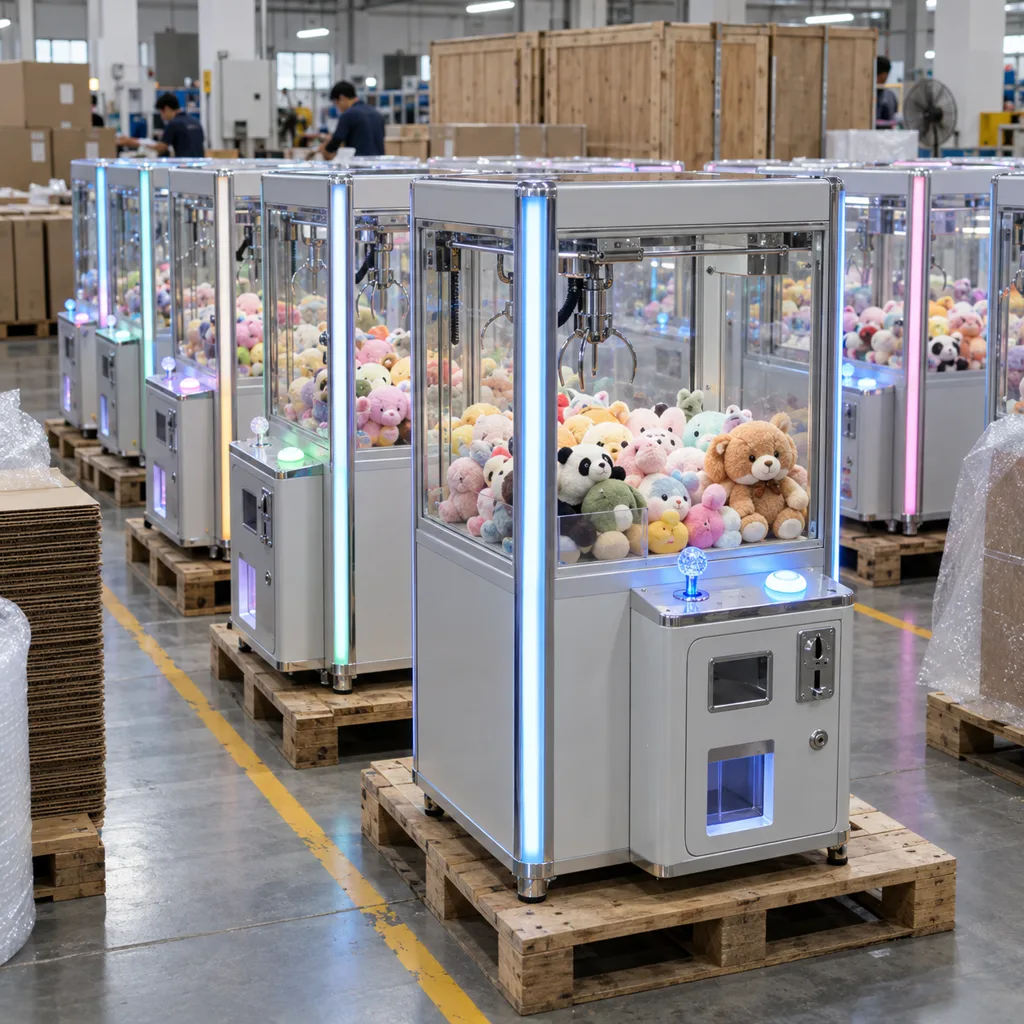
Mini Claw Machine for Shopping Mall Kiosk
A practical manufacturer guide for buyers choosing compact claw machines for shopping mall kiosks, FEC routes, amusement parks, and other indoor venues.
Written by Jisun Product Team
A mini claw machine for a shopping mall kiosk should be compact, stable, payment-ready, and sized for small plush prizes. In our factory, we guide buyers toward purchase and customization for permanent or route-operated equipment, not rental, hire, or staffed event service models.
What should a mall kiosk buyer decide first?
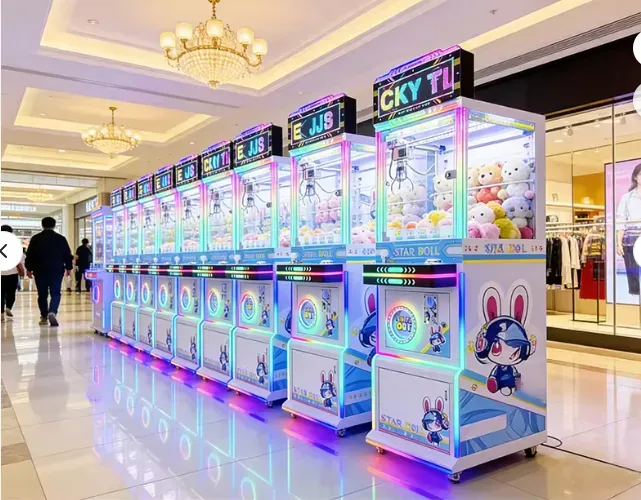
Start with the operating location, not the cabinet color. A claw machine is an arcade prize machine where a player controls a mechanical claw to grab a visible prize from inside a cabinet. For a shopping mall kiosk, the key decision is whether the machine fits the frontage, stays stable on the floor, presents prizes clearly, and accepts the payment method your venue expects. Our Mini Claw Machine uses a compact 56*44*168cm footprint for space-conscious venues, with a listed net weight of 56 kg for handling planning. That balance matters in a kiosk because the machine must look commercial without consuming the whole aisle edge. If the location is only for occasional promotion, a simpler counter display may be enough; if you need paid play every day, choose commercial equipment.
Which specifications matter for a small claw machine for shopping mall use?
For a small claw machine for shopping mall projects, we check size, cabinet construction, prize size, power, and payment before decoration. The Mini Claw Machine has a metal + glass cabinet for a clean commercial display, so shoppers can see the prize field instead of guessing what is inside. It is designed for 4# dolls and 10-15cm prize items, which keeps the cabinet visually full without forcing oversized inventory. The 150W power rating with 110-240V/60Hz input is the kind of electrical detail mall and kiosk teams should confirm before ordering. Payment is another practical fork: coin acceptor is standard, while bill acceptor and Nayax card payment are optional. Card payment can help in cash-light malls, but coin play may still suit arcades and family zones.
| Decision point | Mini Claw Machine data | Why it matters at a kiosk |
|---|---|---|
| Footprint | 56*44*168cm | Fits space-conscious retail and mall corridors |
| Cabinet | Metal + glass | Shows prizes clearly in a commercial setting |
| Prize size | 4# dolls and 10-15cm prize items | Keeps prize planning realistic for compact playfields |
| Power | 150W, 110-240V/60Hz | Helps the buyer confirm venue electrical compatibility |
| Payment | Coin standard; bill acceptor and Nayax optional | Lets operators match mall payment habits |
What must fit inside the kiosk lease and service plan?
Draw the cabinet bases, players, collection points, waiting space and open service doors against the actual lease boundary. Confirm sign height, lighting rules, floor protection, cable routing and the hours when staff may refill. A narrow cabinet can still require access beyond the rented rectangle. Name the party responsible for site power, payment connectivity, guest complaints and moving the machine if the mall changes the position. Put those responsibilities in the operating arrangement before selecting quantity. Cabinet dimensions alone cannot establish that a kiosk installation is workable.
How should a kiosk opening and closing routine work?
Before opening, check prize presentation, the approved assortment, collection openings, reader availability and a complete authorized test round. Identify each bay so a complaint can be matched to its transaction or fault. During service, show the bay as unavailable and keep the open door and stock trolley out of public circulation. At closing, reconcile payment and play records, note unresolved entitlements and record the stock required for the next visit. Decide who can access the cash or service compartments when the main arcade team is off-site; an unattended location still needs a response owner.
How should customization be planned before production?
Customization should answer a business question: will the machine look like part of the venue and make the prize offer easy to understand? For permanent equipment purchase, we can support custom logo and brand OEM/ODM work on the Mini Claw Machine. The topper also has a scrolling LED text screen with customizable content, which is useful when a mall kiosk, FEC, cinema lobby, or supermarket wants a clear promotion without changing the entire cabinet structure. Keep it practical. Branding does not fix a wrong prize size, weak placement, or mismatched payment hardware. We usually ask buyers to confirm venue type, available width and depth, payment preference, target prize size, plug expectations, and brand artwork before factory production. That information makes a custom order much cleaner than choosing decoration first.
How can a mall kiosk trial produce a useful expansion decision?
Record paid plays, active hours, refill visits, assistance calls and the reason for every interruption. Note the prize assortment and price for each period. Compare normal weekdays and busy periods without treating a special promotion as the permanent baseline. If customers stop but do not play, inspect whether they can see the prizes, understand the price and use the chosen payment method. If staff cannot service the row within the permitted access hours, adding more cabinets can amplify the problem. To request a quote, send the lease drawing, service rules, selected prizes and payment requirements for a kiosk-specific review.
Equipment Discussed in This Guide
Use the model photos, available demonstrations and specification sheets to check the equipment discussed above. Specifications apply to each named model.
Frequently Asked Questions
- Can a narrow kiosk use the Mega Mini instead of the standard Mini model?
- Yes, when floor depth is tight and the venue still needs a commercial standing cabinet. The Mega Mini has a 42 x 32 x 168 cm footprint, while the standard Mini model is 56*44*168cm, so the better choice depends on the exact kiosk layout.
- What prize category should buyers plan for a mall kiosk mini claw machine?
- Plan around small plush or similar prize items. The Mini and Mega Mini models are both designed for 4# dolls and 10-15 cm prize items, which keeps sourcing and cabinet display practical.
- Should kiosk operators choose coin, bill, or card payment before ordering?
- Yes. The Mini Claw Machine includes a coin acceptor as standard, while bill acceptor and Nayax card payment are optional. Choosing before production helps align the cabinet with mall payment habits.
- Why does cabinet construction matter in a shopping mall aisle?
- A metal and glass cabinet gives the machine a clean commercial display look and keeps prizes visible to passing shoppers. Visibility is especially important when the machine must attract attention from a compact kiosk position.
Related Buying Guides
Mini Claw Machine With Cashless Payment
A mini claw machine with cashless payment is a compact commercial prize game configured for card-based play, with coin play standard and bill or Nayax card payment optional for buyers who need mixed payment access.
Mini Claw Machines for Europe: Custom Power and Document Checks
Jisun supplies wide-voltage mini claw configurations and can customize voltage for the destination market on all machines. Confirm the required voltage, frequency and plug with the order, then keep the selected configuration and its documents aligned. Published standard-version data is a reference for specifying the build, not a restriction on custom supply.
How Profitable Are Mini Claw Machines?
Mini claw-machine profitability depends on paid demand and operating costs at a specific site. Separate revenue, operating cash contribution and initial equipment investment before calculating break-even or payback. The worked example below uses labelled assumptions to show the method; it is not observed Jisun customer income or a promised return.