← Mini Claw Machine Wholesale
Choosing a Commercial Mini Claw Machine Supplier
Learn how to evaluate a commercial mini claw machine supplier using practical cabinet, prize, power, branding, and purchasing criteria. Compare two compact Jisun formats built for commercial indoor venues.
Written by Jisun Product Team
A reliable commercial mini claw machine supplier should provide verified cabinet dimensions, prize compatibility, electrical data, machine weight, wholesale terms, and OEM/ODM options. We recommend matching these specifications to your floor plan and operating model before comparing prices. That approach prevents costly surprises when machines arrive, fit poorly, or cannot hold the intended prizes.
How can a buyer verify a mini-claw supplier’s model evidence?
Ask for one traceable package: model identity, current specification, photos of the offered cabinet and a continuous play demonstration with the intended merchandise. A supplier’s wider catalog does not establish that its smallest cabinet can handle your plush or reader. Request a view of the installed control and payment configuration where relevant to the order. Keep the evidence date and version attached to the offer. If a demonstration uses another model, label it as a reference and list the remaining tests instead of treating it as approval for the quoted mini machine.
Which cabinet format works for a space-conscious commercial venue?
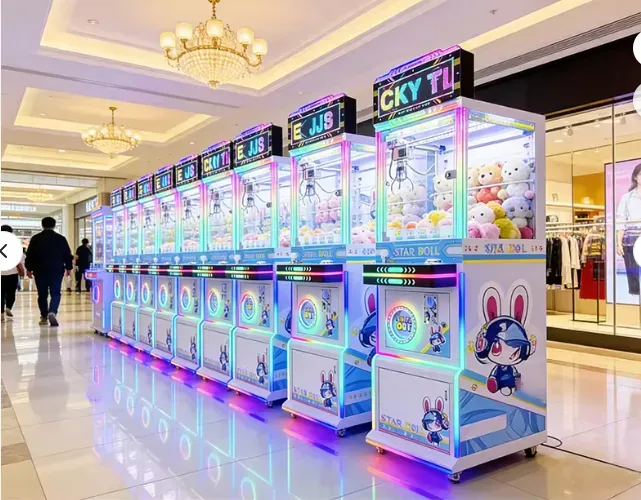
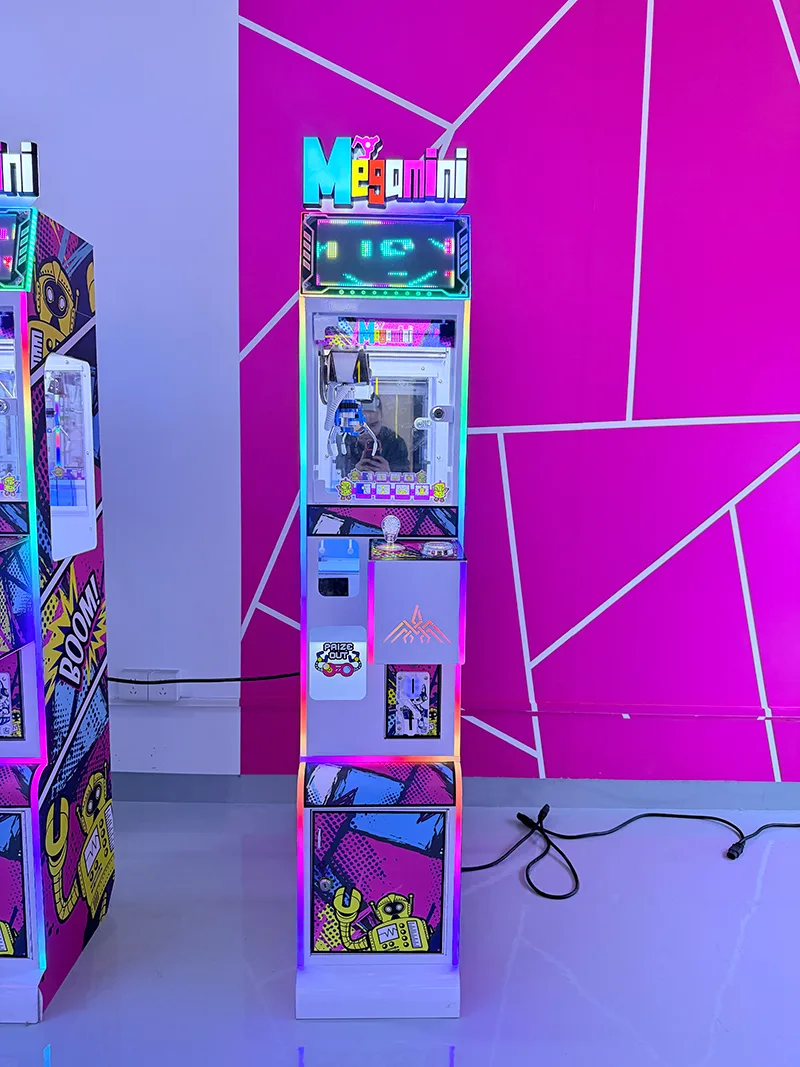
Choose the footprint by measuring the actual revenue zone, including customer standing space and nearby traffic flow. For narrow indoor positions, we offer a compact 42 × 32 × 168 cm footprint designed for high-traffic venues. Mega Mini lists 43 kg and a metal-and-glass cabinet. Its mass belongs in the handling plan; installation stability and service clearance need the selected site arrangement. The format suits malls, arcades, family entertainment centers, cinema lobbies, and supermarkets. Our broader 56 × 44 × 168 cm option gives operators another compact layout to compare. Review the Mini Claw Machine and Mega Mini Claw Machine pages when planning a mixed installation. On a real arcade floor, a few centimeters can decide whether a cabinet supports traffic or obstructs it.
| Format | Dimensions | Weight | Power |
|---|---|---|---|
| Slim compact format | 42 × 32 × 168 cm | 43 kg | 120W |
| Compact display format | 56 × 44 × 168 cm | 56 kg | 150W |
How should operators compare power and prize specifications?
Match both specifications to the planned location before discussing decoration. Our compact formats support 110–240V/60Hz input, with model power ratings of 120W or 150W. Buyers should identify the destination market and confirm the selected model’s specification on the order. Prize planning deserves the same discipline: these cabinets are designed for 4#/10–15 cm dolls and small plush prizes. Keeping stock within that intended range helps operators maintain a consistent presentation and avoids filling a compact cabinet with merchandise that is visually or physically unsuitable. There’s also an operating trade-off: prize cost per play must make sense for the venue’s play price and target win experience. For deeper sourcing guidance, see our plush claw machine wholesale guide.
| Specification | Available model data | Planning action |
|---|---|---|
| Voltage support | 110–240V/60Hz | Match the ordered unit to the destination market |
| Power rating | 120W or 150W, depending on model | Include the selected model in the venue power plan |
| Prize size | 4#/10–15 cm dolls and small plush prizes | Source prizes around the cabinet’s intended format |
What supplier response demonstrates useful service capability?
Use a realistic sample fault report during evaluation. Provide the model, symptom, when it occurs and a safe short video, then assess whether the supplier asks relevant follow-up questions and identifies the next diagnostic step. A response that only says “replace the board” without checking the affected function is less useful than one that isolates payment, input, movement or prize detection. Ask how parts are identified by version, what the local technician may do, and which settings need rechecking after replacement. Written warranty terms should distinguish parts, labor, shipping and consumables instead of promising universal coverage.
How should supplier selection move into a pilot order?
Include label photographs and proposed spare-part identifiers in the pilot file. Use the same sample merchandise and acceptance sequence for the shortlisted offers. Check the payment-to-play start, claw travel, collection path and staff access on the actual proposed configuration. Agree which unresolved requirements need a prototype before a batch order. Compare supplier accountability as well as unit price: who approves artwork, confirms the destination electrical version, supplies reader wiring and answers a fault after delivery? Record those owners in the order. To request a quote, send your prize samples, preferred mini model, reader requirement and local service capability so Jisun can respond to a defined supplier evaluation.
Equipment Discussed in This Guide
Use the model photos, available demonstrations and specification sheets to check the equipment discussed above. Specifications apply to each named model.
Frequently Asked Questions
- Can a video of a larger crane approve a mini-claw order?
- It can illustrate a general mechanism but cannot validate the mini cabinet’s prize handling, clearance or selected reader. Request the relevant configuration demonstration.
- What should a useful first technical-support response contain?
- It should identify the affected function, ask for model-specific evidence and propose the next safe diagnostic step, with compatible parts identified where necessary.
- Why include local service capability in the inquiry?
- The supplier needs to know whether the receiving team can perform approved checks or module replacement so training, spares and support scope can be agreed.
Related Buying Guides
Mini Claw Machine for Shopping Mall Kiosk
A practical manufacturer guide for buyers choosing compact claw machines for shopping mall kiosks, FEC routes, amusement parks, and other indoor venues.
Mini Claw Machine With Cashless Payment
A mini claw machine with cashless payment is a compact commercial prize game configured for card-based play, with coin play standard and bill or Nayax card payment optional for buyers who need mixed payment access.
Mini Claw Machines for Europe: Custom Power and Document Checks
Jisun supplies wide-voltage mini claw configurations and can customize voltage for the destination market on all machines. Confirm the required voltage, frequency and plug with the order, then keep the selected configuration and its documents aligned. Published standard-version data is a reference for specifying the build, not a restriction on custom supply.