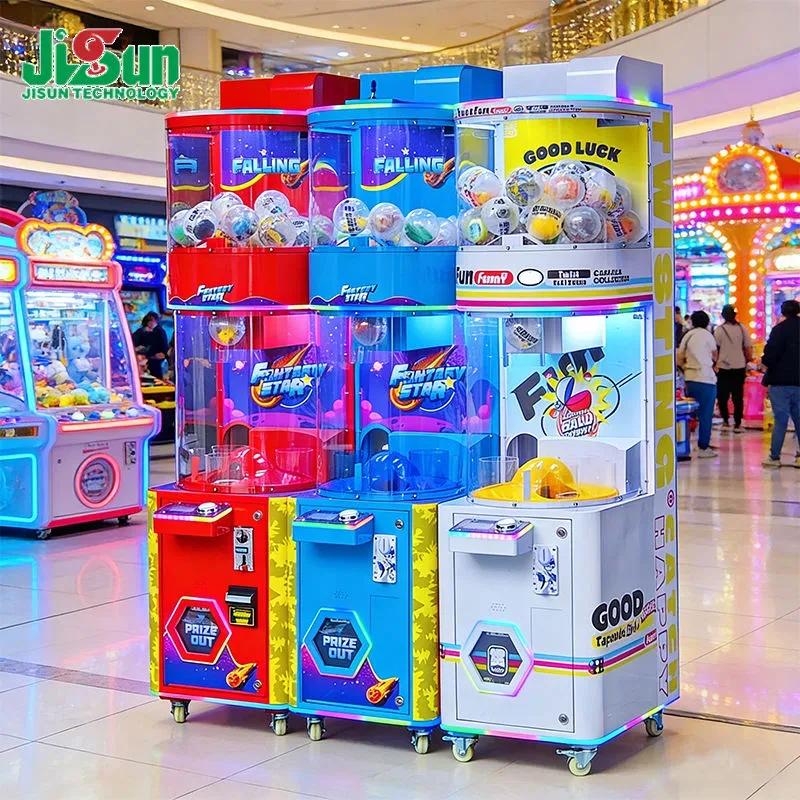
Dream Star Gacha Machine
Model: JISUN-GACHA-001
Commercial gacha machine pricing depends on cabinet specifications, capsule format, customization, order volume, and freight. This guide shows buyers how we prepare an accurate factory quotation without relying on misleading public price ranges.
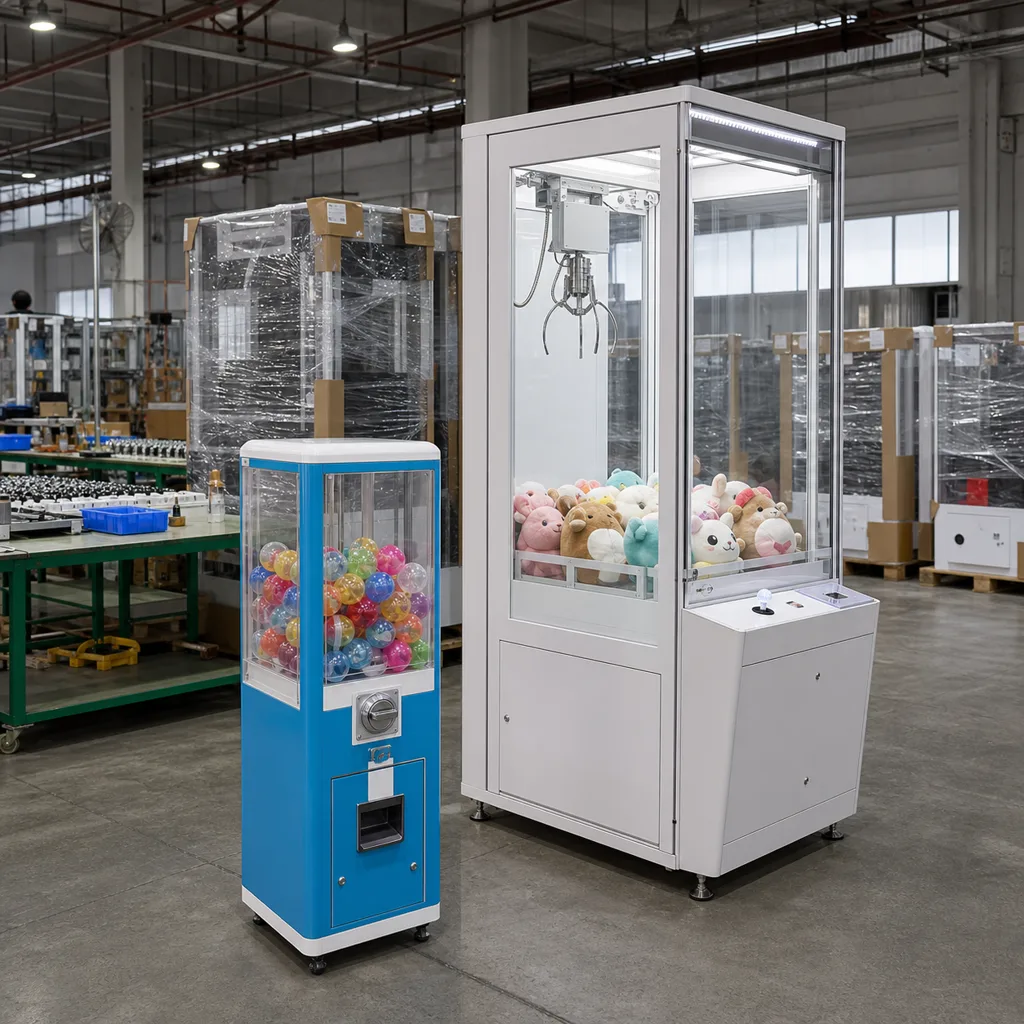
The commercial gacha machine price depends on cabinet format, capsule size, electrical setup, order quantity, customization, and delivery destination. We don’t publish a made-up universal range: in our factory, we quote the exact build. For a usable comparison, buyers should match machine specifications, OEM/ODM scope, packing, and freight terms.
A commercial gacha machine is a floor-standing amusement cabinet that dispenses or awards capsule prizes in a paid-play venue. Buyers can explore our wider Gacha & Prize Game Machine Supplier range before comparing individual formats.
There isn’t one responsible answer without a defined machine and order brief. A compact capsule cabinet, a one-player prize game, and a large interactive prize machine have different material, power, packing, and freight requirements. The commercial gacha machine price also changes when buyers request cabinet branding, lighting changes, or a different control configuration. In our factory, we first confirm the model, quantity, destination voltage, capsule or prize plan, and customization scope. We then quote the specified machine instead of using a promotional figure that excludes essential costs. This gives purchasing teams a price they can compare line by line. It also prevents a low equipment price from hiding a mismatched electrical build or a cabinet that’s too large for the planned venue position.
A gacha capsule machine factory price starts with the physical build. The Dream Star Gacha Machine, for example, has a 45x74x180cm upright footprint for malls, FECs, retail stores, and supermarkets. It supports 75mm and 100mm gacha balls for flexible capsule prize planning, so buyers should specify the intended capsule format before requesting a quotation. Its metal + acrylic construction is designed for durable commercial venue use. The machine has a 150W power rating with a 220V/50Hz electrical specification. These details matter because two cabinets described simply as “gacha machines” may differ in dimensions, materials, prize capacity planning, and destination readiness. A useful factory-price request identifies each of those points instead of asking for an unqualified unit price. Dream Star's supplied sequence is a timed skill attempt, with unwon capsules recycled; its capsule-size options do not imply guaranteed delivery after each payment.
| Dream Star specification | Quoted requirement |
|---|---|
| Cabinet size | 45x74x180cm |
| Capsule compatibility | 75mm and 100mm gacha balls |
| Construction | Metal + acrylic |
| Electrical specification | 150W, 220V/50Hz |
Gachapon machine wholesale prices differ when suppliers quote different specifications, quantities, customization scopes, or delivery terms. Buyers should compare the same cabinet build and electrical configuration first. Then check whether logo work, cabinet color, branded graphics, lighting style, and control changes are included or priced separately. For Dream Star orders, our OEM/ODM options cover cabinet color, branding, lighting style, and control configuration. That scope must be defined before the quotation becomes comparable. Here’s an operator’s aside: coin-mech and bill-acceptor requests shouldn’t be treated as interchangeable wording in a purchasing brief. State the required payment and control arrangement so we can confirm the configuration rather than guess. Our Gacha Capsule Machine Wholesale Guide provides more background for buyers planning a multi-unit order.
Compare an arcade prize machine wholesale price by machine type, cabinet construction, footprint, power specification, weight, and intended venue—not by the product name alone. The Block Clash Prize Game Machine uses a durable metal and glass cabinet with a 78×72×202cm footprint. It weighs 150kg for stable floor-standing operation and has a 180W power rating with 110-240V/60Hz voltage support. Those characteristics create a different sourcing and freight profile from a compact capsule machine. They also affect floor planning. Before comparing quotations, purchasing teams should make sure each supplier is pricing the same game format, destination electrical build, and customization brief. A lower figure for a smaller or materially different cabinet isn’t a genuine like-for-like saving.
| Commercial comparison point | Dream Star | Block Clash |
|---|---|---|
| Footprint | 45x74x180cm | 78×72×202cm |
| Construction | Metal + acrylic | Metal and glass |
| Power | 150W | 180W |
| Listed voltage/frequency | 220V/50Hz | 110-240V/60Hz |
| Listed weight | Not specified here | 150kg |
Yes. Cabinet size influences floor allocation, packing plans, and freight, so it can change the landed cost even when buyers focus first on factory price. The Legend Cannon Ball-Toss format illustrates the difference: its large 160x165x232cm footprint suits prize game zones in shopping malls, arcade centers, and family entertainment centers. It also has a 250W power rating with a 110V-220V compatible voltage setup. That isn’t directly interchangeable with a narrow upright gacha cabinet. Palletizing and freight realities matter here; purchasing teams should provide the destination and receiving conditions when seeking a delivered comparison. We recommend separating the equipment quotation from logistics charges, then checking both together. This makes it easier to see whether a price difference comes from the cabinet itself, requested OEM/ODM work, or transport.
A complete quotation should identify the exact model, order quantity, cabinet specifications, destination electrical requirement, OEM/ODM scope, commercial terms, and logistics basis. It should also state whether pricing is ex-factory or includes another agreed delivery stage. We ask buyers to send venue type and available floor space because a mall corridor, dedicated arcade, and prize game zone can require very different cabinets. Capsule buyers should specify 75mm or 100mm balls when considering Dream Star. Prize-machine buyers should include the planned game format and model. Keep the comparison disciplined: the same specification, the same customization brief, and the same freight basis. MOQ and production timing should be confirmed for the actual model and order rather than copied from an unrelated listing.
Send us a compact purchasing brief with the model, quantity, destination country, venue type, available floor space, electrical requirement, and requested OEM/ODM changes. For a capsule machine, include the planned 75mm or 100mm ball size. For a larger prize game, name the cabinet and provide any branding or configuration requirements. Photos or a layout can help clarify the installation context, but the measured dimensions should remain the purchasing reference. We’ll use that information to prepare a factory quotation around the actual build and logistics basis. This is the fastest route to a commercial comparison that procurement teams can evaluate without hidden specification gaps.
Planning a wholesale gacha or arcade prize-machine order? Request a quote from Jisun with your model, quantity, destination, electrical specification, and customization brief.
Use the model photos, available demonstrations and specification sheets to check the equipment discussed above. Specifications apply to each named model.
Model: JISUN-GACHA-001
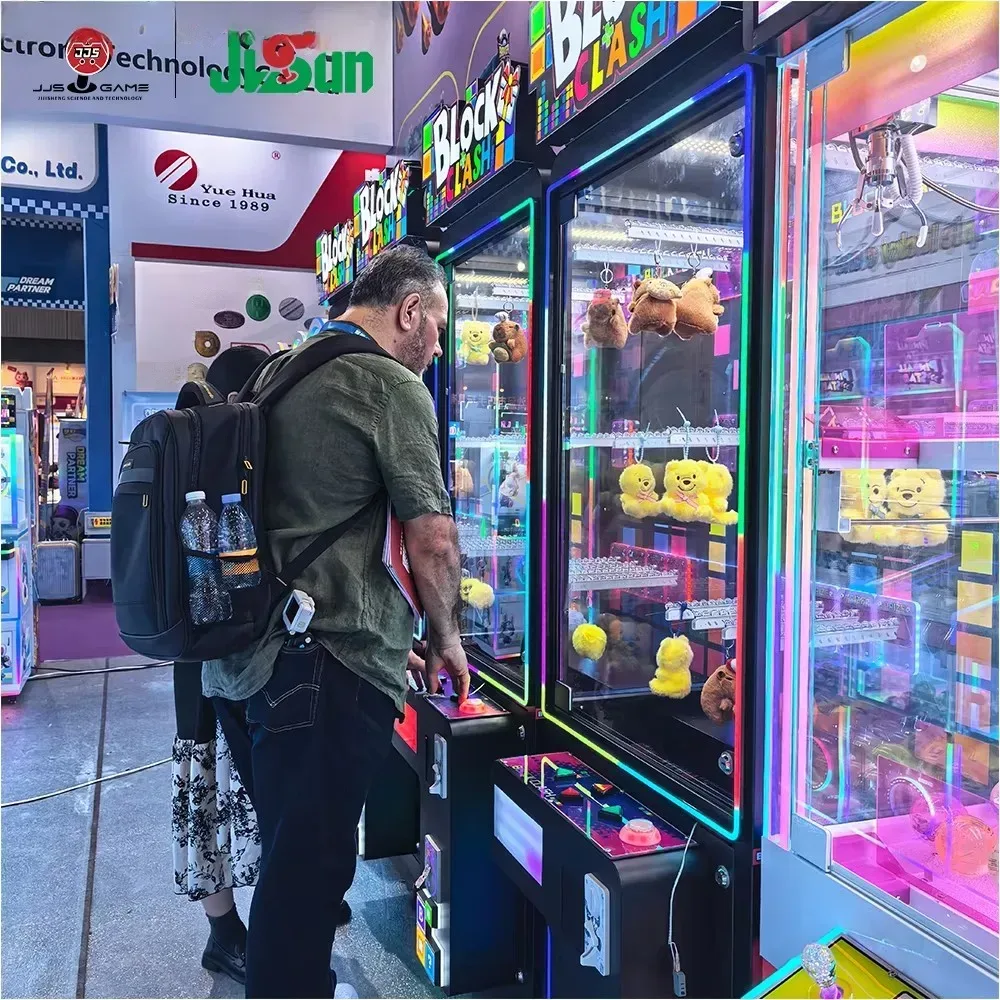
No prize-machine category is automatically the most profitable. Compare collected play revenue, merchandise awarded, venue terms, service effort and unavailable time for the actual location. Direct capsule vending, a claw attempt and a skill-prize game have different reward paths; treating them as the same business model produces misleading cost forecasts.
Commercial gacha machines for shopping malls should be chosen around floor footprint, capsule size, prize workflow, cabinet durability, and brand customization. Jisun manufactures purchase-ready gacha and prize game equipment for mall, arcade, and FEC operators that need wholesale supply or OEM/ODM builds.
A practical buyer guide for operators, distributors, and venue owners sourcing custom gacha and prize vending machines from a manufacturer. It explains when OEM/ODM customization matters, when a standard model is enough, and what equipment facts to confirm before ordering.