Concept / Customizable Design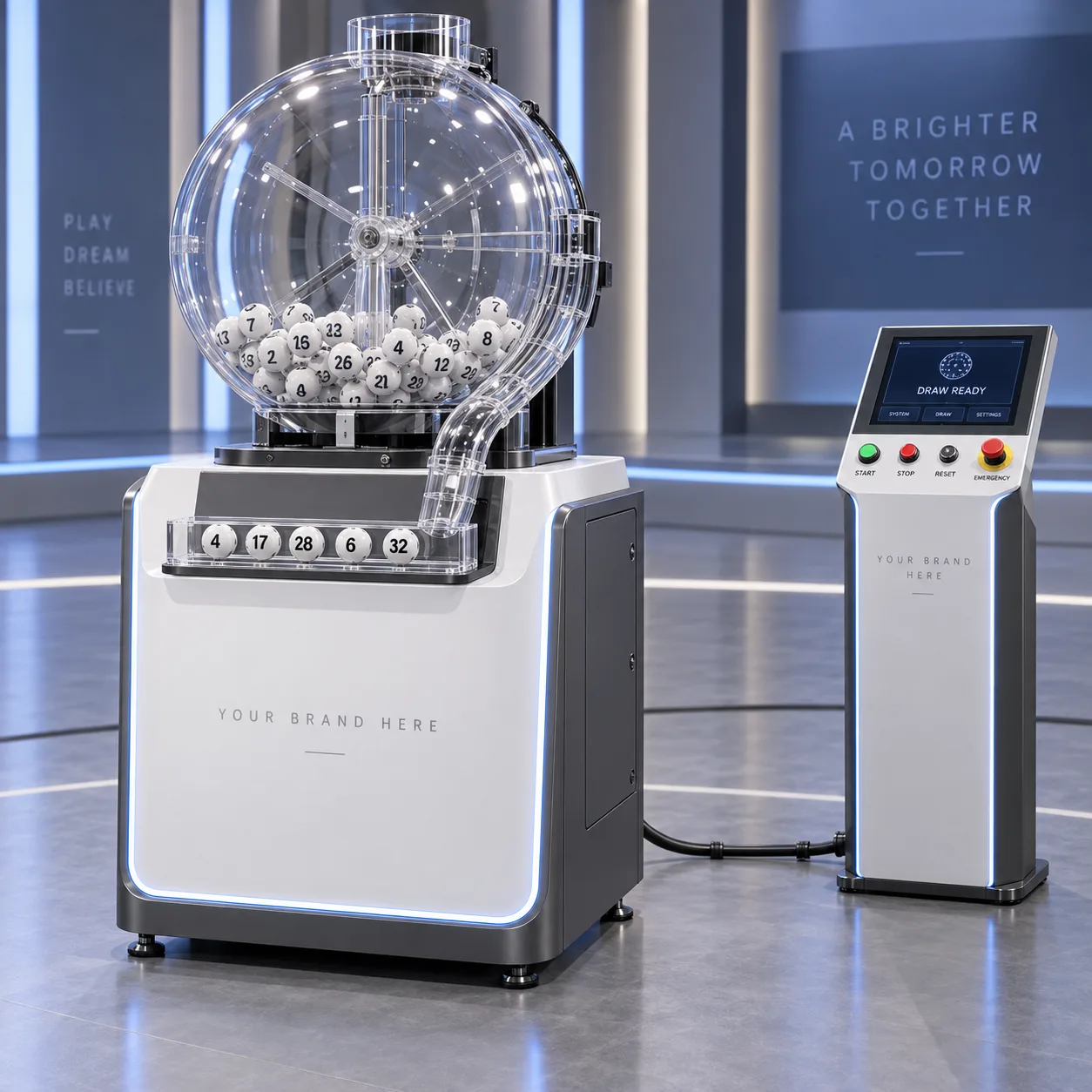
Category: Lottery Ball & Draw Machines
Off-Camera Broadcast Lottery Console Concept
Concept design — fully customizable. Contact us to make it real.
- ✓Camera plan connects mixing, ball transfer and readable results
- ✓Console state sequence separates readiness, confirmation, reset and faults
- ✓Interrupted-draw handling defined before live production
- ✓RFID display, recording and software integration kept as separate requirements
Concept design — fully customizable. Contact us to make it real. The illustration shows a proposed arrangement, not a completed machine or an approved engineering drawing.
What is the broadcast-control problem this concept addresses?
This arrangement focuses on coordination between a draw operator, presenter and camera team. The concept image shows a spherical chamber, a front result row, a branded cabinet face and a separate pedestal with a screen and several controls. Its purpose is to define what the production team must see and know at each stage of a broadcast. It is not a specification for livestream software, recording storage or remote winner selection. Consider it when the operator needs a clear status view outside the main composition and the production team needs an agreed response to a stopped or uncertain draw.
Which camera views should the layout preserve?
Plan a wide view that connects the chamber, transfer route and displayed result, plus a readable result view if a second camera is used. Neither view should rely on the presenter stepping away after the event to reveal what happened. Mark the cabinet, console, presenter and camera positions on the same floor drawing, then add cable and service access. Check glare from the transparent chamber and reflections from the console screen under the intended lighting. A conceptual result row illustrates a visual arrangement only; its apparent number of ball positions is not a verified capacity or replacement rule.
What console states should be specified?
Write the required state sequence before choosing button colors or screen artwork: not ready, ready to start, mixing, result awaiting confirmation, round complete and a stopped or fault state. Assign who can issue a draw or reset and how the presenter knows which state is active. Define the response to loss of communication between the console and cabinet. The visible emergency-style control in the illustration does not certify a safety circuit; stop behavior and any interlocks need engineering design and acceptance checks. Operator commands should control the process, never identify a desired winning number.
How should an interrupted draw be documented?
Agree the operating rule before a live production. Distinguish interruption before selection, a ball in the transfer path and a result already accepted by the presenter. Preserve the physical state and the independent written or recorded result until the authorized operator determines the next step under those rules. Ask the demonstration to include a controlled stop and restart sequence, and note what must be checked manually. Video capture, timestamps, RFID readings and data export are separate functions. If they are required, define the source of each record, its connection to the physical ball and how a mismatch is handled.
Which existing equipment is a useful comparison?
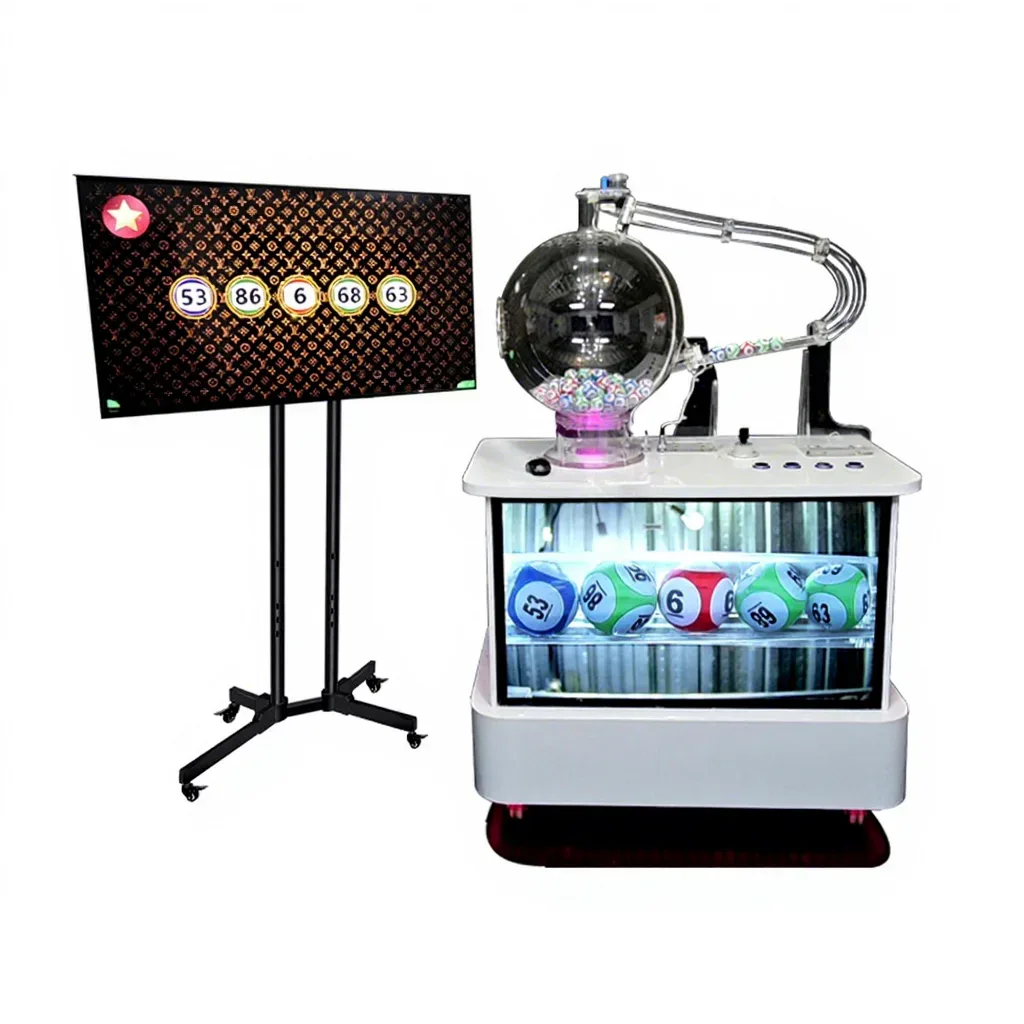
The 1P420V RFID Air-Mix Lottery Machine with External LCD lists RFID reading, 50 solid 4 cm balls and an external LCD. Its result output is not evidence of a broadcast API or stored video, and its screen count recommendation applies only to that model. The YP6002 Air-Blown Lotto Ball Drawing Machine lists adjustable automatic or interactive operation and a 15-second selection cycle. Use their model media below to identify which existing functions are sufficient and which proposed console requirements remain additional work. For acceptance planning, review the draw-machine demonstration checklist; keep software integration and camera-recording requirements separate from the mechanical machine order.
What should the production team send for quotation?
Provide the game rules, ball pool, replacement method, expected results per round and the responsible operator roles. Add a marked camera plan, preferred screen information, connection distance, routing restrictions and any required external interfaces. Request a cabinet-and-console drawing and a written sequence describing normal operation and interruptions. Ask the quotation to identify included hardware, proposed integration work and items supplied by the venue. This creates a reviewable broadcast equipment brief without pretending that the concept image proves working software, electrical performance or a tested safety system.
Send the production layout, required console states and result-recording workflow to request a quote for the broadcast console concept.
What Should Be Confirmed Before Engineering?
Who This Concept Is For
- Broadcast production teams coordinating presenter and operator
- Technical integrators planning a draw cabinet and control position
Configuration Directions
- Operator screen with defined state information
- Cabinet and console branding surfaces
- Wide and close result camera positions
- Integration interfaces scoped separately from RFID display
Operator and Site Requirements
- Use the agreed readiness and confirmation sequence
- Preserve physical results after an interruption
- Reconcile physical and electronic outputs before announcement
- Keep camera sightlines and protected cable routes clear
Inputs We Need From the Buyer
- Camera and presenter floor plan
- Game rules and operating roles
- Required normal and fault states
- Console distance and cable routing
- Separate recording and external interface requirements
Existing Equipment to Compare
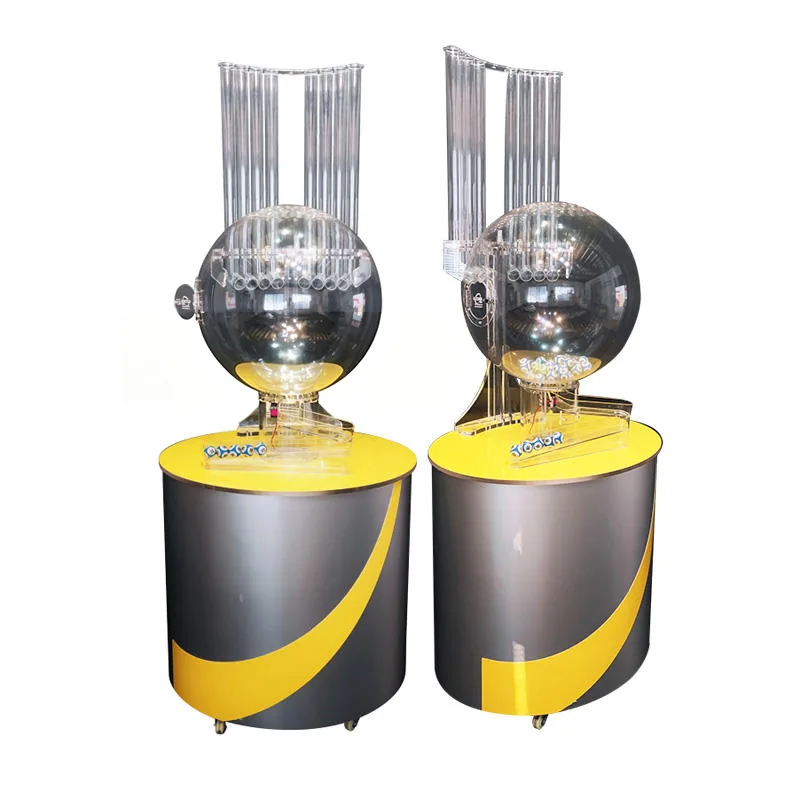
These photos and demonstrations show the existing models cited above. They do not show a completed version of this concept; each model keeps its own specifications.
Customization Questions
- Does the illustrated stop button prove a safety-certified design?
- No. It is part of a proposed control layout. Stop behavior, interlocks and the applicable safety requirements must be designed and checked for the delivered system.
- Does an RFID display automatically provide a broadcast API?
- No. Reading and displaying a ball number are different functions from exporting it to a production system. Specify the interface and mismatch handling separately.
- What is the difference from the single-result concept?
- The single-result concept concentrates on announce, confirm and clear for one ball. This broadcast concept concentrates on camera continuity, operator states and handling interruptions across the production workflow.