← Bingo Machines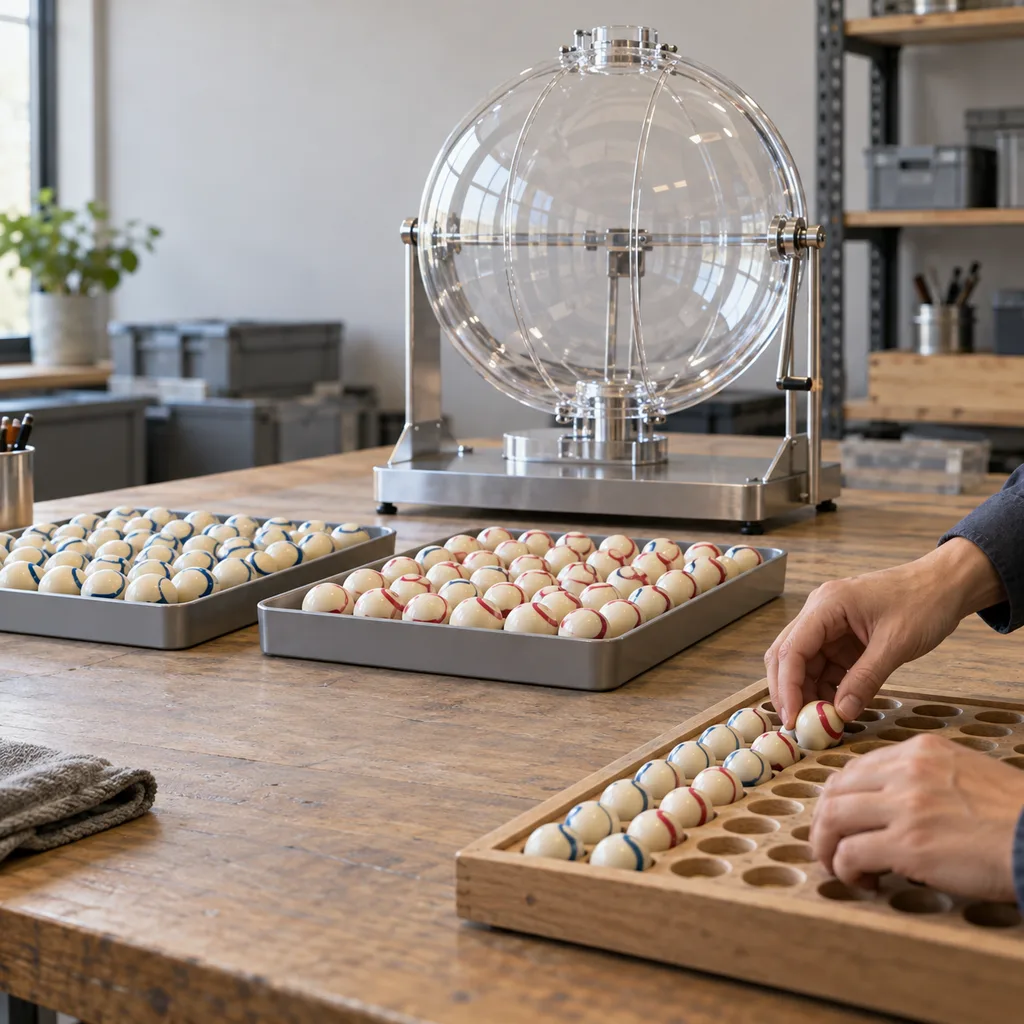
How Many Balls in Bingo? Choosing 75 or 90
Standard 75-ball bingo uses balls numbered 1–75; 90-ball bingo uses 1–90. Match the complete starting set to your cards and rules, then choose a machine configured for that ball count and ball specification.
Written by Jisun Product Team
Bingo usually uses 75 or 90 balls: a 75-ball game starts with numbers 1–75, while a 90-ball game starts with 1–90. Your cards and rules determine the set. When we configure equipment, we match that complete starting pool to the machine, ball specification and checking arrangement; the number of players does not determine the ball count.
How do bingo cards determine whether you need 75 or 90 balls?
Choose the game format before choosing the equipment. Conventional 75-ball bingo uses a five-by-five card, usually with a free center square, and numbers drawn from 1–75. Conventional 90-ball bingo uses tickets with three rows and nine columns, containing 15 numbers drawn from 1–90. Individual cards contain only part of the available number range. That does not reduce the starting ball set. We ask buyers to identify their card format, audience and winning patterns first because these establish what the caller must draw and what players must recognize. A familiar format can also make instructions easier for your audience. If you already have printed cards, use their number range as the starting point for the equipment discussion.
Does every game begin with the full ball set?
A standard game begins with the complete set for its format, even though play may end before every ball is drawn. The selection pool is the complete group of eligible balls available for a draw. In standard 75-ball bingo, that means one ball for each number from 1 through 75; in standard 90-ball bingo, it means one for each number from 1 through 90. Do not load only the numbers printed on a particular player's card. We also distinguish starting quantity from balls called: a winning claim may stop play while balls remain in the chamber. More players require more suitable cards and adequate result visibility, rather than extra duplicate balls in the pool.
What machine capacity should you specify for your ball set?
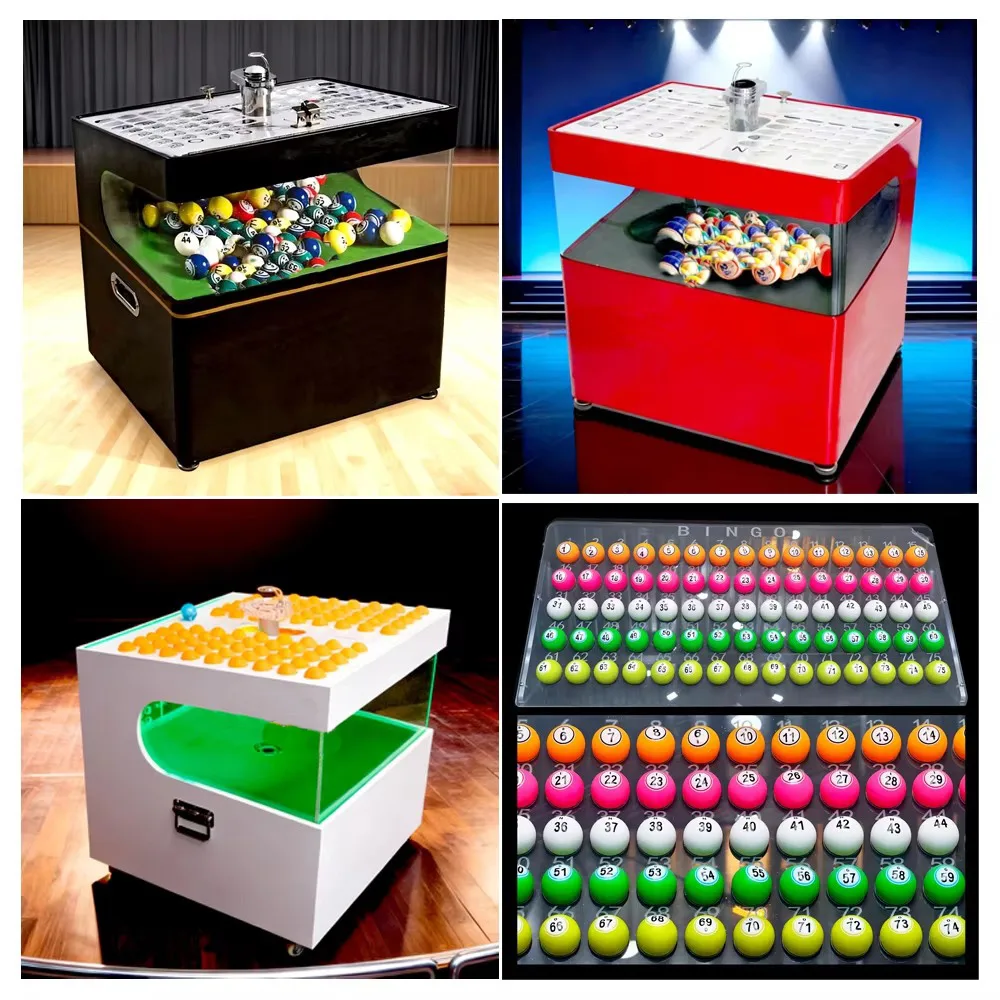
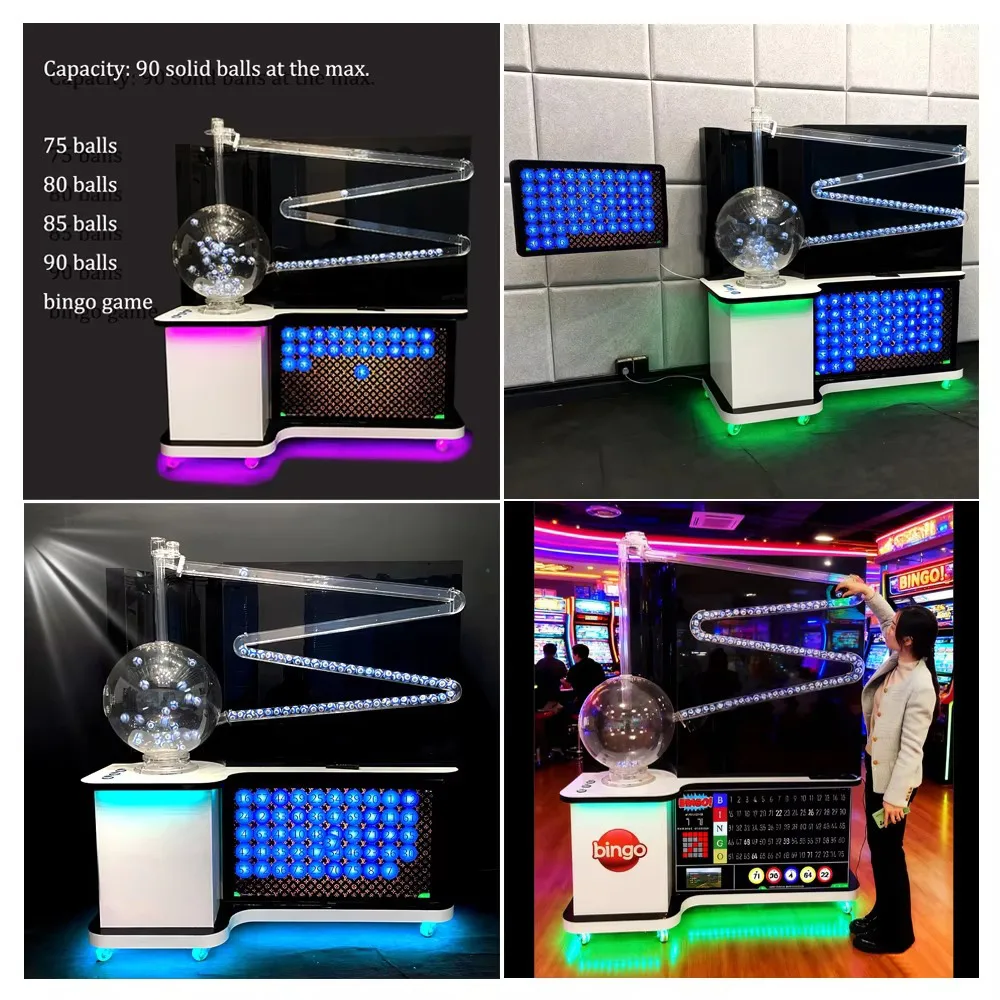
Specify compatibility with the complete intended set, rather than relying on a cabinet's apparent size. A bingo ball machine is equipment that mixes numbered balls and presents selected balls for calling and checking. Ball count alone is insufficient: diameter, material, selection mechanism and result storage must work together. Our G350 Portable Bingo Ball Machine offers 75-, 80-, 85- or 90-ball formats, selected when ordering. For G350, ball size, material, numbering, quantities and supplied accessories are confirmed with the order. This is a configuration choice, not a promise that any replacement set will fit. When buyers want both 75- and 90-ball play, we ask them to specify both workflows so the proposed changeover arrangement can be defined.
How do you prepare, draw, check and reset the balls?
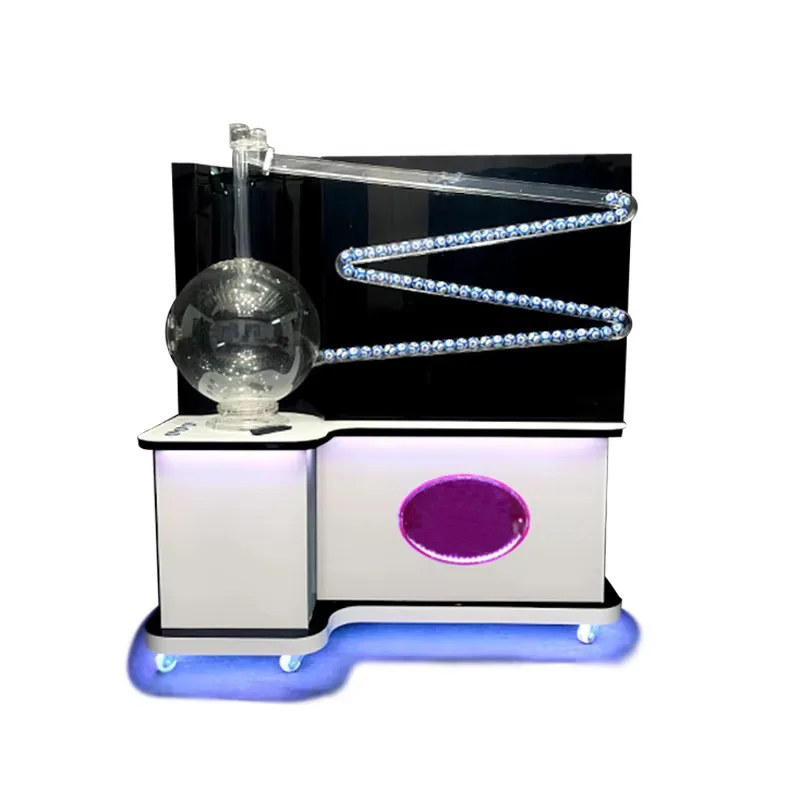
Keep the full starting pool, called results and reset procedure connected throughout the game. Before loading, reconcile the balls against the intended number range and look for missing numbers or duplicates. During play, the caller presents each selected ball, announces its number and retains a visible record for checking claims. Visible mixing helps the audience follow the physical process; it does not establish certified randomness. Our 1P75 Manual Calling model uses a long transparent physical result track, and its caller reads the balls. An operator's practical concern is simple: don't return called balls to the active pool while the same game continues. After the game closes, collect every ball and reconcile the complete set before starting again.
When is a simpler calling arrangement enough?
A caller who can read each ball clearly and maintain an orderly result record may need only a physical checking arrangement. We start with operating frequency, audience visibility and the caller's workload when discussing upgrades. Our 1P75 Manual Calling machine supports ordered setups of 75, 80, 85 or 90 balls; RFID is a separate requested upgrade. RFID means radio-frequency identification, a method of reading compatible tagged objects. Our 1P75 RFID model reads compatible tagged balls and presents results through a physical track plus a digital number board. Electronic reading changes the checking workflow. It does not change how many balls the chosen game requires.
What should your setup checklist include?
Build the setup checklist around one question: can the operator account for the complete number range from preparation through reset? We recommend agreeing on the cards, full starting pool, calling procedure and result record before discussing cabinet appearance. Label special rules clearly. For example, a conventional 75-ball pattern game starts with all 75 balls even when the winning pattern covers only a few card positions. A conventional 90-ball full-house game starts with all 90 balls even though one ticket contains 15 numbers. These are game examples, not supplied machine configurations. A checking board also needs the correct numbering layout; our G350 uses a top checking board matched to the selected ball format.
- Match the cards and announced rules to the intended number range.
- Check the full ball set for missing numbers, duplicates and unsuitable replacements.
- Prepare the caller's position and a result record visible enough for the intended audience.
- Define claim checking, game closure and complete-set reconciliation before reset.
What should you tell us before ordering a bingo machine?
Tell us which ball format your cards require, how often you expect to run games and how the caller will manage results. We also need the audience size, available installation space, preferred controls and destination electrical requirements. For a custom option, we can propose a cabinet layout or calling arrangement around that brief; the proposal should identify its intended ball count and ball specification explicitly. If switching formats matters, include the changeover steps in the scope. Our Bingo Machines range is the next place to compare equipment once the pool and workflow are settled. A larger cabinet alone does not resolve an incompatible ball set or checking layout.
- Specify the required ball count, diameter, material and numbering, including any proposed alternative sets.
- Describe manual or electronic calling, result visibility, controls, reset access and installation needs.
- Plan for production usually taking 7–15 working days after deposit and final specification confirmation. Shipping time is additional; the final schedule is confirmed in the quotation.
Send us your card format, intended ball set and calling workflow to request a quote for a matching bingo machine or a clearly defined custom configuration.
Equipment Discussed in This Guide
Use the model photos, available demonstrations and specification sheets to check the equipment discussed above. Specifications apply to each named model.
Frequently Asked Questions
- Do more bingo players require more balls?
- No. The game format determines the ball set: standard 75-ball bingo starts with 75 balls, and standard 90-ball bingo starts with 90. A larger audience affects card provision and result visibility, not the number of duplicate balls loaded.
- Why does a 90-ball ticket contain only 15 numbers?
- Each conventional 90-ball ticket contains a subset of the 1–90 number range. The draw still starts with all 90 balls so that every eligible number remains available.
- Does bingo continue until every ball has been called?
- Not necessarily. The announced winning condition determines when play ends. A game can finish with balls remaining in the chamber, but the next game still requires reconciliation of the complete starting set.
- Can we order a G350 for a 75-ball game?
- Yes. G350 offers a 75-ball configuration, alongside 80-, 85- and 90-ball alternatives selected when ordering. G350 ball specifications and accessories must be defined with the order, and its top checking board layout matches the selected format.