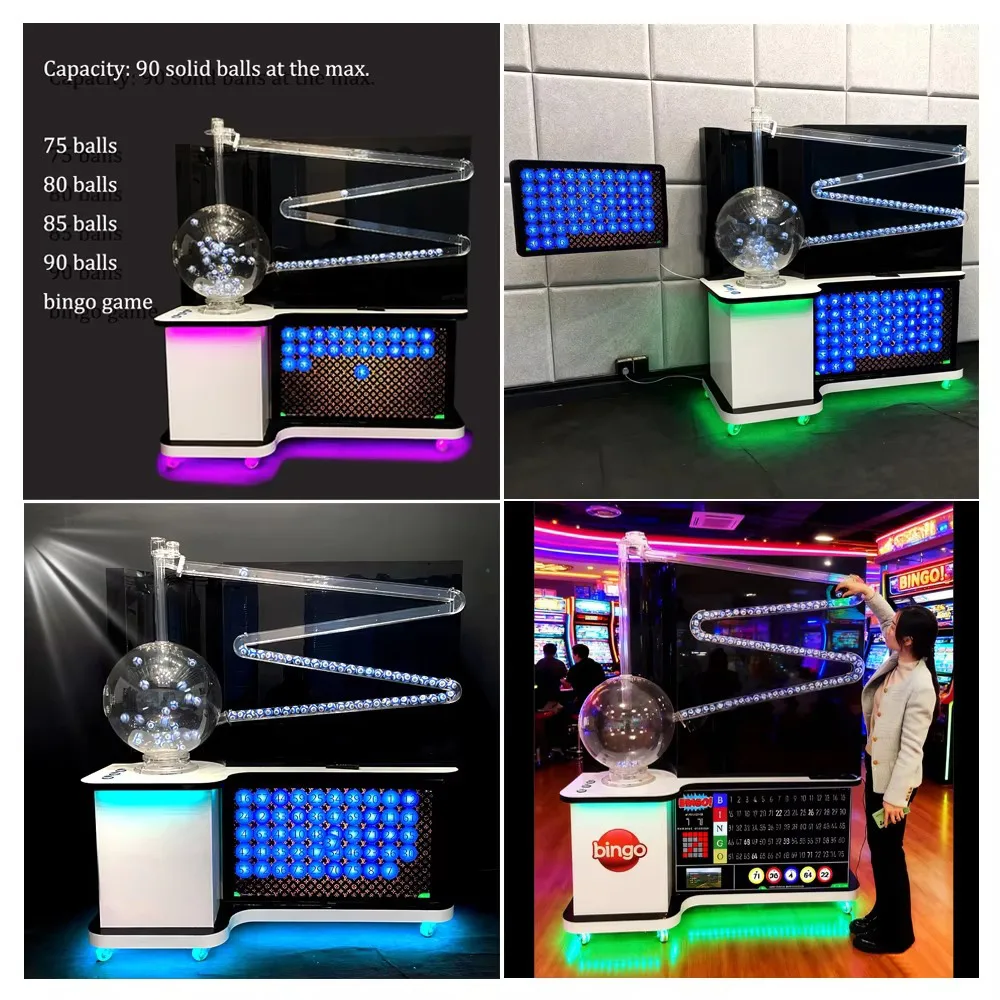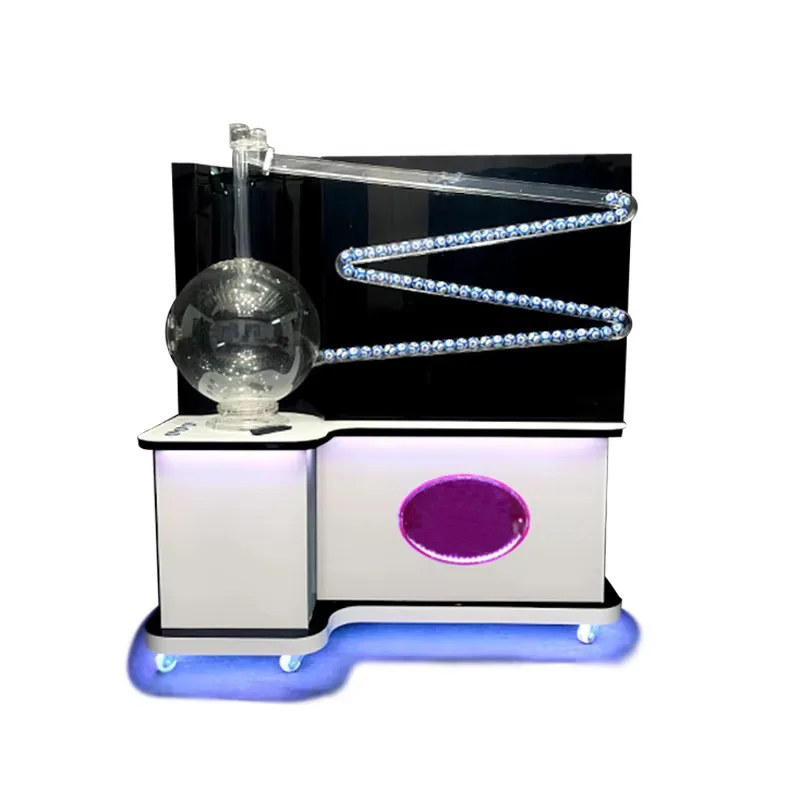
1P75 Bingo Ball Machine with Physical Result Track
Model: 1P75 Manual Calling
A bingo machine mixes numbered balls, separates one for the draw and presents it for checking and calling. Choose manual calling or electronic reading according to how your operator will verify and publish each result.
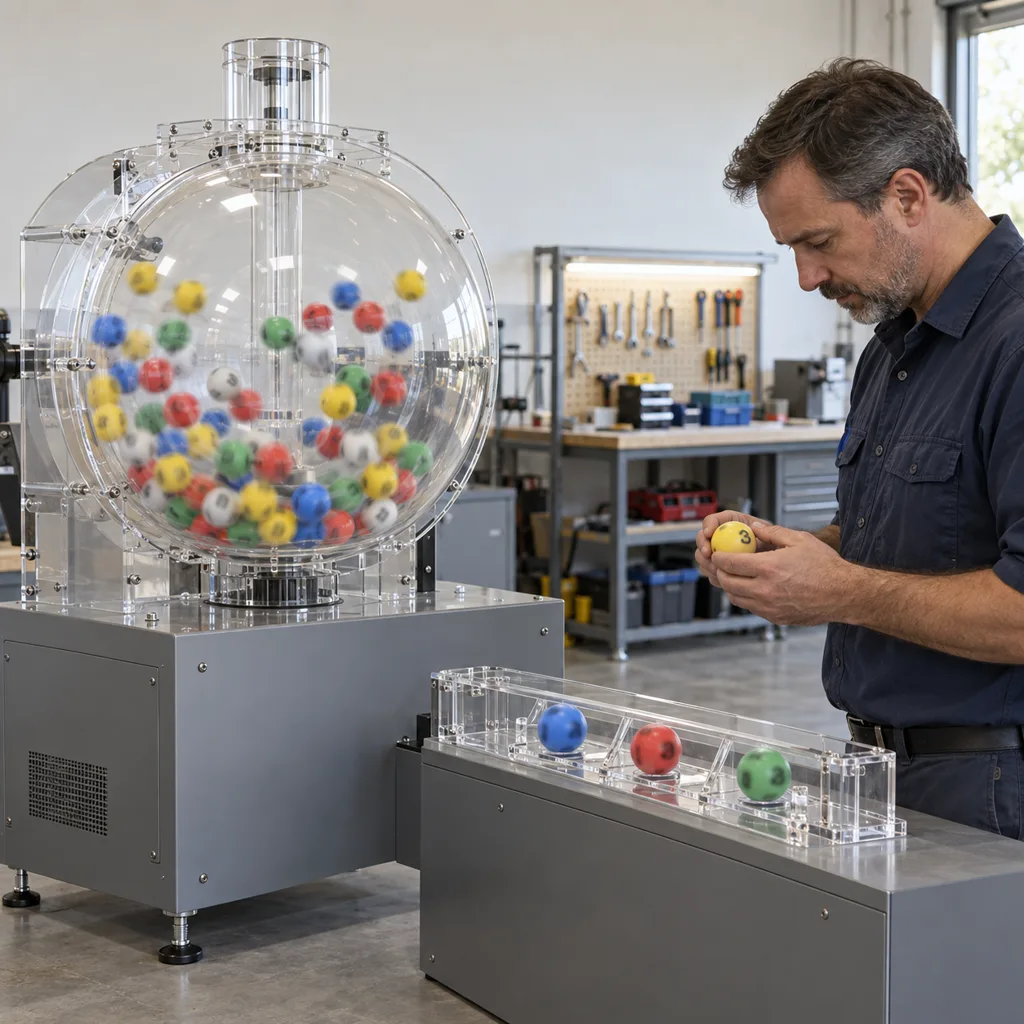
A bingo machine works by mixing a prepared pool of numbered balls, separating one ball and presenting its number for checking and calling. Air movement, selection, reading and display perform different jobs. When we help buyers choose equipment, the main decision is whether the caller will read each physical ball or use an electronic reader alongside physical verification.
| Function | What it does | Operator consideration |
|---|---|---|
| Air movement | The blower supplies airflow inside the chamber. | Prepare the intended ball set before starting. |
| Mixing | Moving air circulates the selection pool. | Keep drawn balls outside the remaining pool. |
| One-ball selection | A separate arrangement presents one ball for inspection. | Define when each selection begins. |
| Caller verification | The caller checks the physical ball against the announced result. | Allow time to inspect and announce it. |
| Display | A physical track or digital board presents results. | A screen alone does not identify balls. |
| Reset | The operator restores the pool and clears previous results. | Account for physical balls and electronic records separately. |
A bingo blower machine is a numbered-ball draw machine that uses moving air to circulate balls inside a chamber. The blower supplies airflow; the chamber and ball characteristics influence how the balls move. Mixing keeps the selection pool in motion, while a separate selection arrangement makes a ball available for the draw. Those functions need separate consideration. Our 1P75 Manual Calling and 1P75 RFID models both use air-blown mixing, but they handle number reading differently. Visible movement helps the audience follow the draw; it does not establish certified randomness. We start with the intended operating routine, because an impressive mixing display cannot tell you how the caller checks a result.
The operator prepares the selection pool by checking that the intended numbered set is complete, identifiable and ready to load, with no balls left in the previous round’s result area. The selection pool means all balls eligible for the current draw. Preparation matters before the blower starts. We ask buyers which number set they use, how often they run sessions and who handles setup between rounds. Our 1P75 Manual Calling model supports ordered setups for 75, 80, 85 or 90 balls; the ordered setup determines the equipment arrangement. A sensible operating procedure also establishes where unused balls stay and how staff distinguish a completed round from a machine awaiting preparation.
One-ball selection requires a controlled route from the mixing chamber to a position where the selected ball can be inspected. Air circulation alone does not complete that task. Conventional engineering options include a pickup passage or a gated outlet, with the arrangement matched to the ball and chamber design. These are possible custom design approaches, not a statement of the supplied mechanism on a particular Jisun model. We ask whether the operator should initiate each selection and when the next draw may begin. The workflow should leave time to identify the ball, announce it and retain it outside the remaining pool. Buyers should specify that sequence separately from their preferred cabinet appearance.
The caller checks the selected ball’s identity and confirms that the announced result matches the physical ball. Reading and checking are separate actions: reading identifies the number; checking reconciles that identity with the result being recorded or displayed. Our 1P75 Manual Calling machine uses caller-read balls and a long transparent track for physical ball viewing. RFID is a separate requested upgrade on that model. For a buyer whose operator can comfortably inspect and announce every ball, this manual workflow may be sufficient. One practical detail deserves attention: the result area must be easy for the caller to inspect from the intended working position, rather than merely visible to the audience.
A digital number board presents results; automatic identification requires a reading system and compatible balls. A screen alone establishes neither. RFID, or radio-frequency identification, is a method of identifying compatible tagged objects through radio signals. Our 1P75 RFID machine provides RFID number reading with compatible tagged balls, together with a physical result track and digital number board. That model supplies evidence for both reading and presentation. We still discuss how the caller will compare the physical ball with the electronic result before announcing it. For a custom workflow, an operator confirmation step is a proposed control option; its behavior should be defined in the quotation rather than assumed from the presence of a display.
Resetting means restoring the equipment and ball pool to the agreed starting condition for the next round. The operator accounts for the drawn balls, returns them through the intended loading procedure and checks that the result area is clear. Where electronic results are used, the operating procedure also needs a defined way to clear the previous round’s displayed record. Clearing a screen does not physically return balls. We discuss these tasks separately when specifying a custom control sequence. On the 1P75 Manual Calling model, the transparent physical result track provides a place to view drawn balls; its presence does not establish an automatic return function. Plan the reset around the actual supplied arrangement.
Choose manual calling when a caller can inspect each ball and maintain the required pace; consider electronic reading when your workflow needs identified results passed into a digital presentation system. We ask about audience sightlines, session frequency and the time available between calls. Then we establish ball count and diameter, cabinet space, control responsibilities and installation conditions. Our 1P75 Manual Calling model provides caller-read results, while our 1P75 RFID model provides reading with compatible tagged balls. Neither description should be transferred to the other model. Start with our Bingo Machines range and compare the complete operator sequence, from loading through reset, before selecting the cabinet.
Tell us your ball set, draw sequence, audience viewing needs, available installation space and preferred calling method, then request a quote for a Jisun bingo machine or a custom configuration built around your workflow.
Use the model photos, available demonstrations and specification sheets to check the equipment discussed above. Specifications apply to each named model.