← Arcade Machine Manufacturer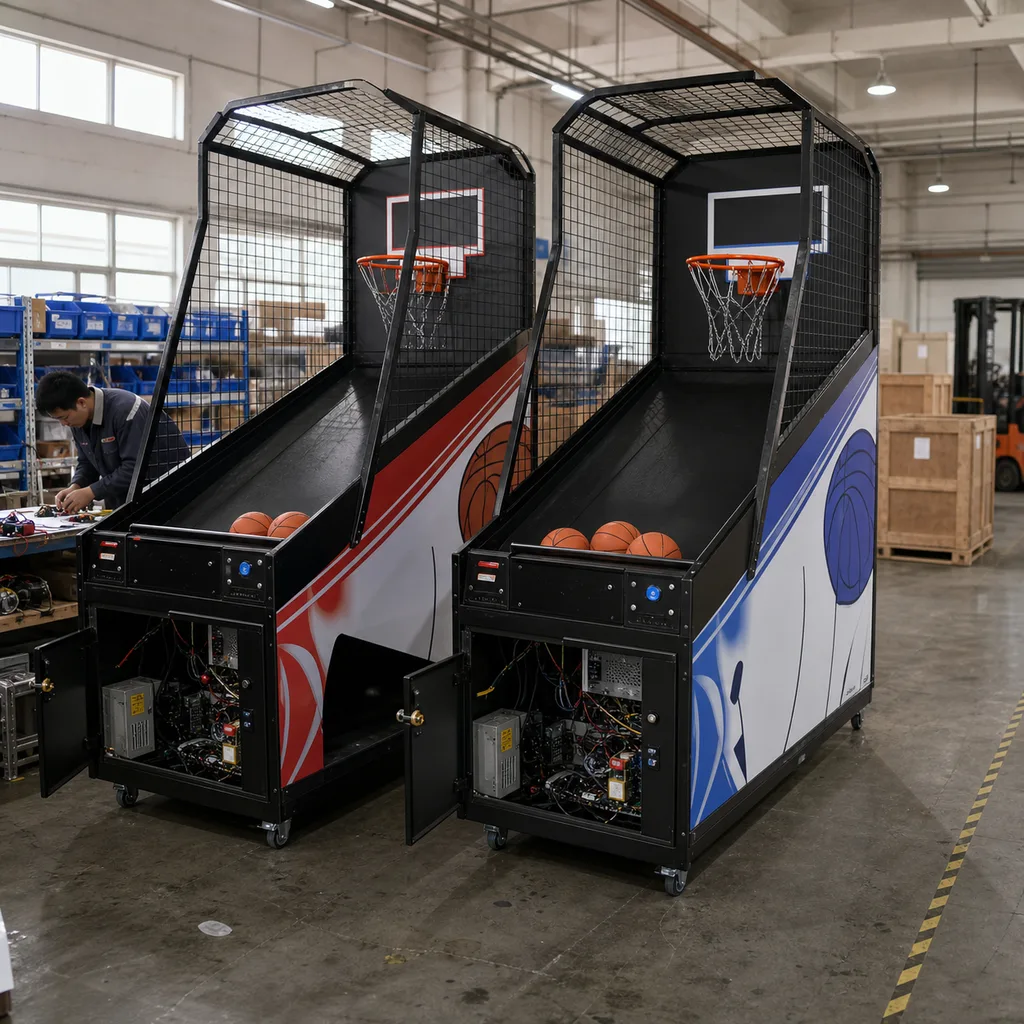
The acceptance record should identify the sensor arrangement and software version used.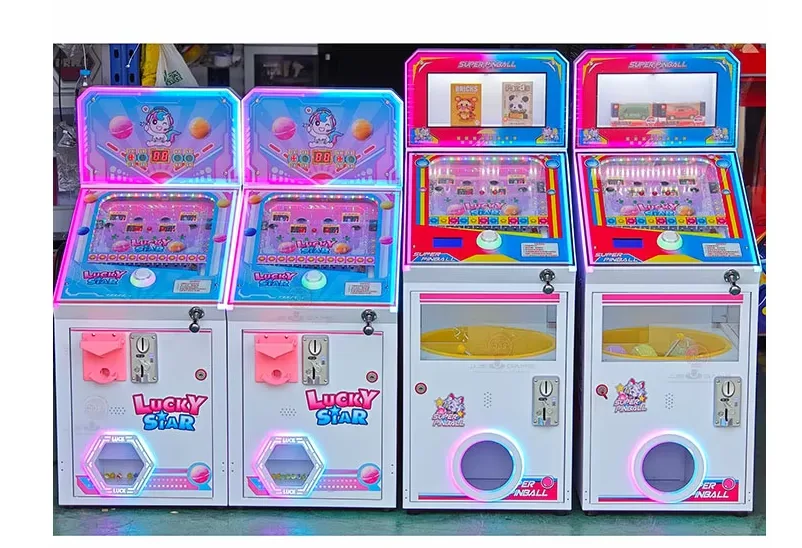
Custom Basketball Arcade Machine: Development and Acceptance Guide
A custom basketball arcade project needs an agreed ball, hoop, return path, scoring method and player layout before a reliable quotation can be prepared. This guide describes a development brief; it does not identify a validated Jisun basketball model with fixed dimensions or performance. Use the following decisions to define what the prototype must demonstrate.
Written by Jisun Product Team
Which player task should the basketball game provide?
Choose a timed shooting round, a fixed number of balls or another clearly described challenge. Define whether the hoop remains fixed and whether the basket value changes during the round. A moving hoop adds mechanical travel and protection requirements, so it should be priced separately from cabinet artwork. Decide what happens to a shot released just before time expires but detected afterward. The visible instructions should match that rule. If two lanes compete, establish whether they start together, use equivalent settings and finish independently or wait for both players. These choices determine controls and scoring before exterior styling is finalized.
What belongs in the ball and return specification?
Provide actual ball samples or the proposed diameter, material and mass for review. Describe the expected number of balls circulating and how the player retrieves them at the return deck. The return path needs to handle normal rebound, a slow ball and an obstruction without inviting a hand into a moving or inaccessible area. Specify containment around the hoop and sides so missed shots remain within the intended play area. No universal ball count or launch rate is implied here. Test the selected balls against the finished return geometry rather than adopting capacity or power figures from an unrelated lottery cabinet.
How should a basket be counted?
The sensing design should recognize a valid passage through the hoop and reject a rebound, repeated sensor activation or an object held in the scoring area. Define direction and timing conditions in the proposed control logic. Ask for a test that shows the physical shot and the displayed score together.
| Test situation | Decision to agree |
|---|---|
| Clean basket | One accepted score at the configured value |
| Ball bouncing near the sensor | No repeated score for the same basket |
| Late shot | Apply the published end-of-round rule |
| Sensor unavailable | Stop or flag the affected round rather than invent a result |
How should the player and delivery layout be reviewed?
Draw the stance area, throwing movement, spectator line and ball-retrieval reach alongside the cabinet envelope. A low return deck may help one audience and be awkward for another, so use the intended player profile. Check the highest structural point and how the enclosure reaches its final location through doors and lifts. A detachable hoop frame or net support changes assembly and inspection steps. Request a packed-module plan separately from the operating drawing. The final electrical supply, anchoring or leveling arrangement and structural details must follow the selected design and destination requirements rather than a generic arcade specification.
What should a prototype and service review include?
Run the full session using the selected balls and approved scoring profile. Include missed shots, slow returns, a blocked return path, a sensor fault and restart before a result is finalized. For linked lanes, verify both lane identities and their response to a disconnected partner. Ask a technician to demonstrate access to scoring sensors and the deepest return segment with the equipment isolated as required. Record what can be replaced locally and what settings need rechecking afterward. A proposed acceptance checklist is not a record that these tests have already been performed; the project must generate that evidence on its actual prototype.
How can buyers compare custom basketball proposals?
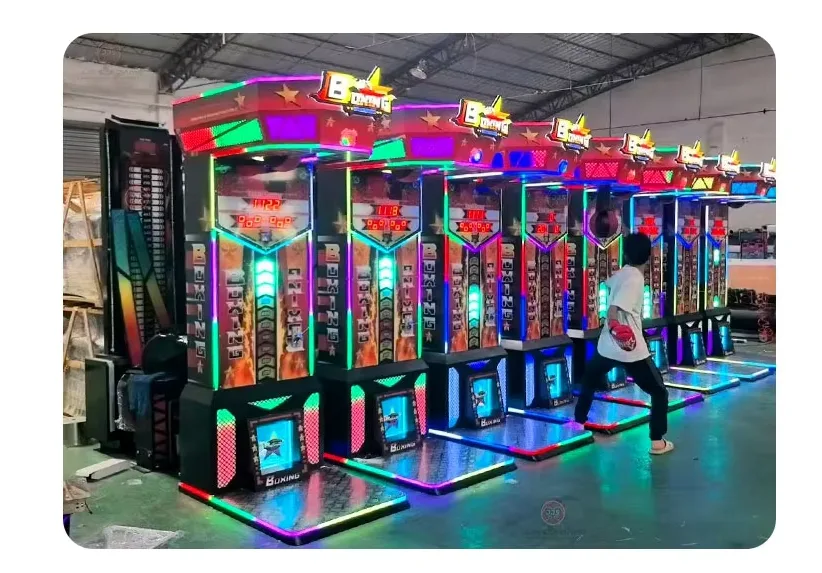
Separate industrial design, mechanical development, controls, payment integration, prototype work, documentation, packing and repeat production. Compare the same game rules and acceptance cases across offers; a low base-cabinet quote may exclude the ball-return or linked-score work that defines the project. Request a revision process for changes discovered during sampling and an agreed point at which the production configuration is frozen. Existing Boxing Machine and Super Pinball Machine can illustrate other physical arcade formats, but their ratings are not basketball specifications. To request a quote, send the player profile, ball proposal, floor plan, game rules and required acceptance sequence for a basketball-specific feasibility review.
Equipment Discussed in This Guide
Use the model photos, available demonstrations and specification sheets to check the equipment discussed above. Specifications apply to each named model.
Frequently Asked Questions
- Is a fixed basketball model specified in this guide?
- No. This is a custom development brief. Dimensions, ball capacity, power and commercial terms need a basketball-specific proposal and prototype evidence.
- What should happen to a shot detected after the timer ends?
- Agree and display the late-shot rule before development. Test that exact case with the selected sensor and software version.
- Can another arcade model’s voltage and packing data be used?
- No. The basketball structure, controller and shipment modules need their own approved electrical and packed specifications.
Related Buying Guides
Arcade Machine CE Documentation: Supplier and Importer Checks
For a Europe-bound arcade order, review conformity evidence against the exact machine and its installed options. This guide explains purchasing checks; it does not certify a Jisun product or assume one document covers the entire catalog. Resolve model identity, electrical version, instructions and changes before accepting the configuration.
Arcade Equipment for an FEC: Plan Zones and Opening Readiness
An FEC equipment plan should assign each game a role in the floor layout and an owner for daily operation. Start with guest movement, player reach, queues and staff access, then select the actual cabinets. A varied catalog is useful only when the opening team can operate, refill and service the resulting mix.
Arcade Machine Manufacturer: Verify Production and Service Responsibility
A wholesale arcade manufacturer should be able to connect the quoted model to its production configuration, acceptance evidence and replacement parts. A factory label alone does not settle who owns the game controller, payment integration or after-sales response. Compare those responsibilities before deciding whether a supplier can support your distribution program.