← Arcade Machine Manufacturer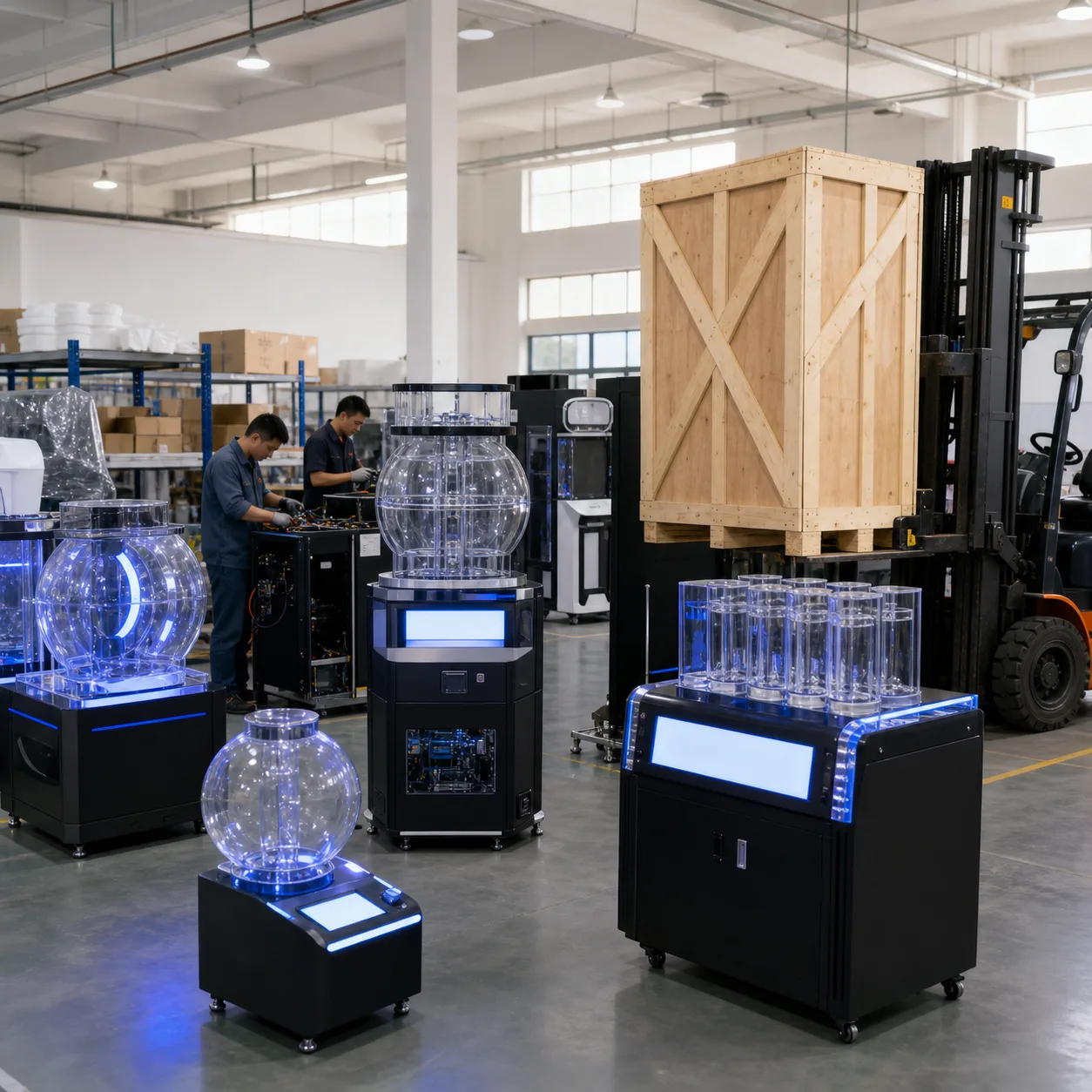
Name an owner for unresolved integration issues rather than letting each party demonstrate only its own device.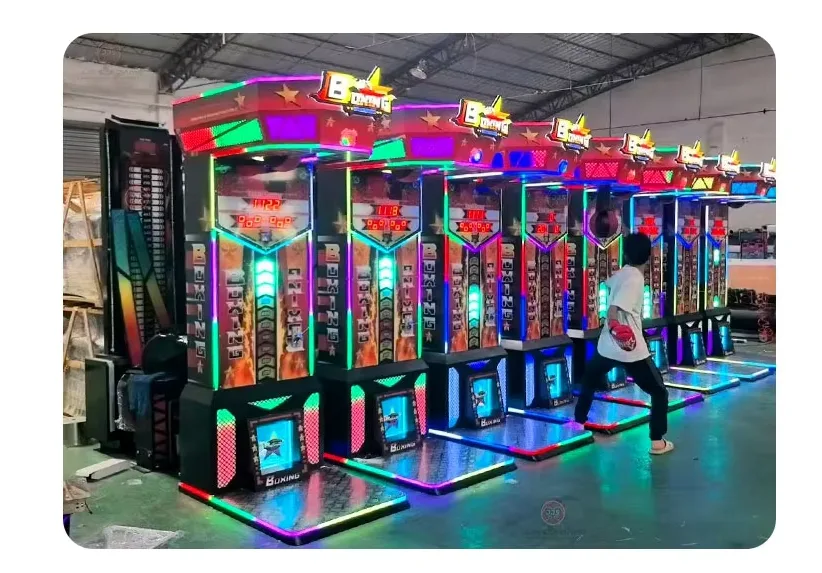
Arcade Machine Manufacturer: Verify Production and Service Responsibility
A wholesale arcade manufacturer should be able to connect the quoted model to its production configuration, acceptance evidence and replacement parts. A factory label alone does not settle who owns the game controller, payment integration or after-sales response. Compare those responsibilities before deciding whether a supplier can support your distribution program.
Written by Jisun Product Team
What evidence links the offered machine to production?
Ask for the model identity, current configuration sheet and a continuous demonstration of the offered version. The same cabinet appearance can contain different controllers, payment devices or game software. Request an explanation of what the supplier manufactures, assembles, purchases and integrates. An assembly photograph supports a visible manufacturing activity; it does not establish ownership of every component or software system. Where the order depends on a particular capability, such as a revised prize mechanism, ask for a demonstration of that capability on the relevant build. Keep the evidence associated with a dated model revision rather than treating a general factory tour as product acceptance.
How should different arcade families be evaluated?
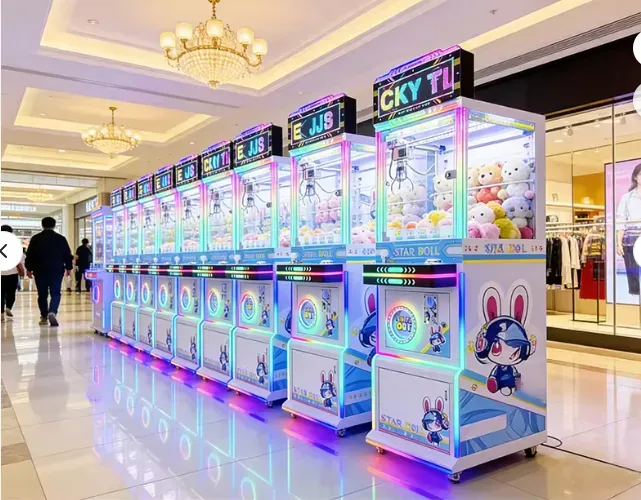
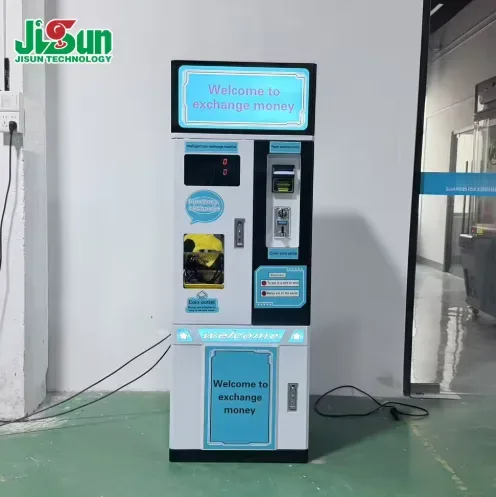
Use a mechanism-specific check for each family. Mini Claw Machine needs prize pickup, travel and chute review with the intended plush. Boxing Machine needs target readiness, score response and the selected reward configuration. Self-Service Coin Exchange Machine requires payment acceptance and confirmed exchange output. These examples show why one generic powered-on video cannot validate an entire wholesale catalog. A supplier may be suitable for a standard cabinet order but need a separate development phase for a new mechanism. Distinguish a stocked component, a published model option and a proposed custom function when comparing offers.
Who should own the interfaces between components?
Write down the responsibility for every boundary that can stop customer play. The reader supplier may configure payment authorization while the cabinet supplier handles the start input. The local installer may prepare power and network access. Someone must still verify the complete transaction on the selected machine.
| Boundary | Agreement needed |
|---|---|
| Payment to game | Who supplies the harness, configures credits and verifies a failed start? |
| Game to reward | Who defines the score rule and confirms one completed settlement? |
| Software to replacement parts | Who checks compatibility when a controller or sensor changes? |
| Factory to local service | Who supplies diagnostic instructions and approves replacement actions? |
What should be frozen before repeat production?
Approve the model revision, visible artwork, controller and software version, payment interface, power label, prize or play mechanism and supplied accessories. Separate permitted cosmetic changes from functional substitutions. A different sensor or motor may need another acceptance check even when the cabinet still looks identical. Ask how a later batch can be traced to its components and how service staff identify the right replacement part. Keep the accepted sample record available to both purchasing and technical teams. The goal is repeatable configuration, not an unsupported claim that all future units are identical regardless of component availability.
How can a distributor assess after-sales usefulness?
Send a sample fault report during supplier evaluation: model and serial identity, symptom, when it occurs, photos of the relevant label and a short video where safe. Assess whether the response identifies a next diagnostic step and the information needed, rather than merely promising support. Ask which parts are serviceable locally, what training or documentation accompanies them, and how warranty coverage, labor, freight and consumables are treated in the written terms. Do not infer a universal warranty from one product page. A low unit price can be difficult to support if the local team cannot identify or obtain the correct module.
How should the final supplier comparison be decided?
Use pass, unresolved and unsuitable decisions for requirements that determine whether the equipment can operate at your sites. Price comparisons belong after the offers describe equivalent versions and responsibilities. A direct manufacturer and a local distributor may offer different service scopes; compare the work each actually undertakes. Preserve unresolved integration and documentation items in the order rather than deleting them from the comparison to make one offer appear complete. For a defined wholesale proposal, request a quote with the machine families, expected quantities, destination sites, local service capability and the acceptance evidence you need. Jisun can then separate standard supply, integration and custom development in the discussion.
Equipment Discussed in This Guide
Use the model photos, available demonstrations and specification sheets to check the equipment discussed above. Specifications apply to each named model.
Frequently Asked Questions
- Does a factory tour prove compatibility with our card system?
- No. It supports only the activities observed. Compatibility needs the actual reader, cabinet interface and complete payment-to-play test.
- What should a repeat-order revision identify?
- Identify the approved cabinet, control hardware, software, payment interface, electrical version and functional parts so later substitutions can be assessed.
- How can we evaluate technical support before a wholesale order?
- Use a model-specific sample fault report and assess the diagnostic steps, parts identification and responsibilities offered in response.
Related Buying Guides
Arcade Machine CE Documentation: Supplier and Importer Checks
For a Europe-bound arcade order, review conformity evidence against the exact machine and its installed options. This guide explains purchasing checks; it does not certify a Jisun product or assume one document covers the entire catalog. Resolve model identity, electrical version, instructions and changes before accepting the configuration.
Custom Basketball Arcade Machine: Development and Acceptance Guide
A custom basketball arcade project needs an agreed ball, hoop, return path, scoring method and player layout before a reliable quotation can be prepared. This guide describes a development brief; it does not identify a validated Jisun basketball model with fixed dimensions or performance. Use the following decisions to define what the prototype must demonstrate.
Arcade Equipment for an FEC: Plan Zones and Opening Readiness
An FEC equipment plan should assign each game a role in the floor layout and an owner for daily operation. Start with guest movement, player reach, queues and staff access, then select the actual cabinets. A varied catalog is useful only when the opening team can operate, refill and service the resulting mix.