Concept / Customizable Design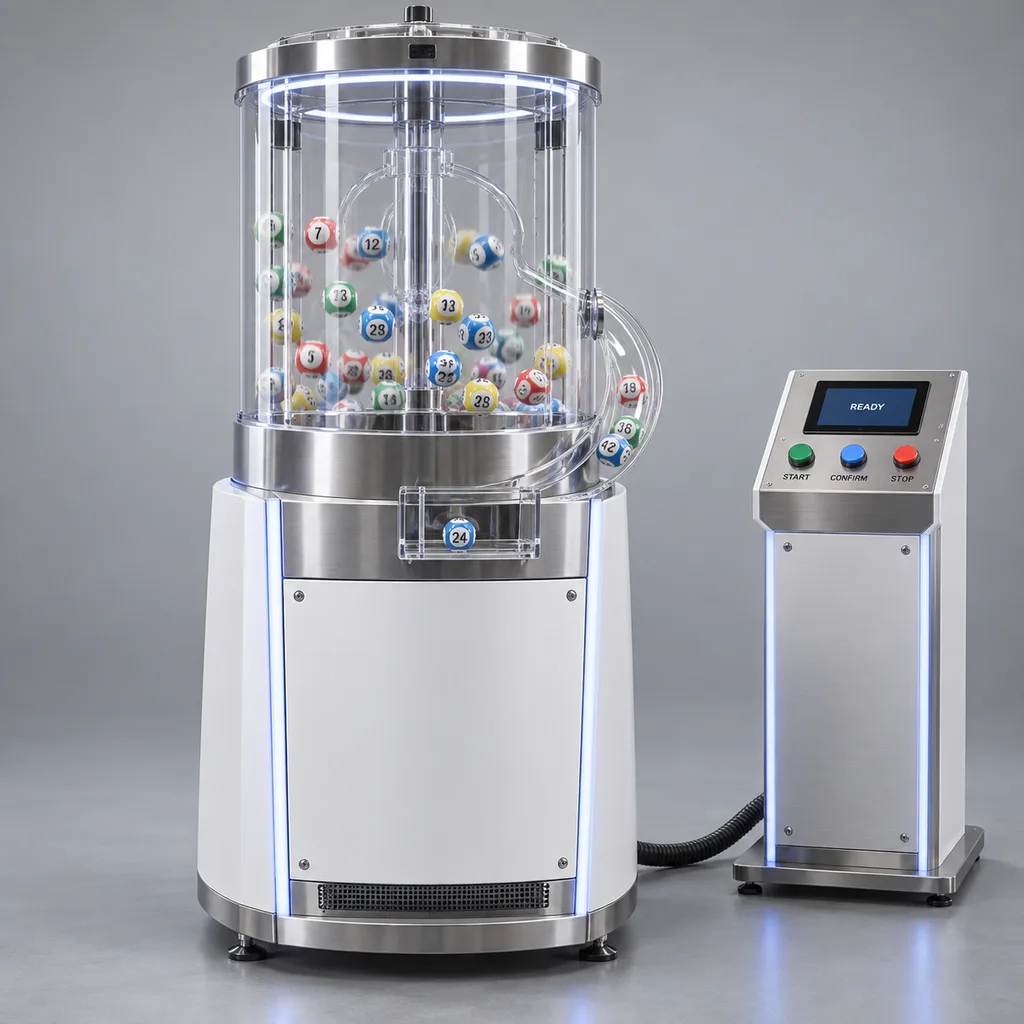
Category: Lottery Ball & Draw Machines
Off-Camera Single-Result Lottery Draw Concept
Concept design — fully customizable. Contact us to make it real.
- ✓One-result presentation tray proposed for announce-and-confirm rounds
- ✓Separate ready, draw, confirmation and reset steps in the operating brief
- ✓Different handling paths defined for replacement and non-replacement rules
- ✓Existing P350 and YP6002 comparisons before specifying a new cabinet
Concept design — fully customizable. Contact us to make it real. The illustration shows a proposed arrangement, not a completed machine or an approved engineering drawing.
Why choose one result at a time?
This concept serves a presenter announcing one winner, checking that result and clearing the presentation position before continuing. The illustration proposes a cylindrical chamber, a curved transparent transfer path and a small front result tray beside a separate control pedestal. It is intended for a close view of a single physical ball. Choose it when a long retained-results row is unnecessary and the production team values a simple, repeatable reveal. A compact-looking illustration is not evidence of a particular cabinet footprint, ball count or portability; those values need a project drawing.
How would the presenter and operator coordinate?
The proposed sequence separates ready, draw, confirm and reset. The operator checks the loaded pool and clear tray, then indicates readiness to the presenter. After the draw, the presenter reads the ball and the agreed second person or camera view confirms it. Only then is the tray cleared or the ball returned according to the rules. Controls outside the frame allow the front view to remain clear; they do not select the winning number. Define which person is allowed to issue each command so an early reset cannot remove a result before announcement. Any permission or interlock behavior is a requirement to validate, not an existing feature proved by the illustration.
Which ball-return rule belongs in the brief?
For selection with replacement, the confirmed ball may re-enter the working set before another draw. For selection without replacement, it must be retained outside that set even if the front presentation tray is cleared. Those workflows may look similar to a viewer but require different ball handling. State the desired rule before specifying a return tube. Include what happens after an unreadable ball, an extra ball in the tray or loss of power. A manual procedure can be appropriate for an attended event, provided the operator can show where every accepted and unaccepted ball is placed.
Could an existing cabinet meet the need first?
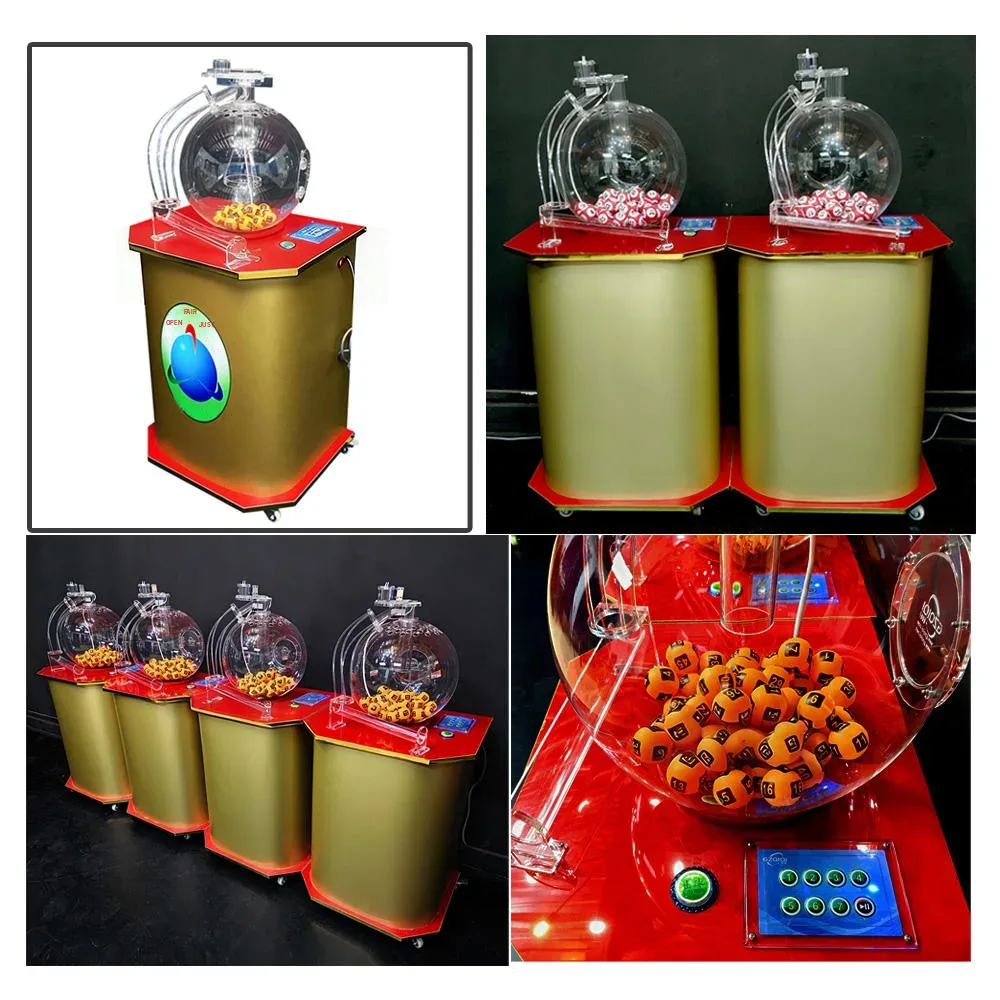
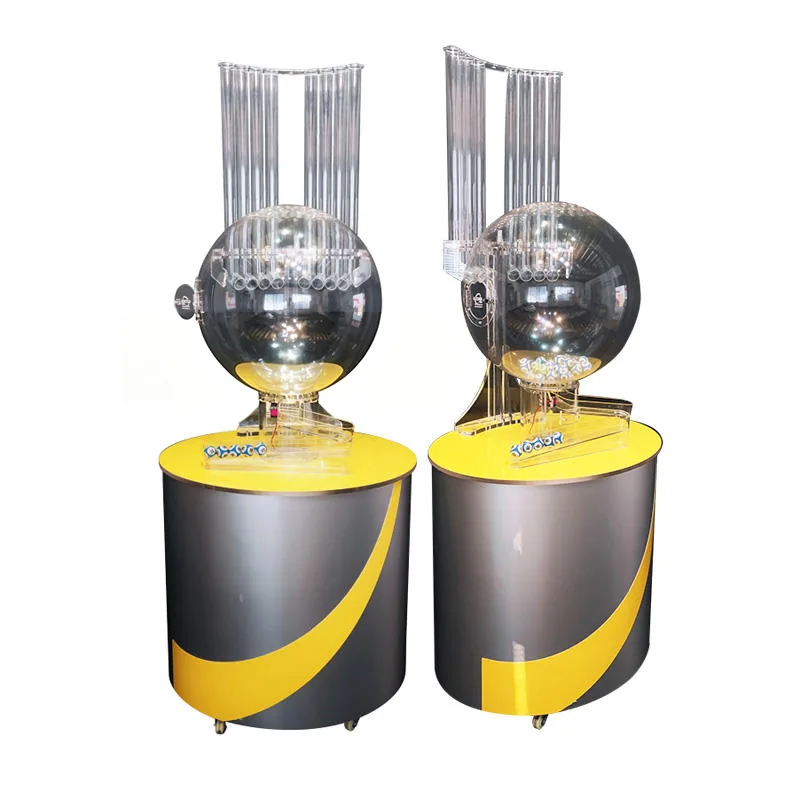
Use P350 Compact 50-Ball Ping Pong Lottery Machine as an existing compact comparison: its record lists 50 ping-pong balls, 40 mm diameter, a 10-second ball cycle and dimensions of 57 × 53 × 120 cm. Those specifications belong to P350, not this proposed cabinet. If the required pool is larger, YP6002 Air-Blown Lotto Ball Drawing Machine lists a working quantity of 30–300 balls and automatic or interactive operation, with the selected ball construction matched to its configuration. Review the real model photos and available demonstrations below. Request a separate-console modification only if the chosen model’s existing operating position cannot support the intended presentation.
What should a camera and workflow rehearsal establish?
Before approving the cabinet direction, supply the lens position, view height, host position and the place where the result will be read. Rehearse a light and dark numbered ball under the actual lighting direction to check glare and numeral visibility. Require a continuous view from mixing through arrival at the result position; an attractive close-up after the ball arrives does not show the whole operation. Include a complete draw, confirmation, removal and reset in the demonstration brief. The acceptance record should identify whether the final ball set and operating rules were used, and list any remaining custom interface questions.
Send the ball pool, replacement rule and camera arrangement to request a quote for single-result presentation with separate operator controls.
What Should Be Confirmed Before Engineering?
Who This Concept Is For
- Presenters announcing one result at a time
- Production teams planning a close view of a single numbered ball
Configuration Directions
- Single front presentation tray
- Separate pedestal for operator commands
- Manual removal or validated ball-return path
- Camera-facing numeral presentation as a design target
Operator and Site Requirements
- Confirm the tray is clear before readiness
- Keep the accepted ball visible through announcement
- Prevent reset before confirmation
- Record any interruption and follow the agreed ball-handling rule
Inputs We Need From the Buyer
- Working pool and ball type
- Replacement rule and retained-ball location if applicable
- Presenter confirmation and reset responsibility
- Camera position and lighting direction
- Operator location and site supply
Existing Equipment to Compare
These photos and demonstrations show the existing models cited above. They do not show a completed version of this concept; each model keeps its own specifications.
Customization Questions
- Does clearing the tray mean the ball returns to the mixing pool?
- Not necessarily. A without-replacement draw needs a separate retained-ball location. A with-replacement draw can return the confirmed ball according to the agreed sequence.
- Does off-camera control hide the ball-selection process?
- The proposed layout moves the operator position, while the chamber, transfer path and result position should remain visible. Control placement must not be used as outcome selection.
- Is P350’s 50-ball specification the capacity of this concept?
- No. It is an existing-model comparison. The concept’s own pool, ball construction, tray and transfer path must be specified together.