Concept / Customizable Design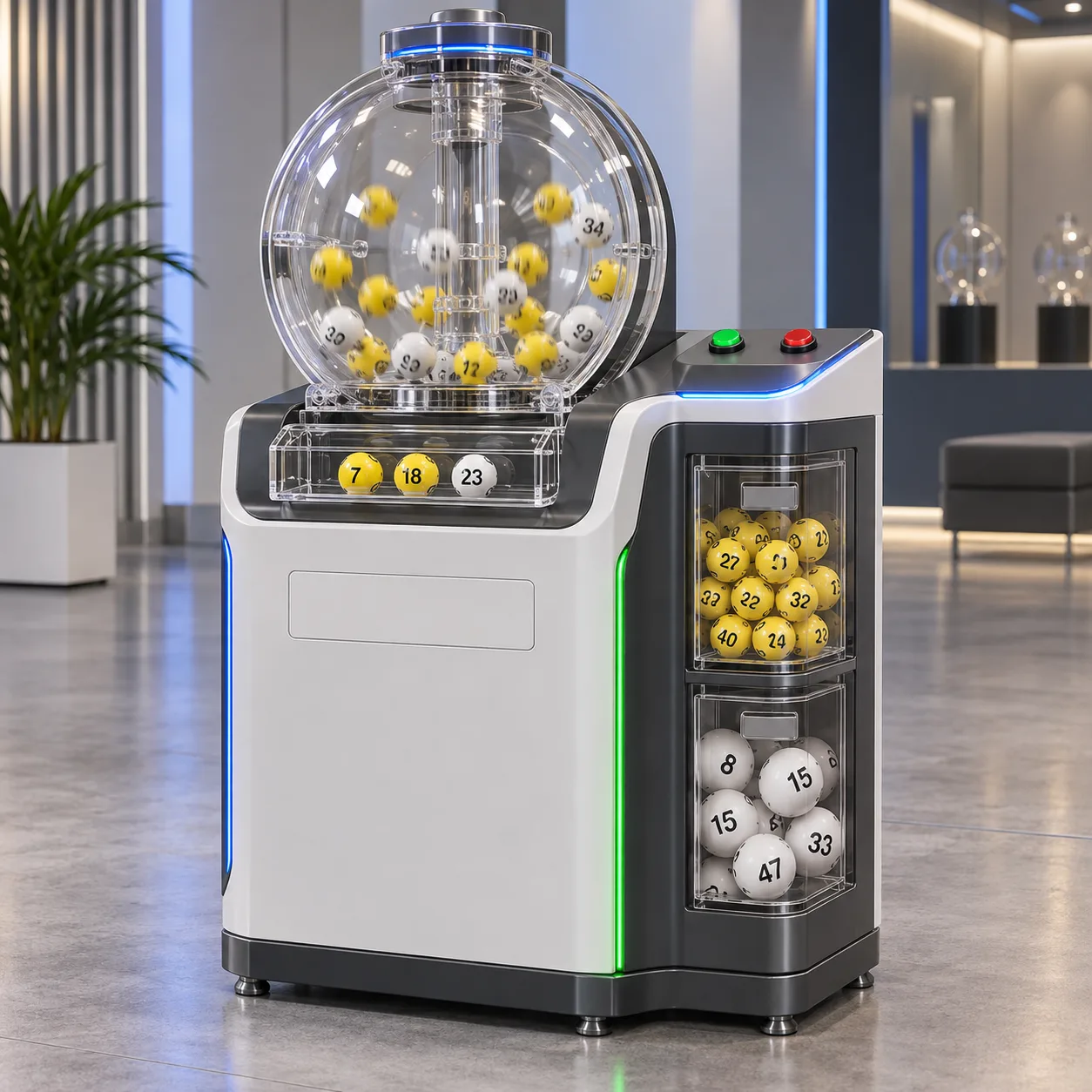
Category: Lottery Ball & Draw Machines
GaugeNest Ball-Set Lottery Draw Machine
Concept design — fully customizable. Contact us to make it real.
- ✓Visible air-mix lottery draw chamber with a front result tray for host confirmation
- ✓Integrated side ball-set nest proposed for labeled storage and cleaner setup workflow
- ✓Cabinet concept supports 40 mm or 50 mm planning discussions after engineering review
- ✓Optional retained-result row for multi-round prize draws before reset
- ✓Service-friendly area can be reserved for screen, RFID or manual confirmation layouts
Designed for buyers managing several numbered ball sets
The GaugeNest Ball-Set Lottery Draw Machine is a concept for draw operations teams, retail promotion departments and reusable event-equipment owners who need a physical lottery draw machine but also need better control over ball-set preparation. The operating problem is simple: a draw may use 40 mm balls for one promotion, 50 mm balls for another game format, or separate color-coded sets for main and bonus rounds. If storage, loading and result confirmation are handled as loose accessories, staff can spend more time checking balls than running the draw.
This concept keeps the lottery draw machine central. The visible mechanism is a transparent air-mix chamber on a compact pedestal, with a front result tray and a side “ball-set nest” built into the cabinet. The nest is not a claim of universal compatibility. It is a proposed cabinet area with labeled compartments, removable ball trays and a simple sizing reference zone so operators can keep the selected set grouped before loading. Final chamber geometry, air path, ball material, ball diameter and result tray shape would be engineered around the buyer’s actual ball set and draw workflow.
Visible draw path and organized reset workflow
The proposed machine layout uses a clear upper chamber for audience-facing mixing, a front release point for the selected numbered ball, and a result position that can be viewed by the host before reset. For a single-winner retail draw, the operator could load the confirmed ball set from the side nest, close the access door, start the draw from the control panel, announce the visible result, then return the ball according to the chosen replacement rule. For multi-round prize draws, the result tray can be designed as a retained row so several selected balls remain visible until staff confirm the round is complete.
Operator controls are intentionally restrained: start, stop, reset and optional confirmation controls can be placed on the top deck or on a small side console. Remote start/stop can be explored as a custom option, but it means controlling the sequence, not choosing a predetermined winning number. If the buyer needs RFID reading or a screen output, the cabinet can reserve an accessible service area for reader placement and display wiring, subject to ball-reader compatibility and validated interface requirements.
How it differs from existing Jisun equipment
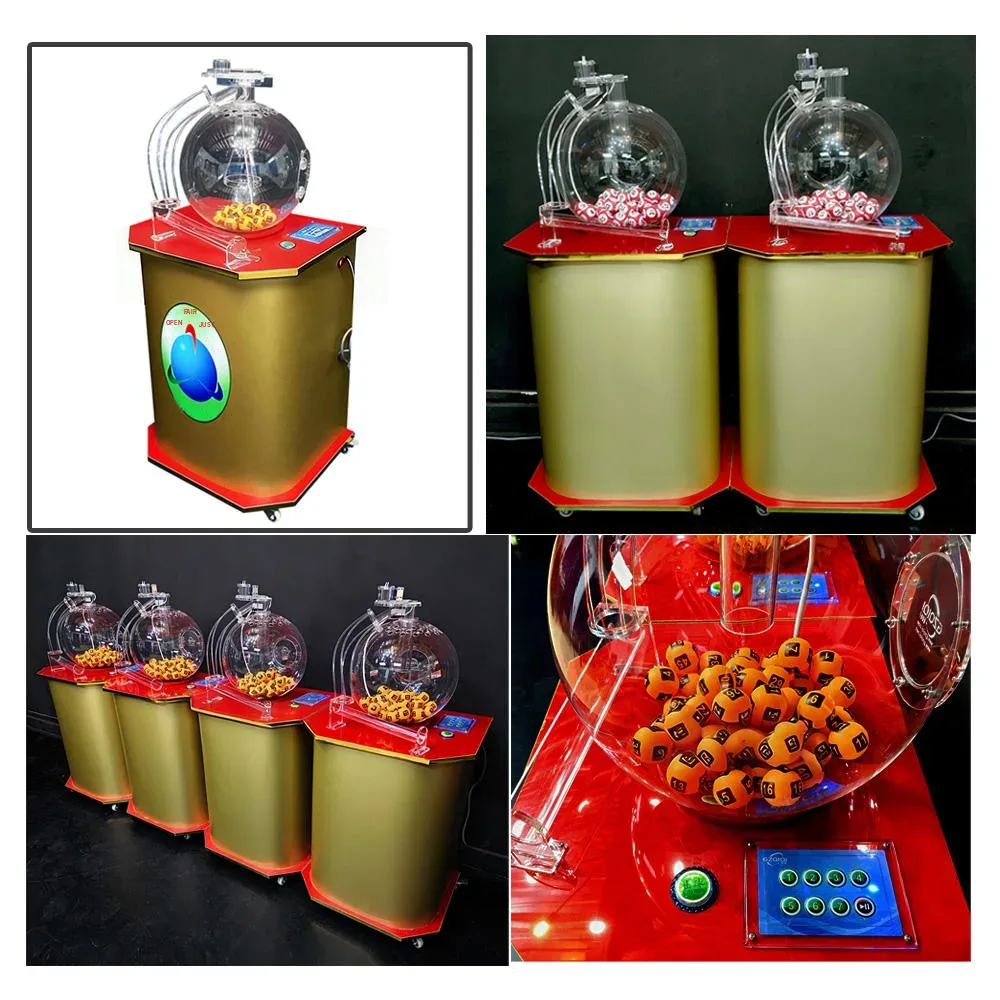
Jisun’s P350 Compact 50-Ball Ping Pong Lottery Machine is a practical reference when the buyer wants a compact 40 mm, 50-ball air-mixing unit with a simple cabinet and visible acrylic sphere. If the operating team only needs one fixed ball size and a straightforward draw, an existing compact model may be sufficient. Jisun’s YP800 49-Ball Lotto Machine is a useful comparison when 5 cm balls, a larger pedestal format and 6+1 style lotto presentation are closer to the game requirement.
GaugeNest is different because the concept starts from ball-set handling rather than only chamber capacity. The design direction is for teams that repeatedly prepare, count, swap and store different numbered sets while still wanting a recognizable lottery ball machine on camera or in front of spectators. The concept does not use paper-ticket raffle drums, capsule dispensers or software-only random selection. It is for physical numbered balls where visible mixing, staged result presentation and repeatable staff workflow matter.
Inputs needed before engineering validation
Before quotation, Jisun would need the buyer’s ball diameter, ball material, total pool, number of winners per round, whether balls return after each selection, and the audience viewing direction. Space planning also matters: cabinet width, door access, service clearance, screen position, operator side and power standard should be confirmed before the concept is converted into a buildable configuration. Branding panels, lighting color, tray layout, storage-compartment count and optional reader/display areas are all adjustable design directions, not fixed specifications.
What Should Be Confirmed Before Engineering?
Who This Concept Is For
- Retail promotion teams running repeated in-store numbered-ball draws
- Event production companies buying reusable draw equipment for corporate prize rounds
- Draw operations managers who manage multiple ball sets and reset sequences
- Studio producers needing a visible chamber, readable result area and tidy operator side
Configuration Directions
- Custom option: ball-set nest with removable labeled trays for the selected ball diameter
- Custom option: single-result cup or retained-result row depending on the prize-round workflow
- Custom option: top-deck controls or a small side console for host-operated start and reset
- Custom option: front brand panel, restrained LED trim and cabinet color matched to the buyer’s venue
- Custom option: manual reading, screen display area or RFID reader bay subject to ball compatibility
- Custom option: chamber and result-tray proportions designed around 40 mm, 50 mm or buyer-specified balls
Operator and Site Requirements
- Confirm indoor floor space, doorway route and service clearance before setting cabinet dimensions
- Use one matched numbered ball set per validated configuration unless engineering approves alternatives
- Define whether drawn balls return immediately, stay retained, or are removed until the round ends
- Provide a clean operator side for loading, result confirmation and reset access
- Confirm local power standard and intended screen or reader placement before quotation
Inputs We Need From the Buyer
- Ball diameter, ball material and numbering style
- Total ball pool and number of balls drawn per round
- Replacement rule: return after each draw, retain until round end, or remove from pool
- Required result visibility: host only, audience front view, or camera-facing view
- Preferred cabinet footprint, doorway limits and operator position
- Need for manual reading, screen output, RFID or other result confirmation method
- Branding artwork area, cabinet color direction and lighting preference
Existing Equipment to Compare
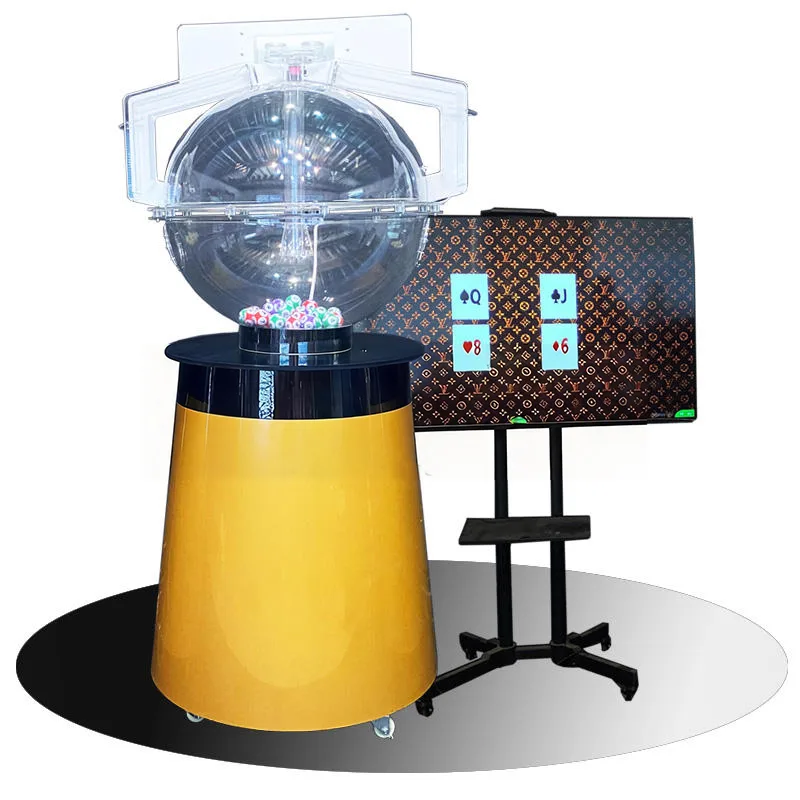
These photos and demonstrations show the existing models cited above. They do not show a completed version of this concept; each model keeps its own specifications.
Customization Questions
- How does the GaugeNest side ball-set nest change the setup routine?
- It gives the operator a proposed cabinet area for labeled trays, so the selected numbered ball set can be counted, staged and loaded from one side instead of being handled as loose accessories.
- Can this concept be planned around 40 mm and 50 mm lottery balls?
- Yes, those are reasonable planning cases, but the final chamber, tray and storage geometry must be engineered around the buyer’s actual ball diameter, material and ball count.
- When would an existing compact lottery machine be enough instead?
- If the buyer uses one fixed 40 mm ball set and only needs a simple visible draw, an existing compact model such as the P350 may be a better starting point than this storage-focused concept.
- Does the optional reader bay mean RFID is included?
- No. The reader bay is only a proposed service-access area. RFID or screen output would be quoted as a configuration after ball-reader compatibility and result workflow are defined.